+62 811-2577-878
 NEWSLETTER



The wet season, also known as the monsoon season, is a time of lush landscapes, refreshing rain, and vibrant growth. However, for businesses involved in shipping and logistics, the wet season can bring about challenges that require a proactive approach to protect valuable cargo from moisture damage. In this article, we’ll explore the importance of keeping goods dry during the wet season and introduce a valuable ally in this battle – desiccants. We’ll also recommend using the Humitrap desiccant as a proactive solution to prevent moisture damage.
The Wet Season: A Challenge for Trade Routes
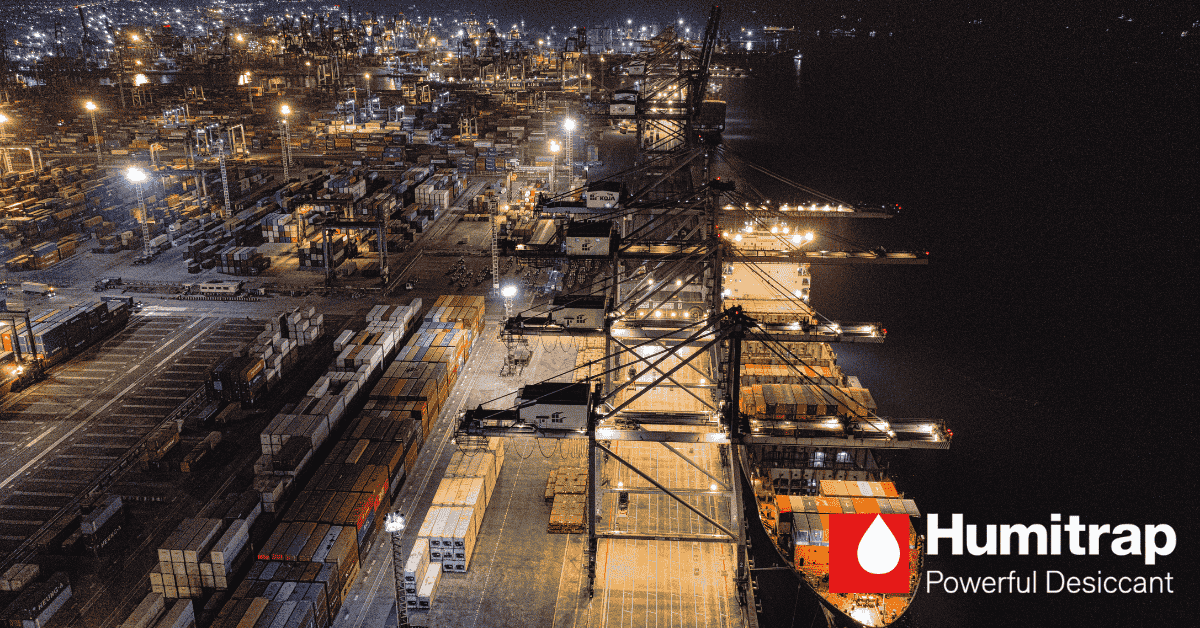
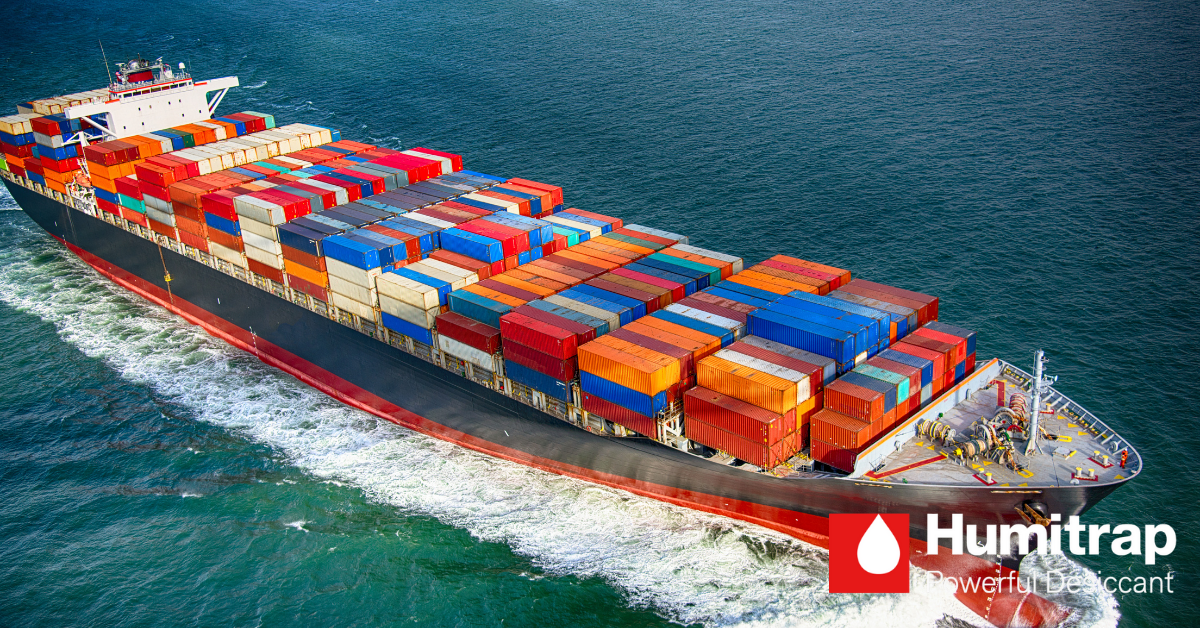
The monsoon season is a natural phenomenon that brings heavy rainfall to various parts of the world, especially in regions like Southeast Asia and South America. The rains are vital for agriculture and ecosystem health but can be a major concern for businesses relying on trade routes, particularly those involving sea freight. Some of the world’s busiest trade routes are affected by these heavy rains, and this poses a significant challenge for businesses and their cargo.

Across Trade Routes, Moisture Travels Too
The Monsoon Season Equals More Moisture Damage
For businesses engaged in the shipping and logistics industry, the wet season equates to a higher risk of moisture damage. Moisture damage can have far-reaching consequences, from financial losses to damage to the reputation of the business. During the wet season, it’s crucial to be proactive and take the necessary steps to safeguard your cargo against moisture damage.
A Handy Checklist for the Wet Season
To help you navigate the challenges of the wet season and keep your goods dry, we’ve compiled a handy checklist based on our experience:
1. Ensure Dry Loading
Before loading your cargo into containers, make sure the container itself is dry. Any moisture present inside the container can affect your cargo. Take the time to inspect and dry the container thoroughly.
2. Dry Packaging Material
Your cargo isn’t the only thing that needs to be dry; your pallets and packaging materials should also be free from moisture. Wet packaging materials can transfer moisture to your cargo, leading to damage.
3. Inspect Container Condition
Check the container for any signs of damage or leaks. A damaged container can allow moisture to seep in, jeopardizing your cargo’s integrity.
4. Close Vents If Not Needed
Some cargo doesn’t require ventilation. If your cargo is of a type that doesn’t need to “breathe,” consider closing the vents to prevent rain and humidity from entering the container.
5. Use the Right Amount of Desiccants
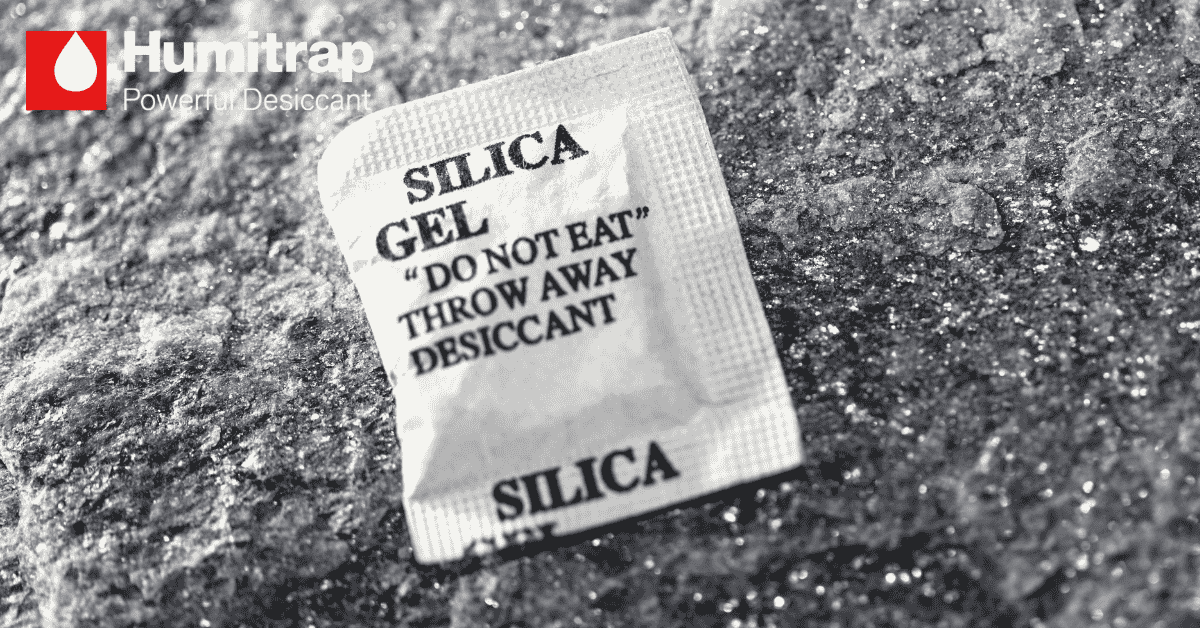
Desiccants are your best friends during the wet season. These moisture-absorbing agents can help maintain a dry environment within your containers. Ensure you use the right amount of desiccants based on the container size and the humidity levels of your cargo.
6. Proper Installation of Desiccants
Placing desiccants in containers is not enough. They need to be installed correctly to be effective. Follow the manufacturer’s guidelines for proper placement to ensure maximum moisture absorption.
7. Consult the Experts
When in doubt, don’t hesitate to seek guidance from experts. We, as experienced professionals in the field, are here to help you make informed decisions about moisture protection for your cargo. Don’t risk moisture damage; consult with us for tailored solutions.
Why the Wet Season Can Result Damage to Your Shipments
The wet season can result damage to goods in transit, especially during international sea shipments. High humidity, constant rainfall, and fluctuating temperatures often cause condensation inside shipping containers. When warm air inside the container cools, it releases moisture that condenses on surfaces—commonly known as container rain. This hidden moisture seeps into packaging and materials, potentially ruining the cargo before it even reaches its destination.
Products like furniture, textiles, electronics, and food are especially vulnerable. The wet season can result damage in the form of mold, mildew, corrosion, and unpleasant odors, leading to rejected shipments, customer complaints, and significant financial losses. To prevent this, exporters must take proactive steps such as using moisture-proof packaging and high-performance desiccants like Humitrap, which locks in excess humidity and keeps goods safe during the entire journey.
Protect Your Cargo with Humitrap Desiccant
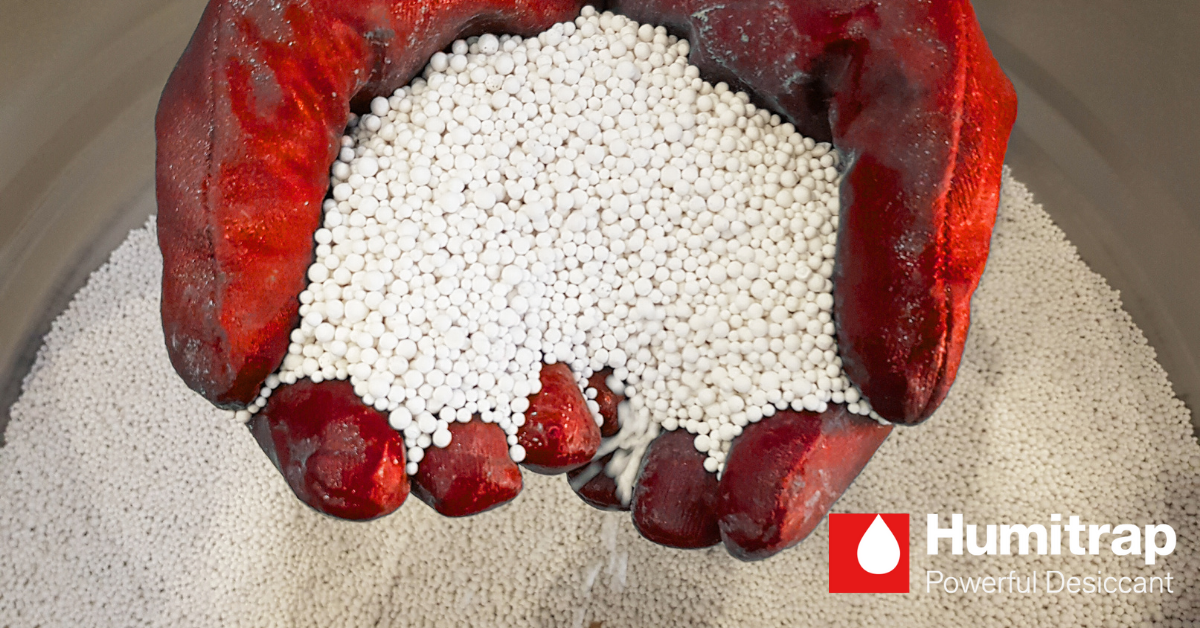
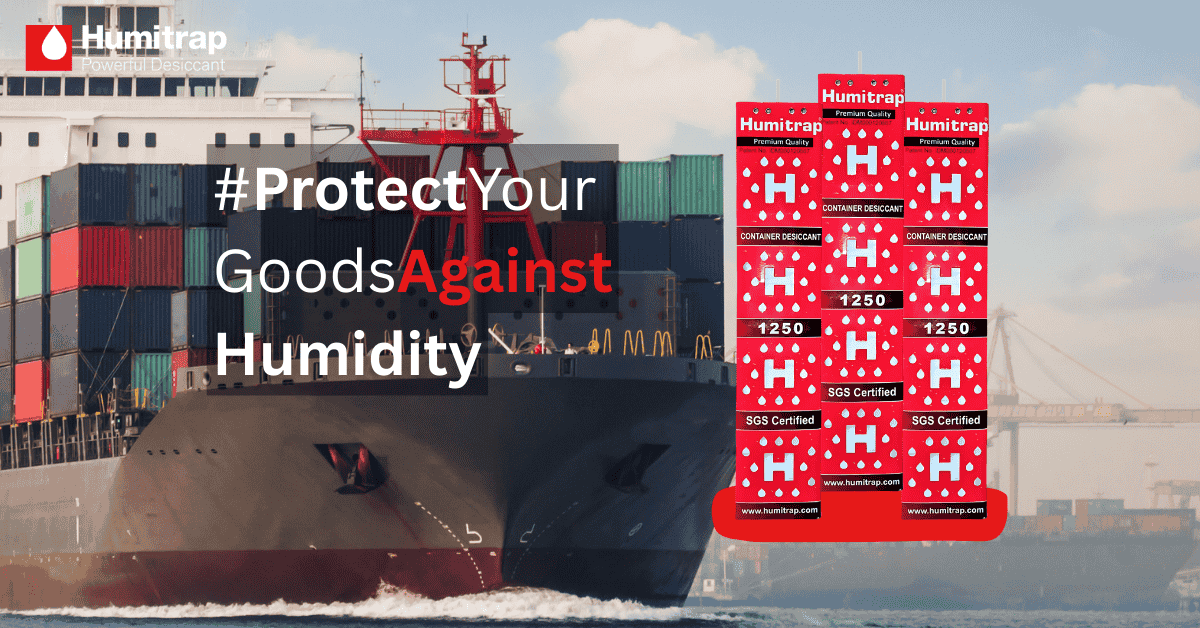
In the battle against moisture damage during the wet season, Humitrap desiccants emerge as a dependable and effective solution. Designed to absorb and trap moisture effectively, Humitrap desiccants offer superior protection for your goods. By using Humitrap, you can prevent moisture-related damage and maintain the quality of your cargo.
Wet Season is Coming, Are You Ready?
The monsoon season brings both the beauty of nature and the challenges of moisture damage for businesses involved in trade and logistics. However, with a proactive approach and the right tools, you can keep your goods dry and ensure a safe journey for your cargo. Follow our handy checklist to safeguard your shipments during the wet season and, most importantly, consider using Humitrap desiccants for enhanced moisture protection. Your cargo deserves the best care, even during the wettest times. humitrap.com
Further reading
Scrivens, G., et al. (2018). The humidity exposure of packaged products. The Humidity Exposure of Packaged Products, 105–146. https://doi.org/10.1016/b978-0-12-802786-8.00005-x