+62 811-2577-878
 NEWSLETTER




Introduction
This article is part of our complete guide to humidity in Indonesia, where we explore how moisture levels affect life and logistics across the country.
Whether you’re shipping electronics, storing textiles, or monitoring cargo in transit, understanding humidity in Jakarta is more than a climate curiosity. It is a business necessity. Known for its tropical heat and dense population, Jakarta combines high temperatures with persistently high relative humidity levels throughout the year. For foreign exporters and importers, ignoring this factor can lead to serious losses.
This article breaks down what you need to know, and what tools such as temperature and humidity sensors, humidity tests, and moisture absorbing packets can help you stay ahead.
1. What Is Humidity in Jakarta Really Like?
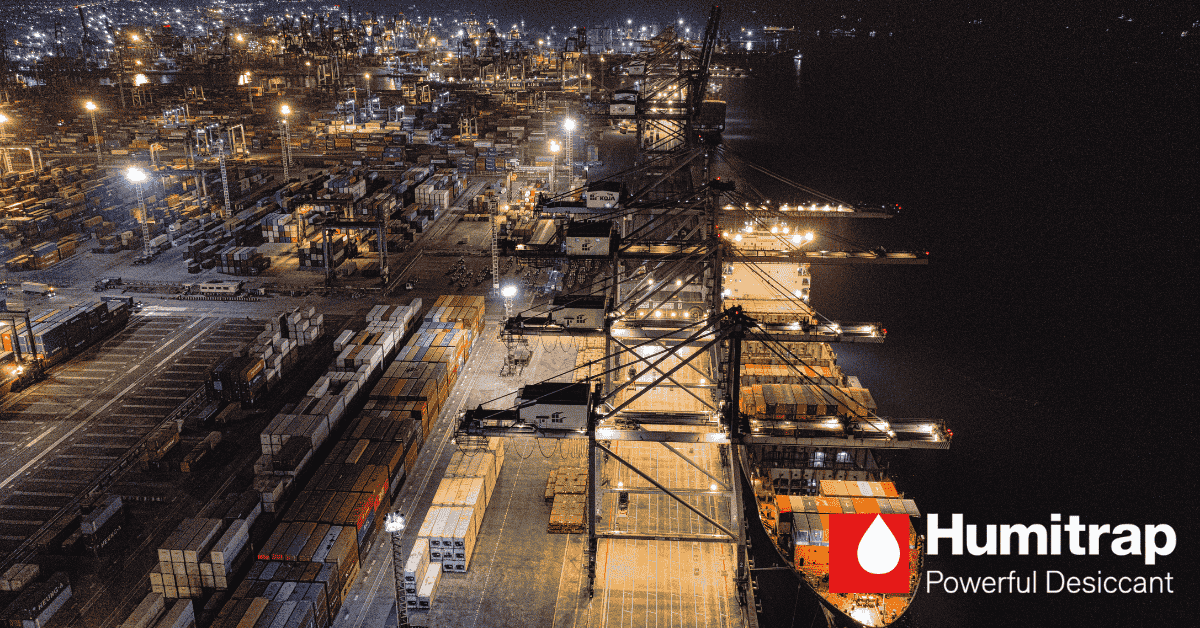
Jakarta, the capital of Indonesia, is located right on the equator. As a result, it experiences consistent humidity in Jakarta that often ranges between 75 and 90 percent year-round. This level of humidity is not just uncomfortable, it is aggressive, especially toward goods in storage or during transit.

Monitoring the environment with temperature and humidity sensors helps prevent moisture-related damage in tropical climates.
Why does this matter? Unlike climates in cities such as Los Angeles or Chicago where humidity levels vary, the consistent humidity in Jakarta creates a chronic exposure risk. This is especially true for:
-
Electronics and precision machinery
-
Paper-based goods and packaging
-
Agricultural products like coffee, cocoa, and spices
-
Fabrics and leather goods
For businesses involved in international trade, particularly those managing shipments to or from Indonesia, this means proactive planning is essential.
2. The Hidden Risks for Exporters and Importers
As someone who has lived and worked in Jakarta for a long time, I can say this with confidence — humidity here is something we learn to live with, but for exporters and importers, it can be more than just an inconvenience. It can quietly affect your products and bottom line in ways that are easy to overlook.
Humidity in Jakarta stays high almost all year round. It doesn’t fluctuate much, so the exposure to moisture is constant. This creates a unique challenge, especially if you’re shipping sensitive goods or storing them locally for a period of time.
Here are some of the most common issues that I’ve seen:
-
Corrosion
Metals, circuit boards, and even heavy machinery can start corroding faster than you might expect. Long transit times, especially on sea routes, only make the risk worse. -
Mold and mildew
Packaging made from paper, textiles, or anything organic can easily attract mold in a humid environment. Even goods that appear clean when they leave can arrive with unpleasant surprises. -
Weak or collapsed packaging
Cardboard boxes tend to absorb moisture and lose their strength. This can compromise the stability of your cargo and make handling more difficult during transit or delivery.
If you are managing storage or shipments in or through Jakarta, I would highly recommend doing regular humidity tests in your warehouses, containers, or even during inspection before departure. These tests are simple to conduct, but they can help identify early signs of trouble that might not be visible yet.
From my experience, it’s better to take small preventive steps rather than deal with the cost of damaged cargo or customer complaints later. Jakarta’s humidity is a constant factor, so the more you know and prepare for it, the smoother your operations will run.
3. Tools That Make a Difference
You cannot eliminate humidity in Jakarta, but you can manage its effects using proper tools. The following are essential:
✅ Temperature and Humidity Sensors
Install temperature and humidity sensors in storage areas, containers, or warehouses. These devices continuously log data and alert teams when humidity reaches unsafe levels.
-
Choose wireless or smart sensors that allow remote monitoring
-
Use data logs to support quality assurance or claims
-
These tools are especially useful for electronics and pharmaceuticals
✅ Moisture Absorbing Packets
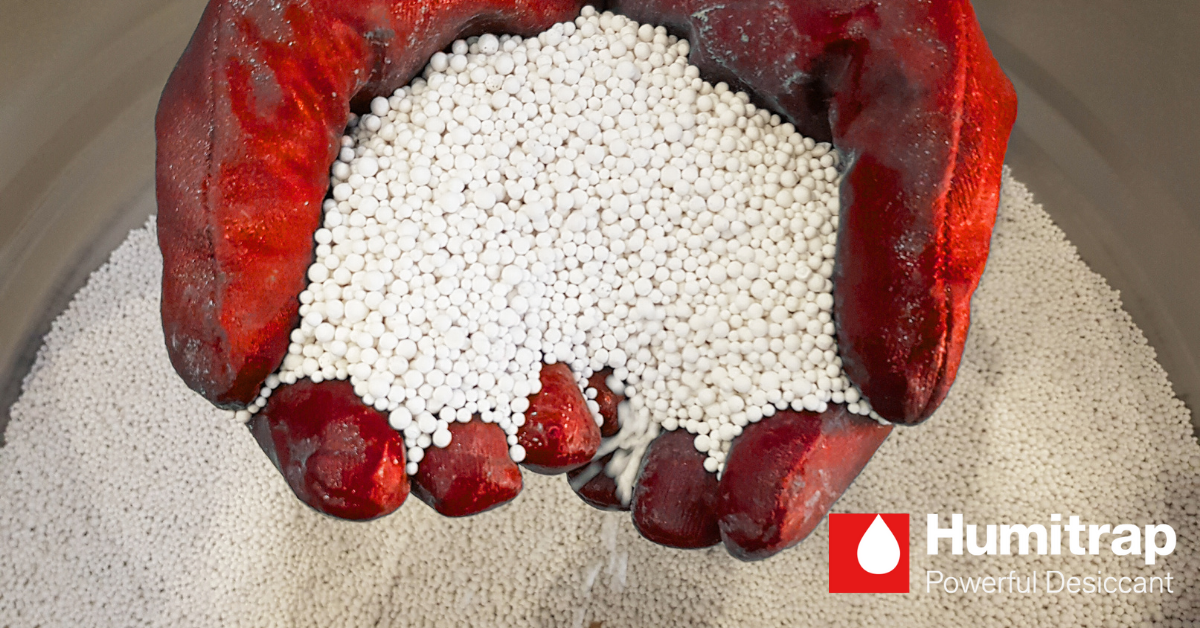
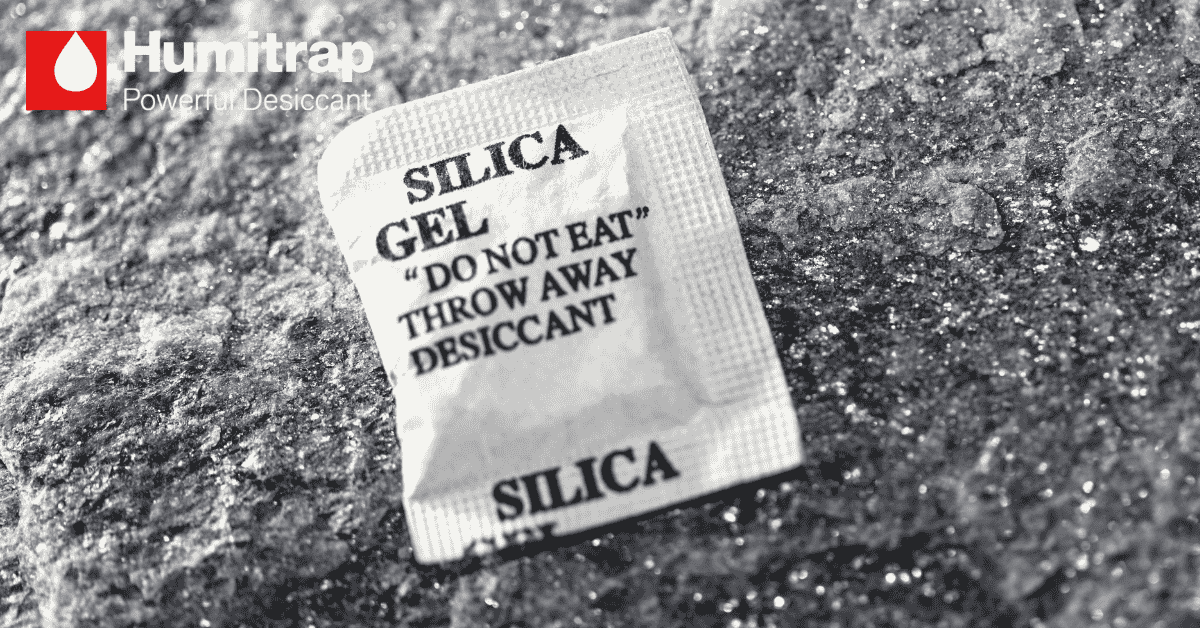
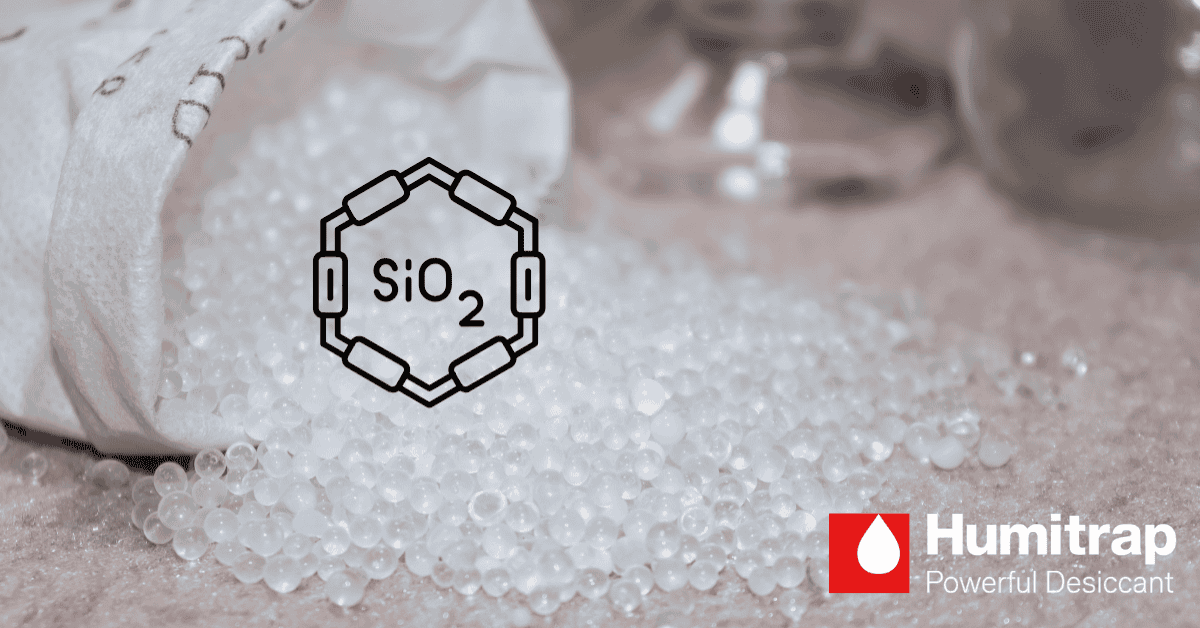
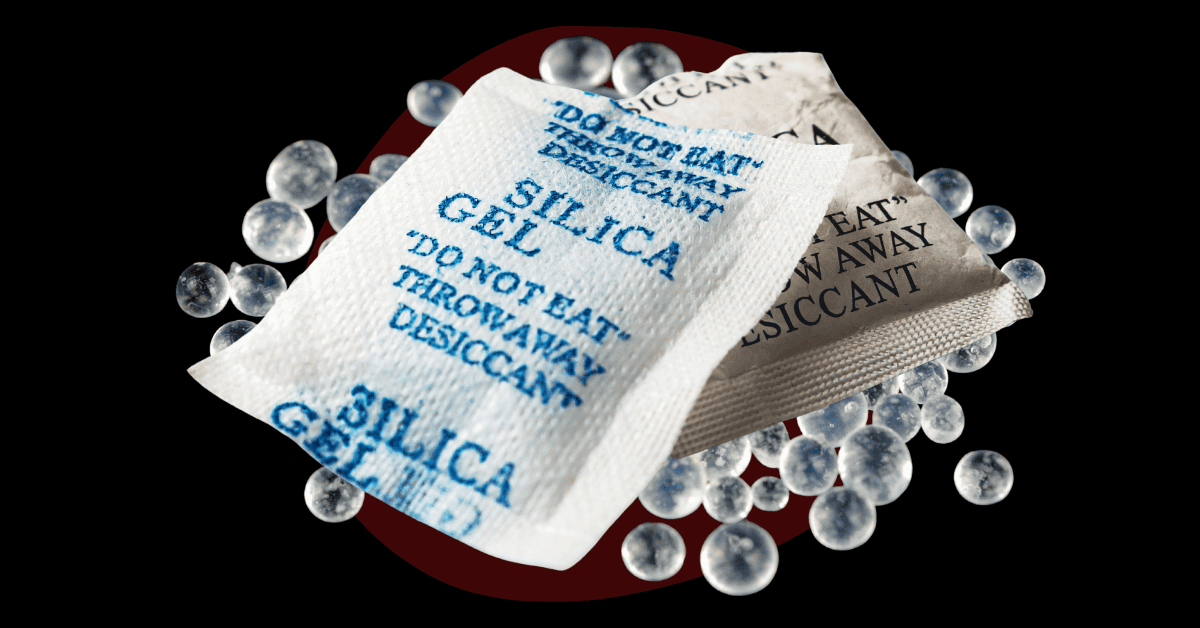
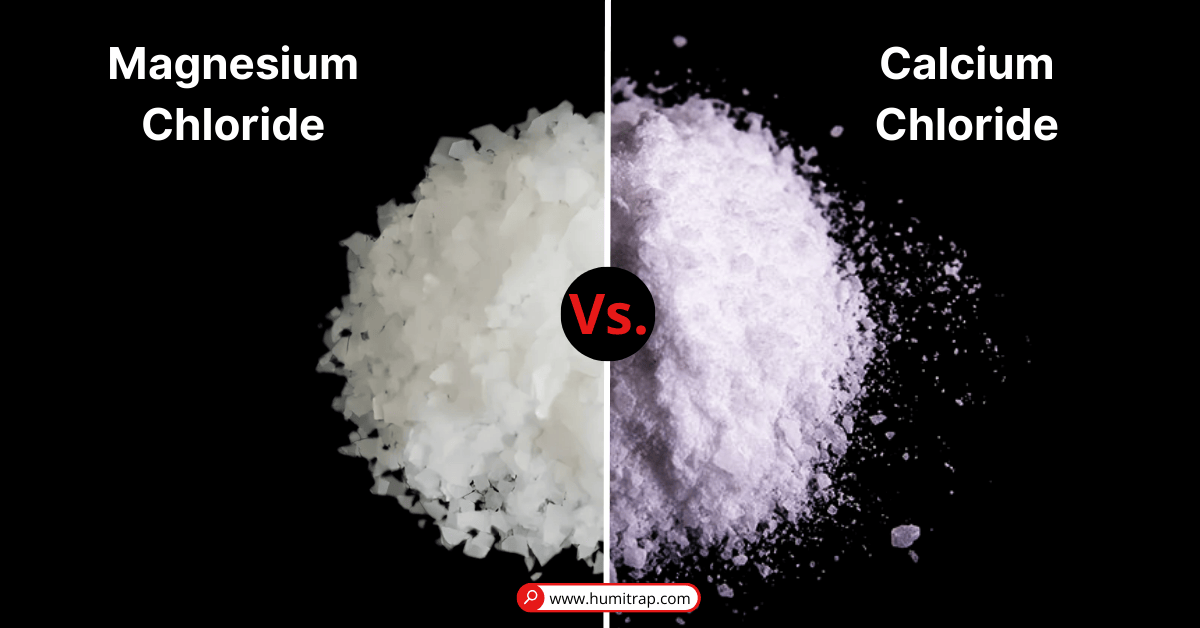
Also known as desiccant packs, moisture absorbing packets help protect products during storage and shipping. In Jakarta’s climate, calcium chloride desiccants are much more effective than silica gel.
-
Place them inside product packaging or cargo containers
-
Ideal for goods like textiles, shoes, and food items
-
Ensure packets are replaced regularly for long trips
Many businesses operating in or shipping through Indonesia turn to solutions like Humitrap, which specializes in high-performance desiccants designed specifically for tropical environments. These moisture absorbers are engineered to last longer and absorb more, helping exporters and logistics teams reduce product returns and damage claims.

Performing a humidity test before shipment ensures cargo stays protected during transit.
✅ Humidity Test Kits
Quick and affordable, humidity tests offer instant feedback on environmental conditions. They are ideal for new facilities, sealed cargo, or pre-shipment inspections.
“A simple humidity test today can prevent a shipment delay, a customer complaint, or even a product recall tomorrow.”
You can also check the humidity in area here.
4. Who Needs to Pay Attention?
If you are involved in the following, you need to monitor humidity in Jakarta closely:
-
Foreign exporters sending goods to Indonesia
-
Importers sourcing items such as garments, raw materials, or machinery from Jakarta
-
Third-party logistics providers managing storage and last-mile delivery
-
Quality control professionals overseeing overseas inventory
-
Freight forwarders handling international shipments of high-value cargo
Even if your company is based outside of Indonesia, your bottom line may depend on how well local humidity conditions are understood and controlled.
See Also:
5. Final Thoughts: Control What You Can
You cannot change the tropical climate of Jakarta, but you can adapt your logistics strategy to work with it. From installing temperature and humidity sensors to using moisture absorbing packets, small preventative actions can protect your goods and reputation.
When dealing with year-round humidity in Jakarta, moisture control is not just a good idea. It is essential for anyone looking to move goods reliably and efficiently in and out of the region.