+62 811-2577-878
 NEWSLETTER




It is important how to test different desiccants to collect fact-based data. As we know desiccants play a vital role in safeguarding goods during transit by absorbing excess moisture and preventing damage. It is Important to understand the efficacy desiccant product that you are using, therefore there are method to test different desiccants that is objective and collected from fact-based data.
Figuring out if you’re getting the protection you paid for against moisture is tough. This lack of standardization makes it difficult to accurately compare the effectiveness of different desiccants available on the market. In this guide, we’ll shed light on this issue and show you how to ensure you get what you pay for when it comes to moisture protection.
Understanding the Importance of Test Different Desiccants
Testing different desiccants is essential to assess their efficacy in real-world scenarios whether using climate chamber or real-life test. Factors such as moisture levels, container conditions, and loading methods can significantly impact their performance. By conducting thorough tests, businesses can make informed choices tailored to their specific shipping requirements.
The Impact of Moisture Levels
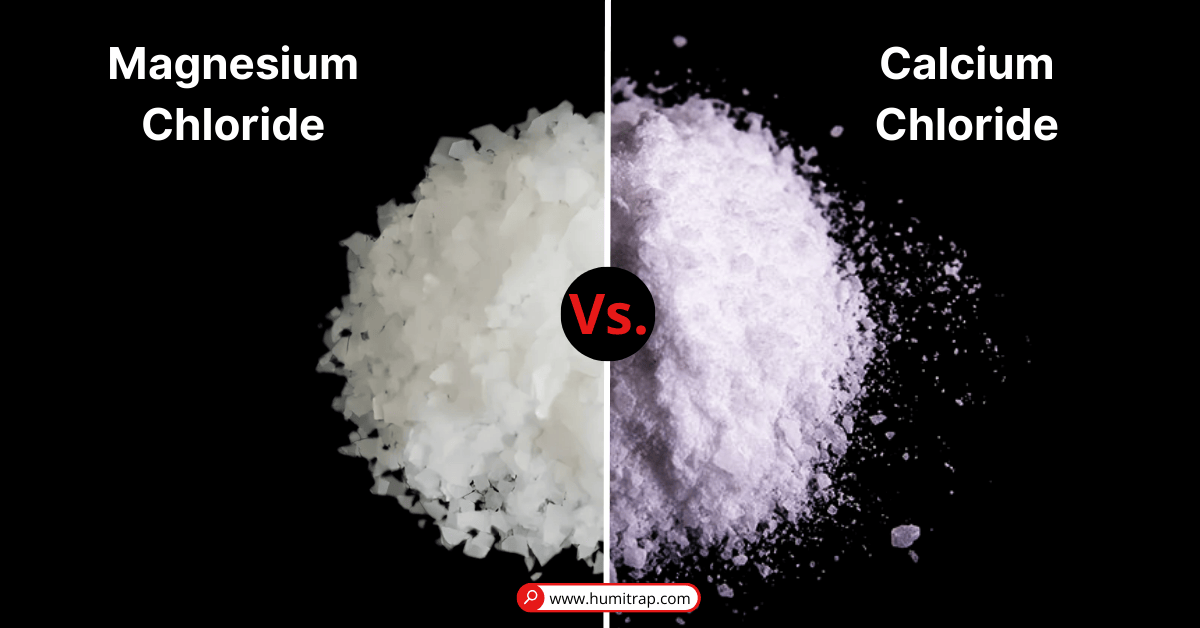
One crucial factor to consider when testing desiccants is the moisture level in the test environment. The amount of moisture available during testing significantly impacts the results. This principle holds true regardless of the desiccant type being tested—whether it’s calcium chloride, silica gel, clay, or desiccants from various brands
Some manufacturers claim absorption rates exceeding 500%, which sounds impressive. However, it’s essential to question whether these rates reflect real-world conditions.

Track Moisture Levels, Protect Your Cargo
Test Different Desiccants: Gathering Objective and Fact-Based Data
- Conduct desiccant testing under identical environmental conditions.
- Buy desiccant samples from the open market.
- Factor in considerations regarding loading conditions.
- Evaluate desiccants using consistent installation methods.
1. Testing Environment
Whether you choose a climate chamber test or a real-life on test different desiccants, it’s vital to maintain consistency. Climate chamber conditions can artificially boost desiccant performance. Factors like test duration, temperature, and relative humidity can be manipulated to achieve high absorption rates. However, these artificially high rates are unlikely to occur in real-world situations.
2. Sample Source
When test different desiccants, it’s advisable to purchase samples from the open market. This approach ensures that the samples represent the products readily available to consumers, providing a more accurate picture of real-world performance.
3. Loading Conditions
During real-life testing, ensure that desiccants from each manufacturer are placed in the same container. If different desiccants are put in separate containers, certain variables might interfere with the test results.
Like-for-like loading conditions are critical for a fair comparison. Factors like the initial moisture content of the cargo, container conditions, and vessel placement all play a role in desiccant effectiveness. Variations in moisture content at loading can significantly impact absorption capacity, making like-for-like comparisons essential.
4. Installation Mode
To obtain reliable data, test different desiccants with the same mode of installation. Never mix horizontally installed desiccants (often called blankets or sheets) with vertically installed ones (often called hanging). Even if two desiccants are identical in terms of their composition, horizontally installed desiccants tend to outperform vertically installed ones. The difference arises from how the absorbing agent distributes within the desiccant.
Testing Different Desiccants Conclutions
In summary, testing different desiccants requires a systematic approach to ensure that you collect objective and fact-based data. By maintaining consistent testing conditions, sourcing samples from the open market, considering loading conditions, and comparing desiccants with the same mode of installation, you can make well-informed decisions about the moisture protection products that best suit your needs.
With these insights, you can confidently choose desiccants that meet your moisture protection requirements, knowing that your decisions are based on reliable and objective data.
Further reading
Scrivens, G., et al. (2018). The humidity exposure of packaged products. The Humidity Exposure of Packaged Products, 105–146. https://doi.org/10.1016/b978-0-12-802786-8.00005-x