+62 811-2577-878
 NEWSLETTER



Barley is one of the oldest cultivated grains and remains a vital crop in the United States, used for everything from brewing beer to feeding livestock. Understanding the Life Cycles of Barley helps farmers, food producers, and grain handlers manage it effectively—from planting and harvesting to storage.
In this guide, we’ll break down how barley is grown, how is barley harvested, and how long does barley last in storage. We’ll also highlight why moisture control using desiccants can help preserve its quality and shelf life.
1. Germination (Seed Stage)
The Life Cycles of Barley begins with the planting of seeds. Barley can be sown in the fall (winter barley) or spring (spring barley), depending on the region. In the U.S., states like North Dakota, Idaho, and Montana are key barley producers.
How barley is grown:
- Barley seeds require well-drained soil with moderate fertility.
- Germination typically begins within 2–3 days of planting if soil moisture is adequate.
- The seed absorbs water, the embryo activates, and roots begin to form.
Proper moisture management during this stage is critical. Too much rain or poorly drained soil can lead to seed rot or uneven germination.
2. Seedling and Tillering
In the early life cycles of barley, the seedling emerges after germination and begins the critical process of photosynthesis. As the plant develops, it enters the tillering stage. This phase is important in the life cycles of barley because it determines how many productive shoots, or tillers, the plant will grow. Each tiller has the potential to form a grain head, directly impacting the overall yield and success of the crop.
During this phase of the life cycles of barley, farmers focus on maintaining optimal growing conditions. Weed control, pest monitoring, and disease prevention are essential, along with consistent irrigation and nutrient-rich soil. These practices support strong tiller development and set the foundation for a healthy crop.
3. Stem Elongation and Booting
As the life cycles of barley progress, the plant enters the stem elongation stage, where vertical growth becomes noticeable. This is followed by the booting phase, when the grain head remains hidden within the upper leaf sheath. It is a critical point in the life cycles of barley because the plant prepares for reproductive development.
Environmental conditions play a major role during this time. Drought, heat, or excessive humidity can cause stress, potentially affecting head formation and reducing yield. Protecting the crop during this vulnerable stage ensures smoother transitions through the life cycles of barley.
4. Heading and Flowering
In this phase of the life cycles of barley, the heads emerge fully from the leaf sheath, and flowering begins. Barley typically self-pollinates, and the plant begins redirecting energy toward seed development. The success of this stage has a direct effect on the final grain quality and quantity.
High humidity and poor airflow can lead to fungal diseases, which may interrupt the life cycles of barley before seed maturity. Careful spacing, preventive fungicide use, and good field management help safeguard this vital step in the life cycles of barley, allowing the crop to reach its full potential.
5. Grain Filling and Ripening
This is the final growth phase. Nutrients move into the seeds, and the grain begins to harden and mature. Timing harvest at the right moisture content is essential to prevent loss.
6. Harvesting
How is barley harvested?
- Barley is typically harvested using a combine harvester.
- Harvest usually occurs when the grain moisture content is around 12–14%.
- If harvested too early, the grain may be immature; too late, and shattering or lodging may reduce yield.
Once harvested, barley should be cooled and dried promptly to prevent mold, spoilage, or pest infestation.
7. Storage and Shelf Life
How long does barley last? The answer depends heavily on how well it’s protected after harvest, as the life cycles of barley continues even in storage. When kept in a cool, dry, and sealed environment, barley can last up to 12 months or more. But if exposed to high humidity or poor ventilation, its shelf life shortens drastically, and the life cycles of barley is disrupted by mold, spoilage, or insect activity.
That’s why moisture control plays a vital role in preserving the quality and extending the usable life cycle of barley. Even inside sealed containers or silos, temperature fluctuations can cause condensation—leading to clumping or fungal growth. Using reliable desiccants, like Humitrap, helps keep barley dry, safe, and export-ready throughout storage and transit.
Beside that there are ….
Factors That Affect the Life Cycles of Barley

Wondering How Is Barley Harvested? It takes precision, timing, and the right weather.
The life cycles of barley are influenced by a variety of environmental and agronomic factors that determine crop success from germination to harvest. Understanding these influences is crucial for barley producers, exporters, and agricultural planners alike.
One of the most significant factors is climate, particularly temperature and rainfall. Barley thrives in temperate conditions, and extreme temperatures—whether too hot or too cold—can disrupt its growth stages. Rainfall and moisture levels also play a role. While barley needs water during early stages like germination and tillering, excessive moisture can lead to fungal diseases or delayed maturity, especially during flowering and grain filling phases.
Soil quality and fertility are also critical to the life cycles of barley. Nutrient-rich, well-drained soils with adequate nitrogen and phosphorus levels support healthy root development and grain yield. Soil pH affects nutrient availability, with barley generally preferring a slightly alkaline to neutral range. Poor soil conditions can slow development or reduce output during the reproductive stage.
Pests and diseases such as leaf rust, powdery mildew, and aphids can severely interrupt the natural progression of barley’s life cycle. Integrated pest management (IPM) and crop rotation are essential practices for mitigating these threats.
Additionally, planting time and seed variety significantly impact the growth timeline. Some barley varieties are bred for winter or spring planting, and choosing the wrong variety for a given season or region may disrupt the plant’s ability to complete its life cycle efficiently.
Lastly, post-harvest handling and storage conditions can influence the viability of barley for export. Even after harvest, excess humidity during transportation may cause the grain to spoil, sprout, or mold—particularly on humid trade routes.
The Role of Desiccants
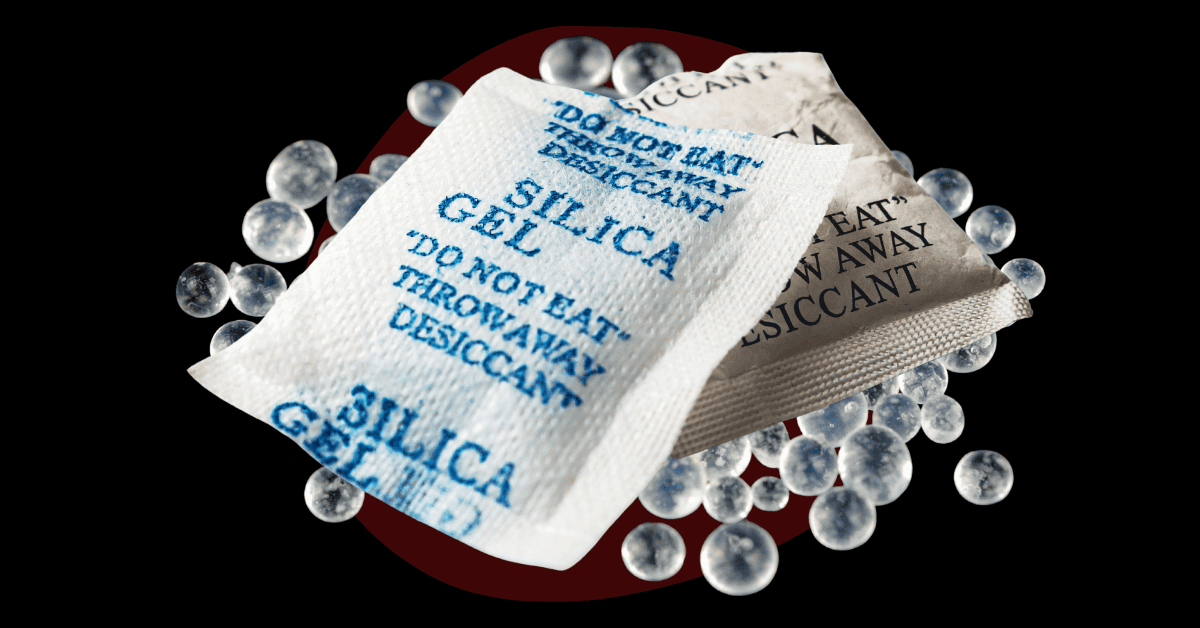
To extend shelf life and protect quality, many grain handlers in the United States and Australia use desiccant packs inside barley storage containers or shipping units. Desiccants:
- Absorb excess moisture from the air
- Help prevent mold, caking, and odor
- Are safe, effective, and low-cost
Desiccants are especially useful for exported barley or in climates with fluctuating temperatures.
Introducing Humitrap: Protect Your Barley Shipments
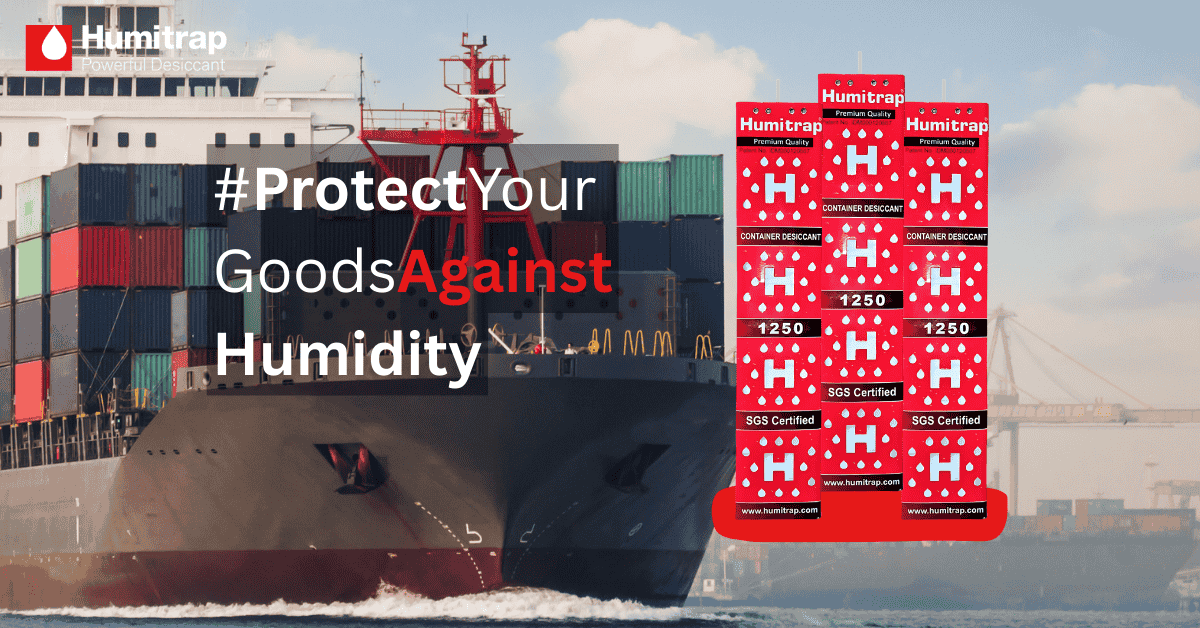
As we know, barley is highly sensitive to moisture, especially during long-haul shipments through humid trade routes such as from Australia to Southeast Asia, or from Ukraine and Europe to the Middle East and North Africa. These export-import routes often pass through tropical and coastal climates where temperature fluctuations and high humidity increase the risk of container condensation. Even a small amount of trapped moisture can cause mold growth, discoloration, or spoilage. Humitrap provides a powerful solution with its high-capacity calcium chloride desiccant, absorbing up to 4,500 grams of moisture per unit and locking it into a leak-proof gel. Whether you’re shipping from farm to port or across continents, Humitrap helps keep your barley shipments safe, dry, and market-ready.

Protect Your Grain with a Reliable Barley Moisture Absorber like Humitrap Premium Desiccant
Final Thoughts
Understanding the Life Cycles of Barley, from how it’s grown and harvested to how it’s stored, empowers producers and distributors to make better decisions. By adding smart moisture control measures like desiccants, you can significantly improve the quality and longevity of your barley.
Whether you’re a grower, exporter, or buyer, investing in proper storage practices ensures that barley stays fresher, longer.
Grow it well. Harvest it right. Store it smart.