+62 811-2577-878
 NEWSLETTER



5 Root Causes of Moisture Occurs in Shipments: Understanding and Preventing the Threat
The world around us is teeming with moisture. The very air we breathe contains water molecules. While this might seem harmless, temperature changes can cause this moisture to occur and condense in shipments, becoming a potential menace to your products. When your goods are loaded into a container, moisture is already present. Although everything may appear fine during loading, conditions can change drastically during transportation, putting your products at risk. In this article, we shed light on the various ways moisture occurs in shipments and explore alternative methods to prevent it effectively.
Understanding Why Moisture Occurs in Shipments
In international shipping, especially by sea, moisture occurs in shipments due to a combination of environmental and operational factors. This moisture can lead to cargo damage, delays, and serious financial losses. Knowing how and why moisture develops is the first step to protecting your goods in transit.
1. Weather Conditions and Temperature Fluctuations

Temperature Fluctuations at Sea Bring Hidden Risks
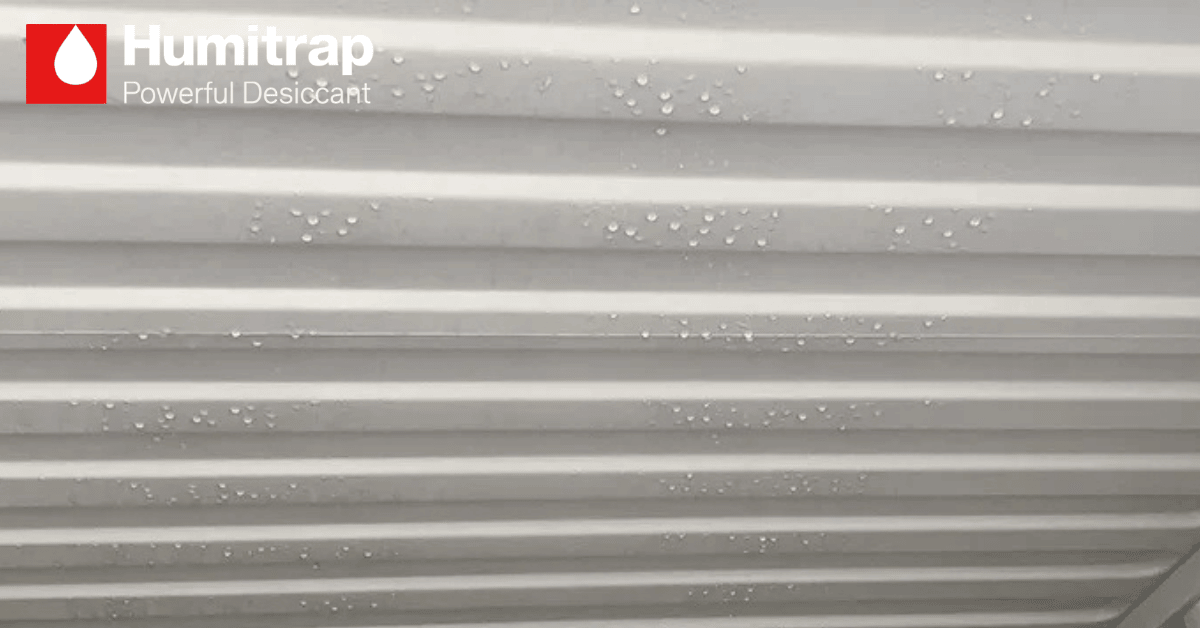
One of the most common reasons moisture occurs in shipments is due to the fluctuation of temperature during transit. As containers travel across regions with varying climates, the difference between day and night temperatures causes the internal air to contract and expand. This affects relative humidity, which measures the amount of moisture in the air relative to its saturation point. When warm, moist air inside the container cools, it can no longer hold as much water vapor. This results in condensation, often referred to as container rain, which can drip onto cargo and cause serious damage.
2. Moisture Introduced During Loading and Container Breathing
Another overlooked cause is moisture introduced during the loading process. Pallets, cartons, or products that are slightly damp can release moisture once sealed inside a container. Commodities like coffee, cocoa, or textiles naturally release moisture as well. Furthermore, containers are not completely airtight. The natural air exchange process known as container breathing allows external humid air to enter and mix with the container’s internal atmosphere, increasing moisture levels.
3. Poor Sealing and Ventilation
Containers with broken seals or poor ventilation are highly vulnerable. Even small gaps in the door gaskets or damaged vents can allow moisture-laden air to enter the container. Once inside, this air can condense on cooler surfaces, especially metal container walls. This becomes more severe in tropical routes or during rainy seasons when the external humidity is already high.
4. Improper Loading and Stacking
The way goods are loaded and arranged inside the container also plays a major role. When cargo is stacked too tightly, with no space for airflow, it increases the risk of cold spots forming. Placing items directly on the floor without using pallets or elevation can also expose goods to moisture coming from the base of the container. These issues amplify the likelihood that moisture occurs in shipments and affects product integrity.
5. Inadequate Use of Desiccants
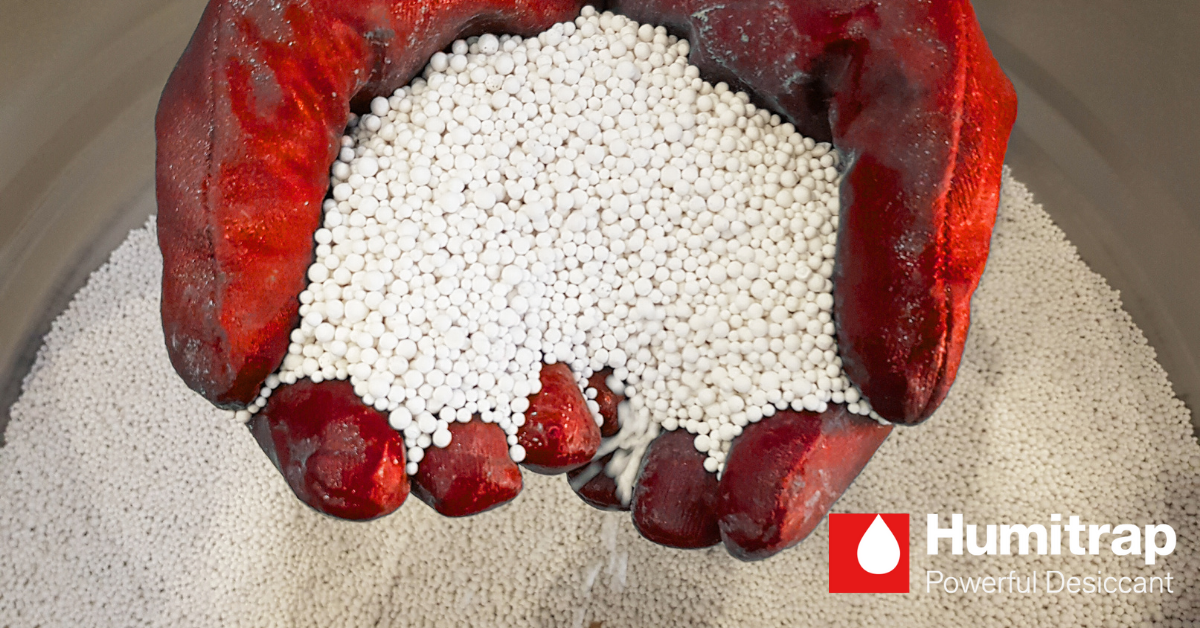
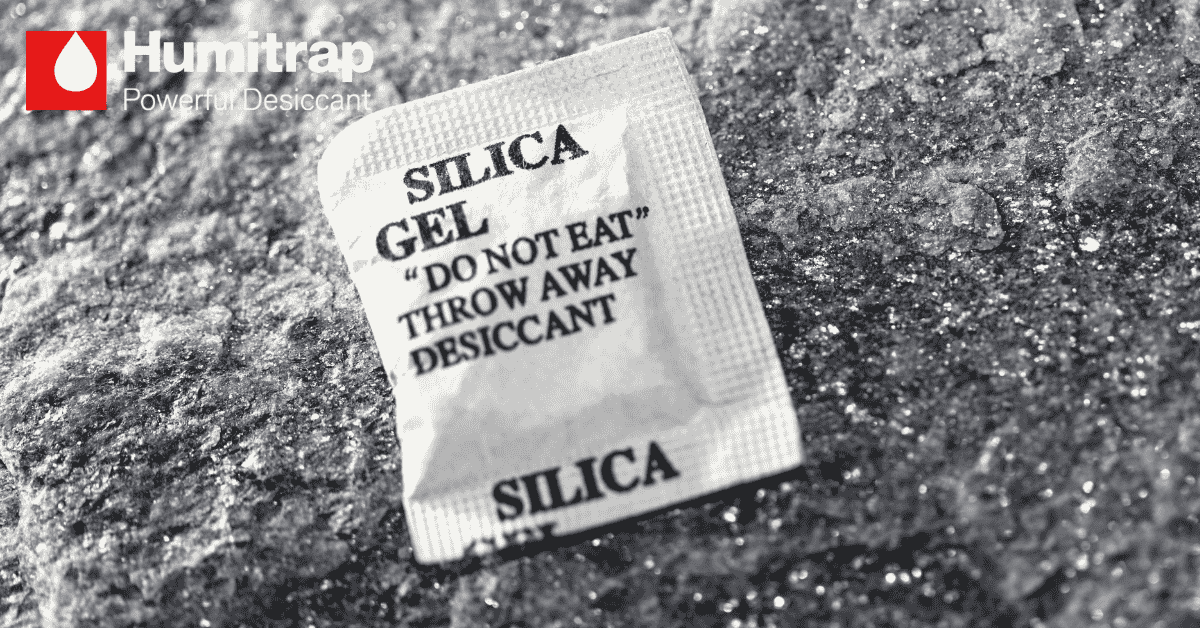
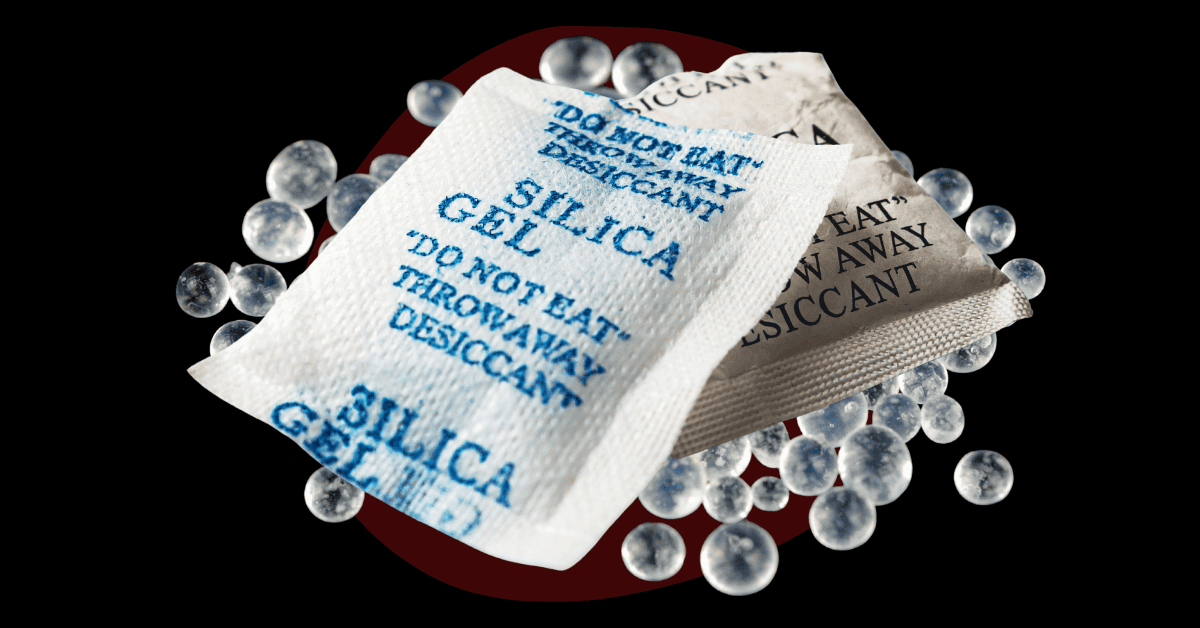
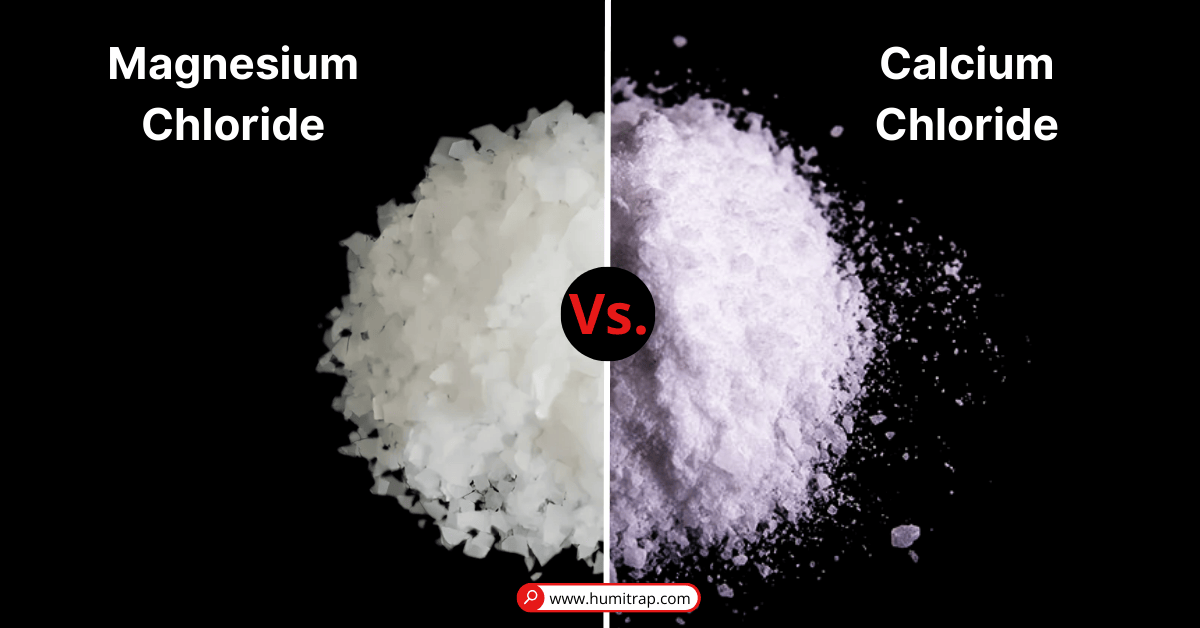
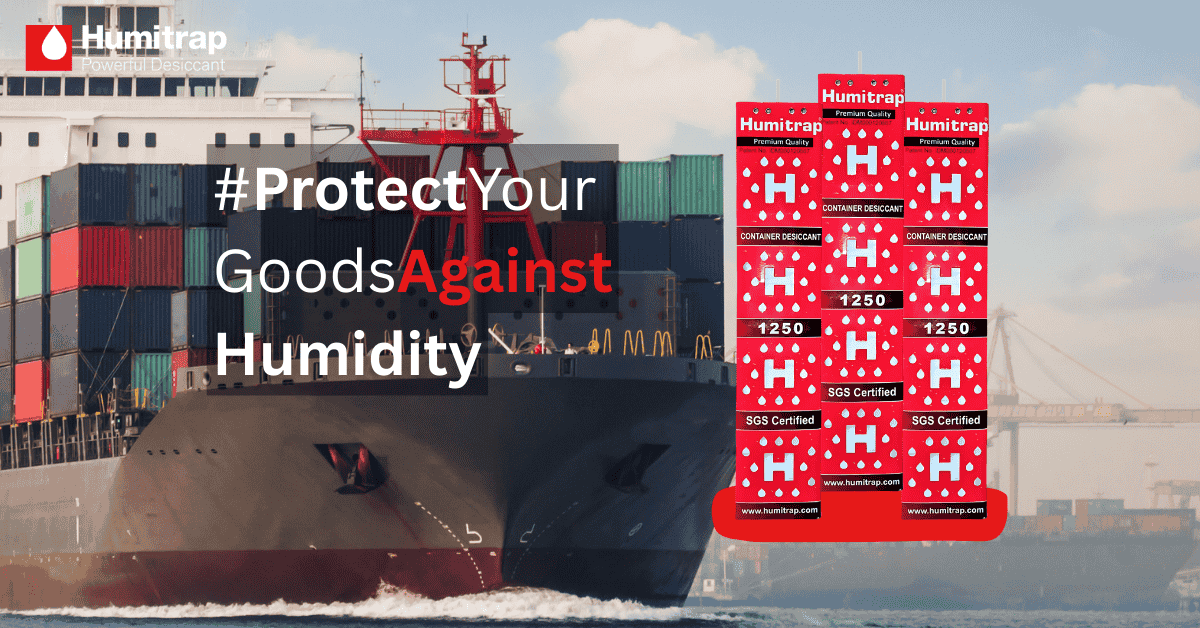
Desiccants are designed to absorb excess moisture inside a sealed environment. However, when the wrong type is used or if the quantity is insufficient, the protection becomes ineffective. For instance, basic silica gel packets may work for small packaging but are not suited for large-scale container shipping. A more effective solution is calcium chloride-based desiccants like Humitrap Premium, which can absorb a higher volume of moisture and lock it into a gel form. This prevents leaks and re-evaporation, providing a more reliable defense during long voyages or in humid conditions.
Here what you should know more …
The Costly Impact of Moisture Damage
When moisture damage occurs, the impact on a business can be severe and wide-reaching. One of the first consequences is product deterioration. Mold, mildew, corrosion, and foul odors can ruin entire shipments. This is especially true for sensitive products like textiles, electronics, leather goods, paper products, and wooden or rattan furniture. These issues often lead to shipment rejection by importers or final customers.
The financial implications can be steep. Damaged cargo may need to be refunded, repaired, or replaced. Businesses also face increased insurance claims, extra shipping costs, and reduced margins. Beyond the immediate costs, frequent moisture issues can hurt long-term client relationships. Buyers want consistency and reliability. If a supplier repeatedly delivers goods with moisture damage, trust erodes and future contracts may be lost.

Humidity Damage to Fruits Leads to Rots and Losses
Operational disruptions also occur. Customs inspections, client disputes, and delays in unloading or restocking due to product issues can cause bottlenecks across the supply chain.
In conclusion, preventing situations where moisture occurs in shipments is critical to protecting your cargo, maintaining customer trust, and sustaining profitability. Through proper container preparation, smart loading practices, and the use of high-performance desiccants, businesses can confidently export goods while minimizing the risks caused by humidity.
Ready to Protect Your Cargo? Use Humitrap Desiccants!
For a foolproof moisture prevention solution, consider Humitrap Desiccants. Our premium desiccant products are engineered to combat moisture effectively, ensuring your goods reach their destination in impeccable condition. Don’t risk your shipments; safeguard them with Humitrap Desiccants today! Contact us to get quotation for your business.

Ready to Ship Smarter?
Try Humitrap Premium Desiccant Cargo Now and keep moisture out.
Further reading
Scrivens, G., et al. (2018). The humidity exposure of packaged products. The Humidity Exposure of Packaged Products, 105–146. https://doi.org/10.1016/b978-0-12-802786-8.00005-x