+62 811-2577-878
 NEWSLETTER



What Is Humidity? What Does Humidity Really Mean?
Humidity is the amount of water vapor present in the air. It plays a quiet but powerful role in our everyday lives, affecting how we feel, how we store goods, and even how buildings age over time. When people say “it’s humid today,” they usually mean the air feels damp and heavy. But to understand the real impact, we need to talk about a more specific term: relative humidity.

Condensation on glass illustrates the real-world effect of humidity meaning.
Table of Contents
2. Relative Humidity: A Closer Look
3. Humidity vs. Relative Humidity
4. A World of Differences: Humidity Across the Globe
5. Humidity in Indonesia: Warm, Wet, and Consistently High
6. Humidity Across Indonesia: Port Cities and Risk Zones
7. A Global Port City Comparison
8. The Pros and Cons of High Humidity
9. The Solution: Moisture Control with Desiccants
11. Practical Steps to Fight Humidity
Relative Humidity: A Closer Look
Relative humidity (RH) measures the percentage of water vapor in the air compared to the maximum it can hold at a certain temperature. If the air has 100% RH, it means the air is fully saturated and cannot hold more moisture without forming condensation.
There is also a related term worth knowing: equilibrium relative humidity (ERH). ERH refers to the point where the moisture content of a product is in balance with the surrounding air. This is critical in industries like pharmaceuticals or food storage, where moisture imbalance can lead to spoilage or damage.
“It’s not the strongest of the species that survives, nor the most intelligent—it is the one most adaptable to change.”
— Charles Darwin
Humidity vs. Relative Humidity
Humidity is often used casually to describe muggy conditions, but relative humidity gives us a precise understanding of how moisture behaves in our environment. For example, 60% RH in Jakarta might feel very different from 60% RH in Melbourne due to temperature differences. This is one of many reasons why understanding humidity in Indonesia requires looking at both temperature and moisture content over time.

The relationship between temperature and relative humidity levels.
A World of Differences: Humidity Across the Globe
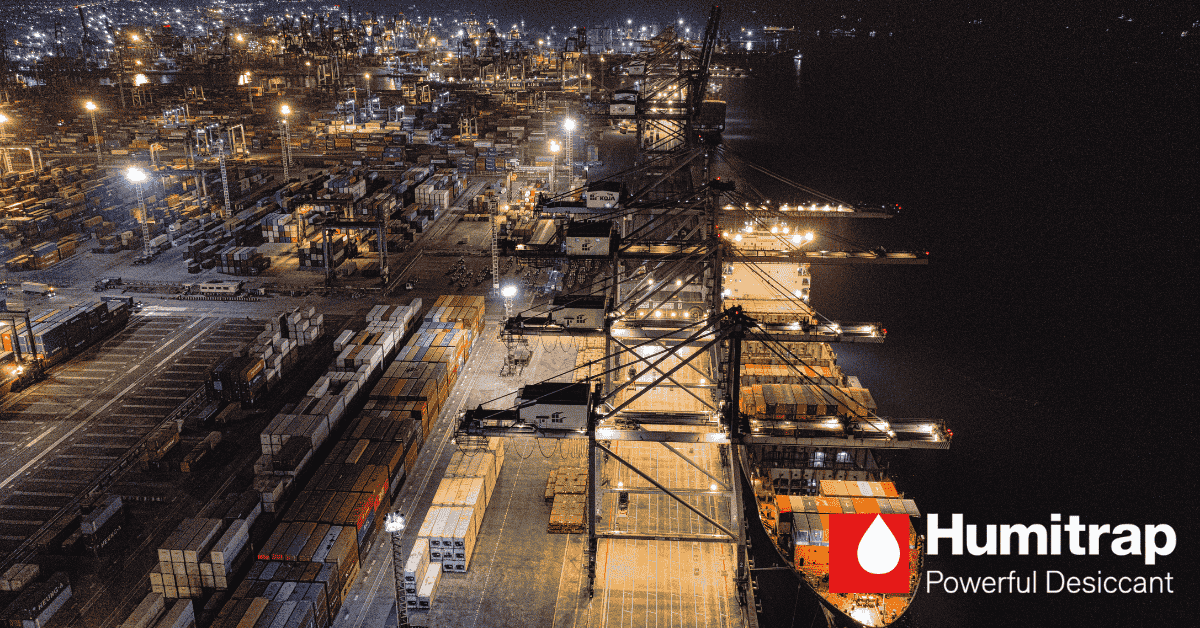
Different countries experience different levels of RH throughout the year. Understanding these variations helps businesses and individuals plan better, especially when shipping goods across borders or managing storage facilities in different climates.
-
Relative Humidity in Melbourne tends to be moderate, usually around 50-70%, with peaks during the winter. This makes it relatively easier to control moisture levels.
-
Singapore experiences high RH almost year-round, often reaching 80-90%. It’s a humid climate much like humidity in Indonesia, posing similar challenges for cargo, buildings, and stored goods.
-
As Dubai, located in a desert region, sees much lower RH, often below 40%, especially in the summer. While high temperatures dominate, low humidity brings its own risks, like material drying and cracking.
-
Humidity in London averages around 60-80% RH and sees high seasonal variation. Mold and dampness are common problems in older buildings.
-
Tokyo varies from 40% in dry winter months to over 80% in the humid summer. This dramatic shift requires flexible moisture control systems.
-
Bangkok frequently reaches 80-90% RH, especially during its rainy season, much like many cities affected by humidity in Indonesia.
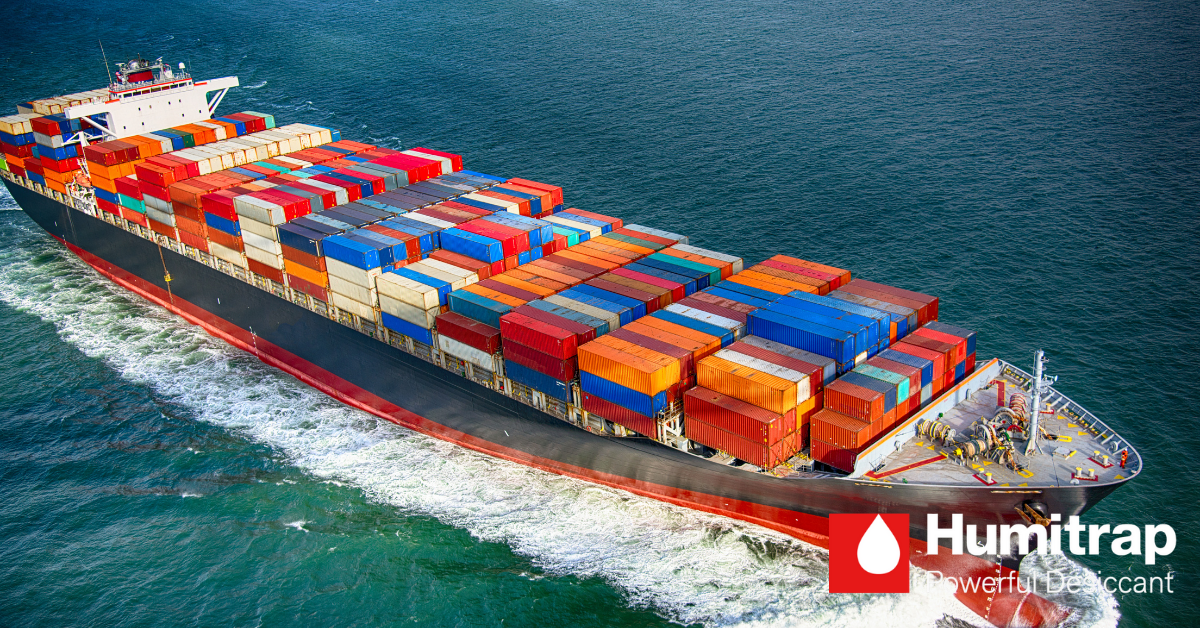
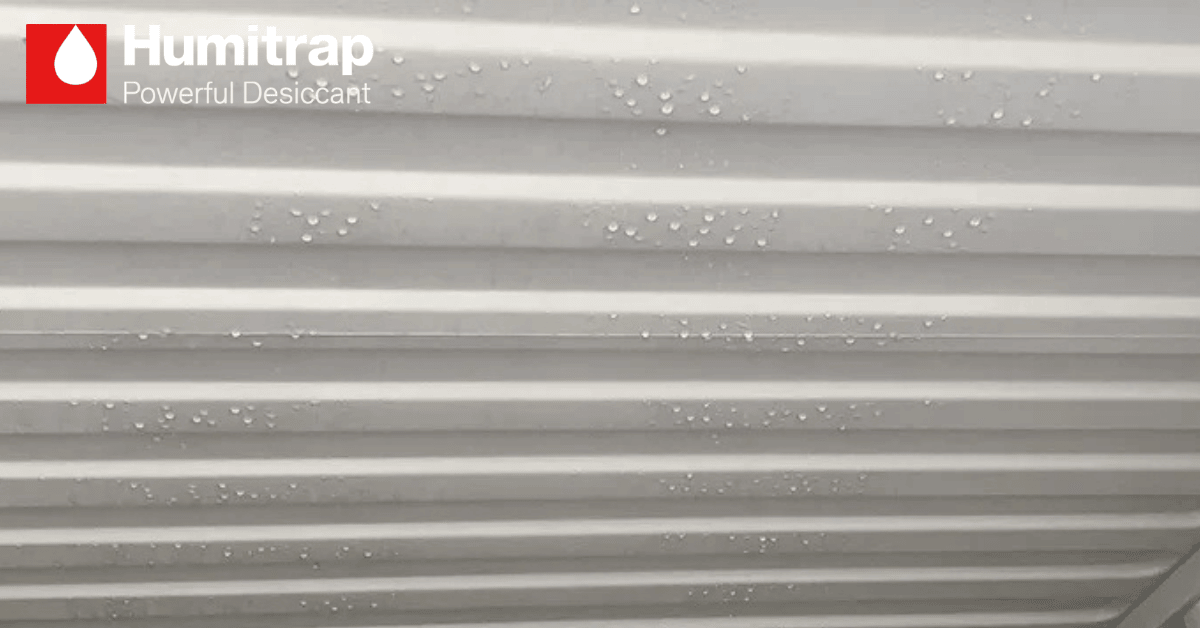
These variations matter, especially when it comes to global shipping and cargo handling. Moving goods from a dry region to a humid one can pose unexpected risks. Knowing the RH differences between origin and destination allows you to estimate how much moisture could condense during a sea journey. This is particularly important to avoid a phenomenon known as container rain, where condensation builds up inside shipping containers, potentially damaging the cargo.
If you are involved in international trade, this knowledge is essential for proper preparation. If you’re shipping moisture-sensitive items such as electronics, paper goods, textiles, or food products, understanding RH can help calculate the risk of condensation and water buildup during the voyage. That insight informs the need for moisture protection like desiccants or thermal insulation inside containers.
Failing to address RH differences can lead to irreversible product damage. Humidity control, especially in international transit, isn’t just a precaution—it’s a necessity. That’s why using protective measures such as desiccants becomes essential.
For example, if you’re exporting electronics from Melbourne to Jakarta, the change in climate can create condensation inside packages unless precautions are taken. Similarly, furniture shipped from Indonesia to Dubai may dry out and crack due to the lower RH unless humidity buffers like desiccants are used.
That brings us to the tropical archipelago of Indonesia, where humidity in Indonesia is a year-round concern.
Indonesia’s Climate: Warm, Wet, and Humid
Indonesia is a maritime country with a tropical climate. The average RH across the country ranges from 70% to 90%, depending on the season and location. The rainy or monsoon season Indonesia, which runs roughly from November to March, brings a significant increase in moisture levels. During this period, RH in some areas can stay above 90% for weeks at a time.
High humidity in Indonesia affects not just comfort, but also logistics, packaging, and infrastructure. Buildings, cargo, electronics, and even food products are constantly at risk of absorbing moisture and deteriorating faster in such environments. This is why managing humidity in Indonesia is essential, especially for exporters and businesses dealing with sensitive materials.

Raindrop symbolizing the arrival of monsoon season Indonesia.
Humidity in Indonesia also affects construction timelines, especially when dealing with cement, adhesives, and paint. High RH slows drying and curing processes, which can delay project completion and reduce the quality of work if not managed properly. Builders and contractors must consider this when planning materials and timelines for tropical climates.
Humidity Across Indonesia: Port Cities and Risk Zones
Since Indonesia relies heavily on sea transport, understanding RH levels in key port cities is essential. Here are a few notable regions where humidity in Indonesia plays a major role:
-
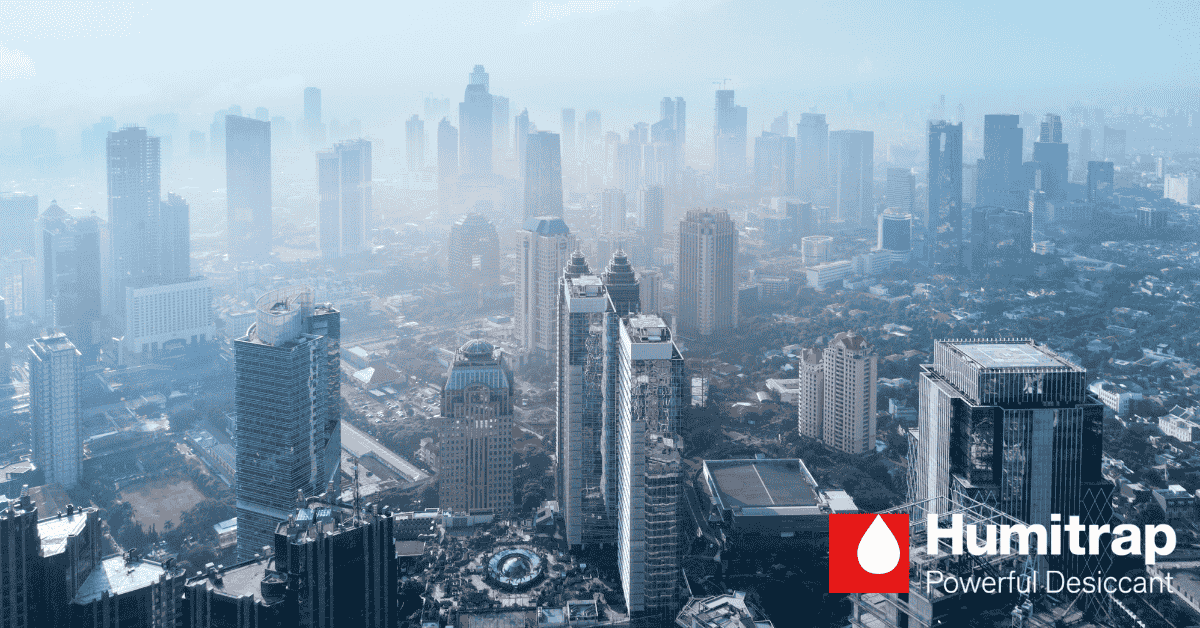
Jakarta: As the capital and a major port, Jakarta experiences RH between 75% and 95%, especially during the rainy season. Managing humidity in Jakarta is vital for warehousing and logistics.
-
Surabaya: Eastern Indonesia’s commercial hub, with RH typically in the 70-90% range. Cargo stored here must be properly protected.
-
Medan (Belawan Port): Sumatra’s major port city often sees high RH due to its coastal and rainforest surroundings.
-
Makassar: Another important harbor city with high year-round humidity and a key shipping lane in eastern Indonesia.
-
Bali (Benoa and Celukan Bawang Ports): In addition to being a tourist hub, Bali exports many artisan products that can be sensitive to moisture. Humidity in Indonesia, especially in tourist export hubs like Bali, must be monitored closely during the rainy season.
This level of moisture can wreak havoc on goods, especially during storage and transit.
A Regional Comparison: RH in Major Port Cities Worldwide
Let’s take a quick look at RH levels in other port cities to understand just how challenging the humidity in Indonesia can be:
-
Humidity in Melbourne: 50-70%, relatively mild.
-
Humidity in Tokyo: 60-80%, with seasonal spikes.
-
Humidity in Rotterdam: 60-85%, depending on the season.
-
Humidity in Singapore: 80-95%, comparable to humidity in Indonesia.
-
Humidity in Jakarta: 75-95%, high and consistent year-round.
-
Humidity in Bangkok: 80-90%, affected by monsoon.
-
Humidity in Dubai: 30-50%, very dry, especially in summer.
Understanding these differences is not just a matter of weather knowledge—it’s critical for businesses involved in global trade. When you know how RH varies between cities, you can better estimate how much moisture might condense inside a container during transit. That condensation, if not managed, can turn into container rain, which damages packaging and compromises goods.

A global view of humidity weather patterns affecting climates across continents.
This is especially important for exporters and importers of sensitive products—like paper, electronics, pharmaceuticals, textiles, and wood materials. Without moisture control, the risk of loss increases dramatically. That’s why protective strategies such as choosing appropriate desiccants, using moisture barriers, and selecting proper packaging materials are essential—especially in the context of humidity in Indonesia.
If you’re operating in multiple cities across Southeast Asia, you’ll find that humidity in Indonesia tends to be consistently high compared to even neighboring countries. This means what works in Malaysia or Vietnam may need upgrading for Indonesian environments, especially during the wet season.
The Good and the Bad of High Humidity
You might have felt it yourself, as we know the positive and negative effects of high humidity can be surprising. While a humid environment can offer benefits for people and certain goods, it also brings serious challenges that affect comfort, health, and durability.
For human body, here are the main benefits you feel in day to day basis:
-
Keeps skin soft and naturally hydrated
-
Helps maintain clear nasal passages and easier breathing
-
Reduces the transmission of airborne diseases due to heavier moisture-laden particles
As for the drawback, high humidity can cause significant discomfort, particularly due to sticky skin and excessive sweating. It also increases the risk of heat-related illnesses such as exhaustion or even heat stroke. For those with sensitivities, it may trigger respiratory problems and allergies, especially when mold is present. Additionally, some individuals may experience worsened symptoms of joint pain and persistent fatigue in humid conditions.

Visible signs of humidity damage as mold spreads across an interior wall surface.
Unlike the human body, goods and buildings respond very differently to moisture. That’s why the risks — and benefits — of humidity also differ. High humidity can be beneficial for certain goods and materials. It helps preserve organic items like aged cheeses and tobacco that thrive in moist conditions. Additionally, materials such as wood and textiles maintain their flexibility and are less prone to cracking or becoming brittle in a more humid environment.
As for the drawback in general, high humidity has the capability to:
-
Promote the growth of mold, mildew, and rot
-
Corrode sensitive components such as metals and electronic circuits
-
Weaken paper and cardboard packaging materials
-
Spoil perishable foods and organic products
-
Cause musty odors and unhealthy indoor air quality
-
Speeds up degradation of stored products, especially during transit
-
Raises energy costs due to the need for increased cooling and dehumidification
And all those drawbacks can pose major risks to businesses—particularly in the form of operational disruptions, product loss, and profit reduction. That’s why companies exposed to high humidity in Indonesia need reliable, industrial-grade protection.
The Solution: Moisture Control with Desiccants
Desiccants are materials designed to absorb moisture from the air and reduce relative humidity in enclosed environments. They are critical for protecting goods during storage and transportation, especially in high-humidity countries like Indonesia.
Managing humidity and relative humidity is essential not just for product integrity, but also for long-term operational efficiency.
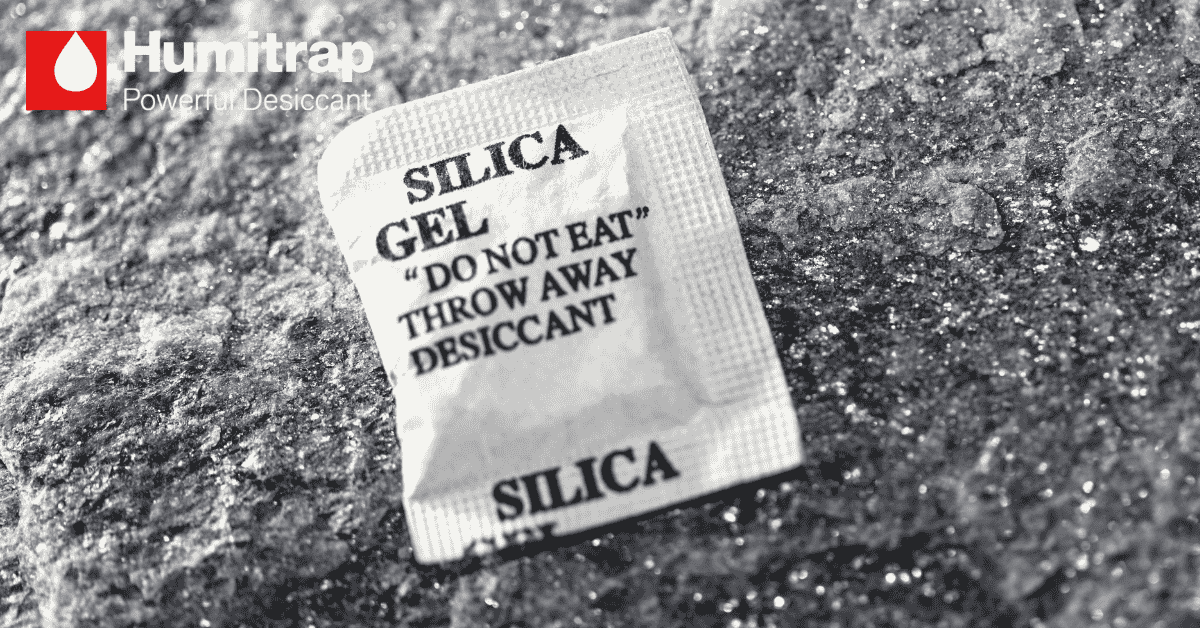
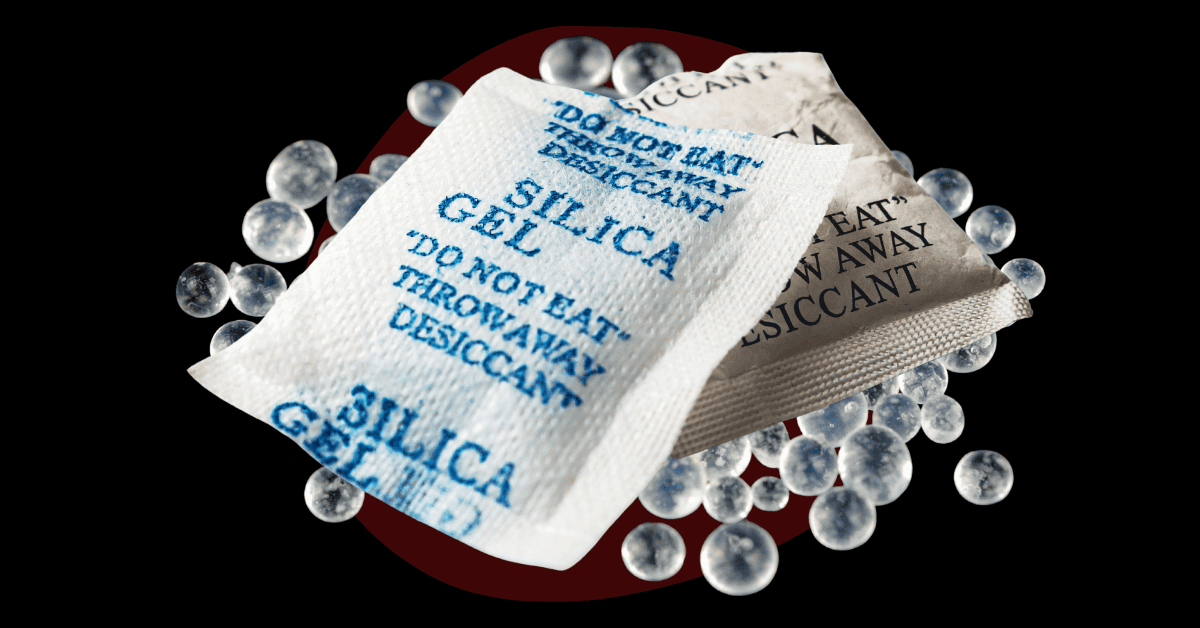
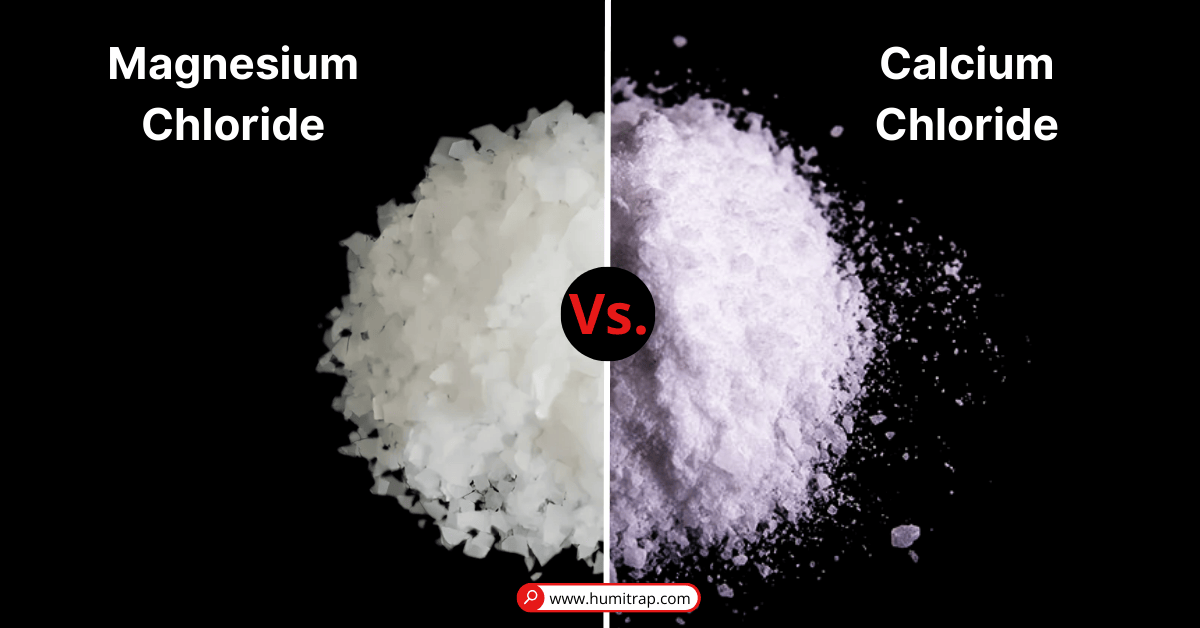
While traditional silica gel works for smaller or less critical applications, calcium chloride-based desiccants offer superior moisture absorption and longer-lasting performance. They are particularly effective in shipping containers, warehouse storage, and export packaging—especially under the extreme humidity in Indonesia.
Humidity in Indonesia is one of the most aggressive and constant moisture threats in Southeast Asia, which is why relying on basic desiccant options is often not enough. High-performance desiccants are a must.
Why People Trust Humitrap
At this point, you may be wondering what product can stand up to humidity in Indonesia. That’s where Humitrap comes in. Humitrap offers industrial-grade desiccant solutions made specifically to handle tropical humidity and long-distance shipping.
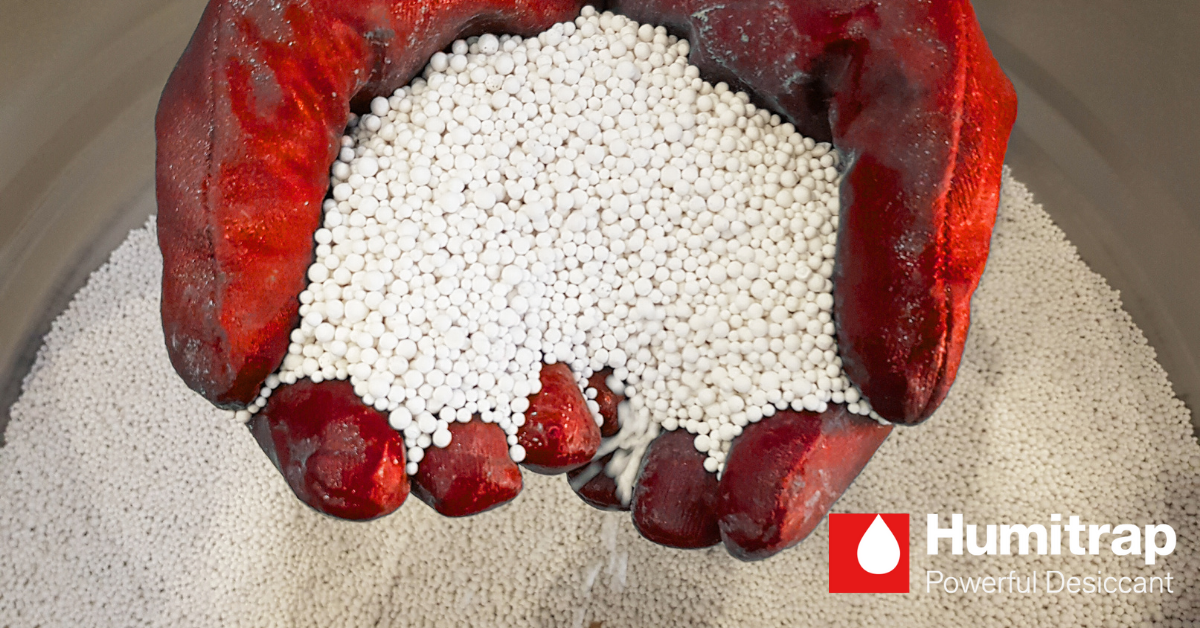
Designed for exporters, warehouse managers, and even homeowners, Humitrap uses calcium chloride as its core ingredient to pull moisture from the air more effectively than traditional options. It lasts longer, absorbs more, and helps protect your assets from preventable moisture damage.
If you’re serious about managing humidity in Indonesia, especially during the monsoon season, Humitrap can be an essential part of your protection strategy.
Humidity Hacks for Homes
If you are someone who struggles with controlling humidity at home, controlling humidity doesn’t have to be complicated. It’s all about combining a few smart habits to keep excess moisture in check and protect your belongings. These tips are especially relevant in a country like Indonesia, where humidity in Indonesia often surpasses 85%.
Even if you’re using a desiccant (like a moisture absorber), it’s most effective when used alongside other everyday solutions:
-
Keep items off the floor
-
Improve airflow
-
Use moisture-resistant packaging
-
Track humidity levels
-
Use household dehumidifiers
-
Install exhaust fans
-
Be weather-aware
By mixing these simple steps with desiccants, you build a much more effective defense against humidity in Indonesia in everyday life.
Cargo Protection Tips for Exporters
Of course there are different tips we can offer you if you are someone that is in the export and import business. Here are some suggestions from us that have been proven to protect cargo against humidity in Indonesia:
-
Use container desiccants like Humitrap for overseas shipments
Desiccants are the frontline defense against moisture damage. Humitrap desiccants, in particular, are designed to absorb large volumes of moisture over long periods, making them ideal for ocean freight where transit times are long and humidity levels are high. By reducing relative humidity inside the container, you can prevent container rain, mold, corrosion, and product degradation. -
Choose climate-appropriate packaging materials
Not all packaging is created equal. Using water-resistant materials such as laminated cartons, plastic wraps, vacuum seals, and foil liners helps reduce the risk of moisture seeping into the cargo. In climates like Indonesia’s, even the tape used in packaging can make a difference. Avoid cardboard-only or porous materials when shipping to or from high-humidity areas. -
Seal containers to minimize air exchange
Gaps or openings in containers allow humid air to flow in and out, destabilizing the internal environment. Even a small leak can let enough moisture in to damage your goods during transit. Make sure all container doors are sealed properly, and consider using container liners or barriers for added protection. -
Know the RH levels at both origin and destination
Understanding the climate and relative humidity in both the departure and arrival locations can help you estimate the moisture load your cargo will face. For example, shipping from Dubai (dry) to Surabaya (humid) requires a different moisture control strategy than shipping between two similarly humid cities. Monitoring RH trends allows you to plan better and customize your protection method. -
Schedule shipments during drier seasons if possible
While not always an option, planning your logistics around seasonal RH levels can reduce the stress your cargo experiences. For example, avoiding peak monsoon months in Indonesia—typically November to March—can reduce the likelihood of container rain and moisture damage. This tip is especially useful for non-urgent shipments. -
Educate logistics staff on RH monitoring and cargo protection
Your best equipment won’t help if your team isn’t trained to use it correctly. Make sure warehouse, packing, and logistics personnel understand the importance of relative humidity, how to monitor it, and how to implement moisture protection measures. Training ensures consistency and reduces the risk of avoidable losses.
For large shipments or vulnerable cargo, we suggest consulting with your logistics provider about integrating Humitrap into your supply chain. Or feel free to discuss it with us — we’re happy to help!
See Also: Regional Guides and Practical Insights
-
Humidity in Jakarta: What Exporters Need to Know
Discover how high humidity in Jakarta impacts cargo, storage, and electronics — and how to protect your goods. -
Humidity in Bali: Tips for Tourists and Global Businesses
A closer look at how Bali’s constant moisture levels affect travelers and international trade.
Conclusion
Humidity in Indonesia is more than a weather report. It’s an environmental factor that affects industries, households, and health. By understanding the difference between humidity and relative humidity, and how they vary across regions, businesses and homeowners can take smarter steps to protect their environments and assets.

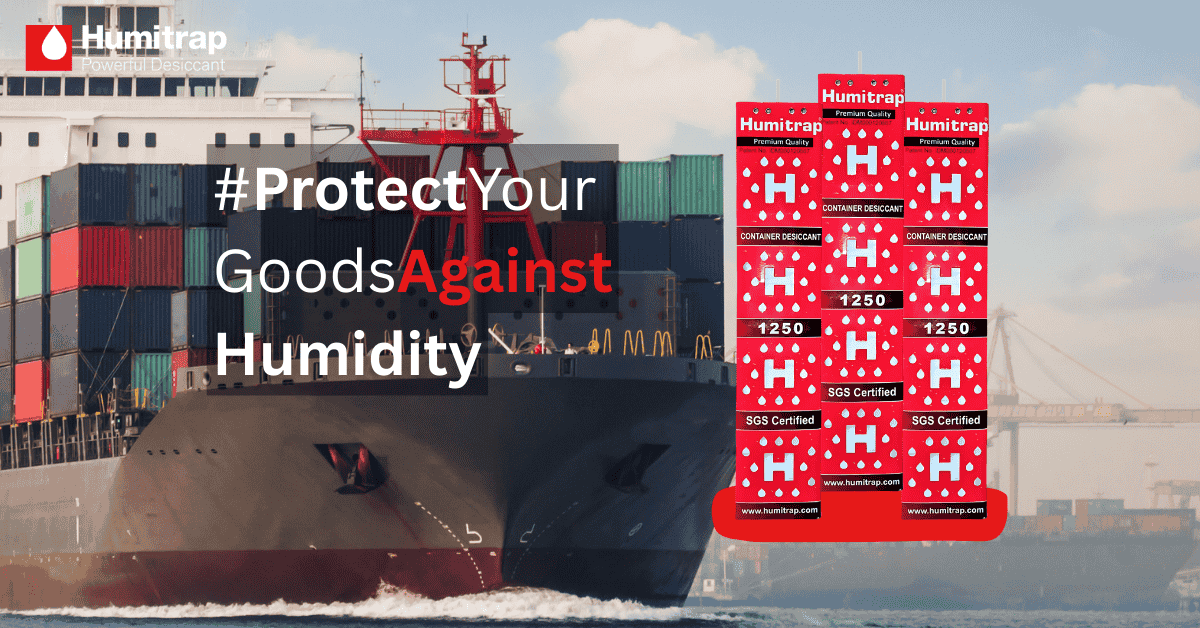
Protecting what matters — Humitrap desiccant ready for the journey ahead.
Moisture damage is real, but it’s also preventable. Whether you’re managing a warehouse or just storing family keepsakes, don’t leave your assets vulnerable. Take control of humidity in Indonesia with the right strategy — and with Humitrap. With us, the high RH of Indonesia, or any tropical country, doesn’t have to be a threat. Instead, it becomes a factor you can manage confidently and effectively.