+62 811-2577-878
 NEWSLETTER




When it comes to protecting goods from moisture damage, not all desiccants are created equal. In industrial applications and international shipping, the strength, reliability, and efficiency of your desiccant can determine the difference between a product that arrives safely and one that arrives ruined. One type of desiccant has continued to prove itself as a superior choice: the calcium chloride desiccant.
What Is a Desiccant?
A desiccant is a substance that absorbs or adsorbs moisture from its surrounding environment. Desiccants are commonly used to prevent damage from humidity during storage or transportation of sensitive items. From keeping food dry to protecting electronics, desiccants play a vital role in moisture control across many industries.
There are various types of desiccants, such as silica gel, clay, and calcium chloride. Each serves the same general purpose, but they differ in strength, duration, and reliability depending on the conditions in which they are used.
What Is a Desiccant Bag?
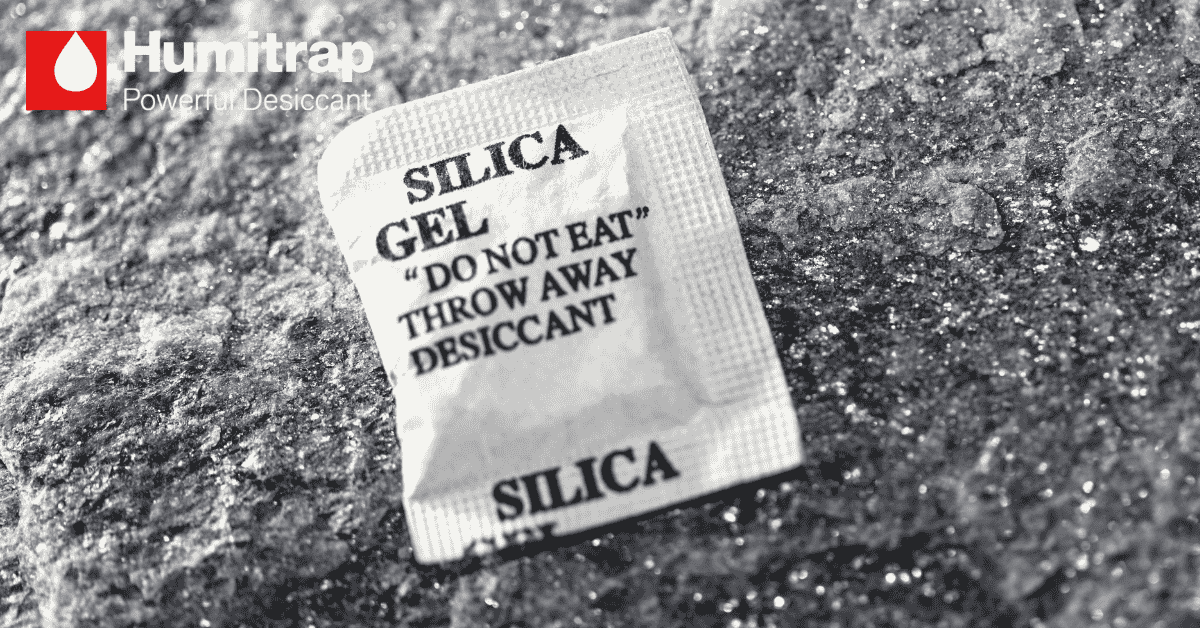
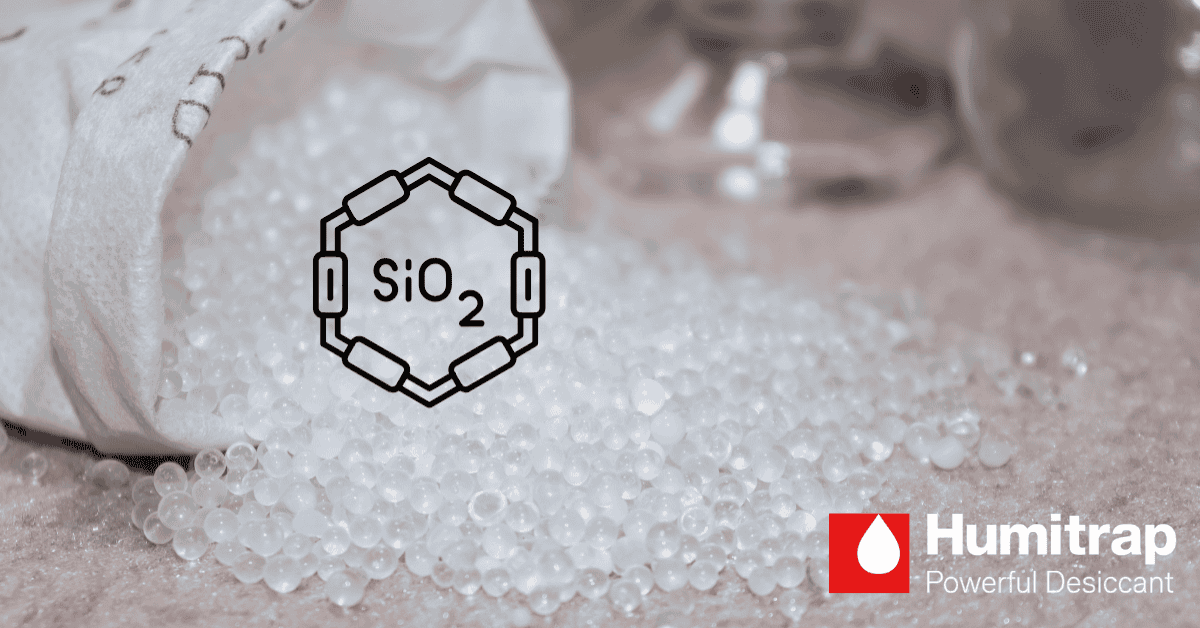
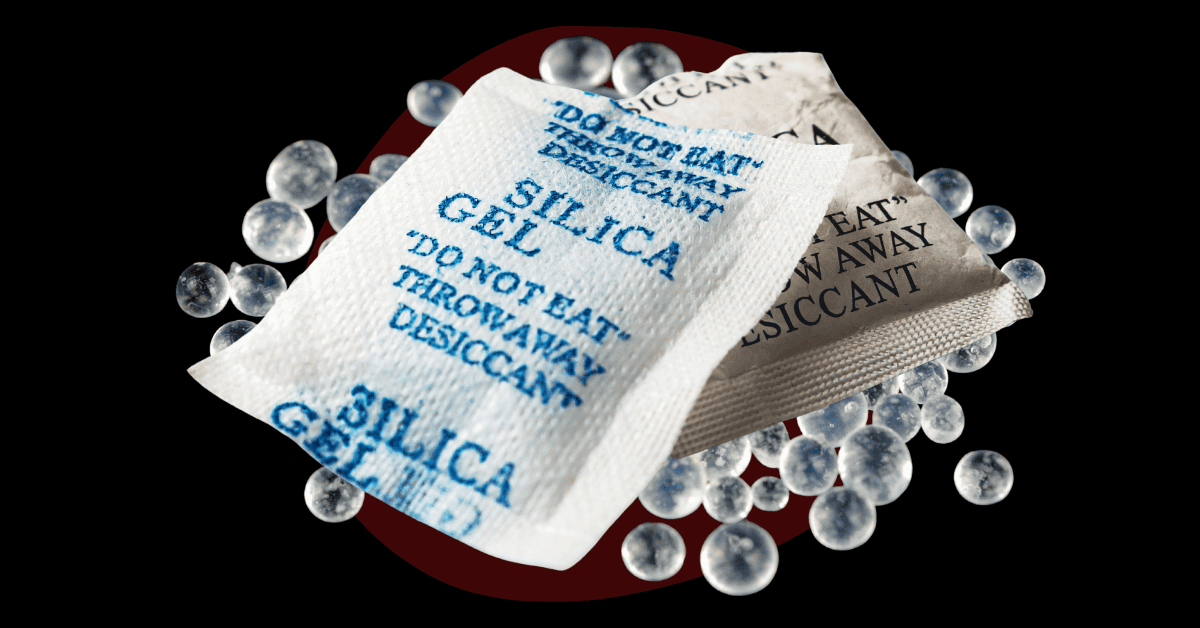
A desiccant bag is a small to large pouch filled with moisture-absorbing materials. These bags are placed in packaging or shipping containers to control humidity. The most common household desiccant bags are filled with silica gel beads, which adsorb water vapor from the air.
However, industrial desiccant bags are often made from more absorbent materials like calcium chloride. These are especially effective in harsh, humid environments where standard desiccant options fail.
The main ingredients in a desiccant bag vary by type. Silica gel is made from silicon dioxide, while calcium chloride is a naturally occurring salt with extremely high moisture absorption properties. Industrial desiccants that use calcium chloride can absorb several hundred percent of their own weight in moisture, making them ideal for long-haul and high-risk shipments.
Household Desiccants vs. Industrial-Grade Solutions
At home, you might find desiccant bags tucked inside new shoes, medicine bottles, or electronics packaging. These small packets usually contain silica gel or clay and are sufficient for short-term or low-moisture scenarios.
But when it comes to international trade or protecting high-value items during long transits, these simple solutions fall short. Household desiccants lack the capacity and durability needed for cargo environments that involve temperature changes, long durations, and exposure to varying humidity levels.
Why Export-Import Requires Stronger Desiccants

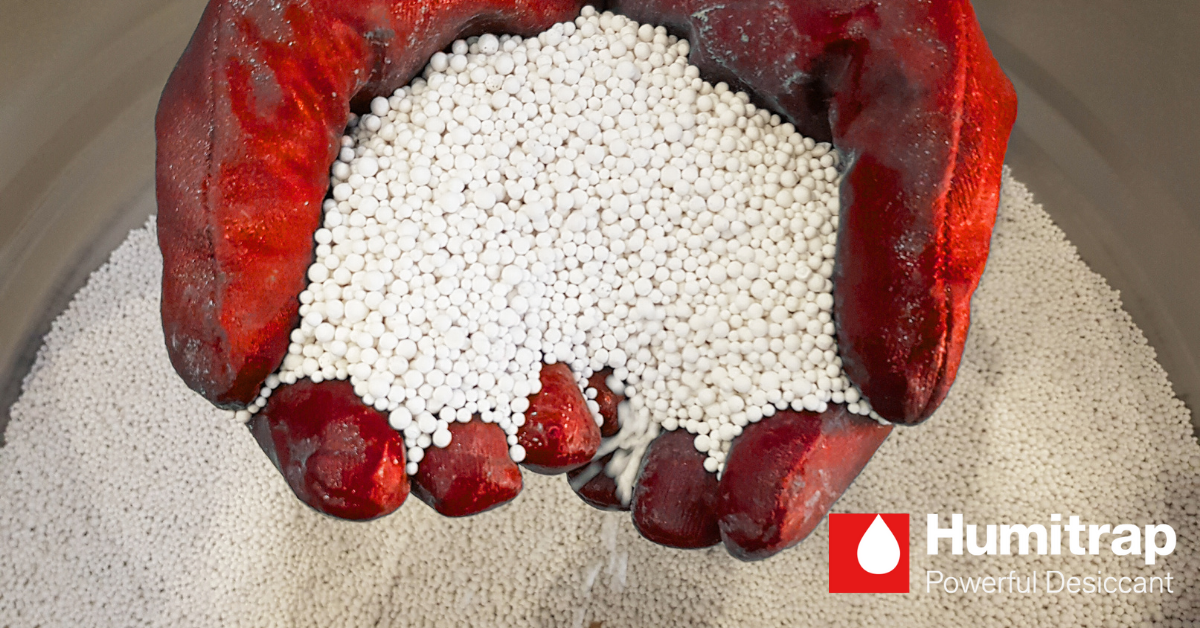
Powerful moisture control with Calcium Chloride Desiccant.
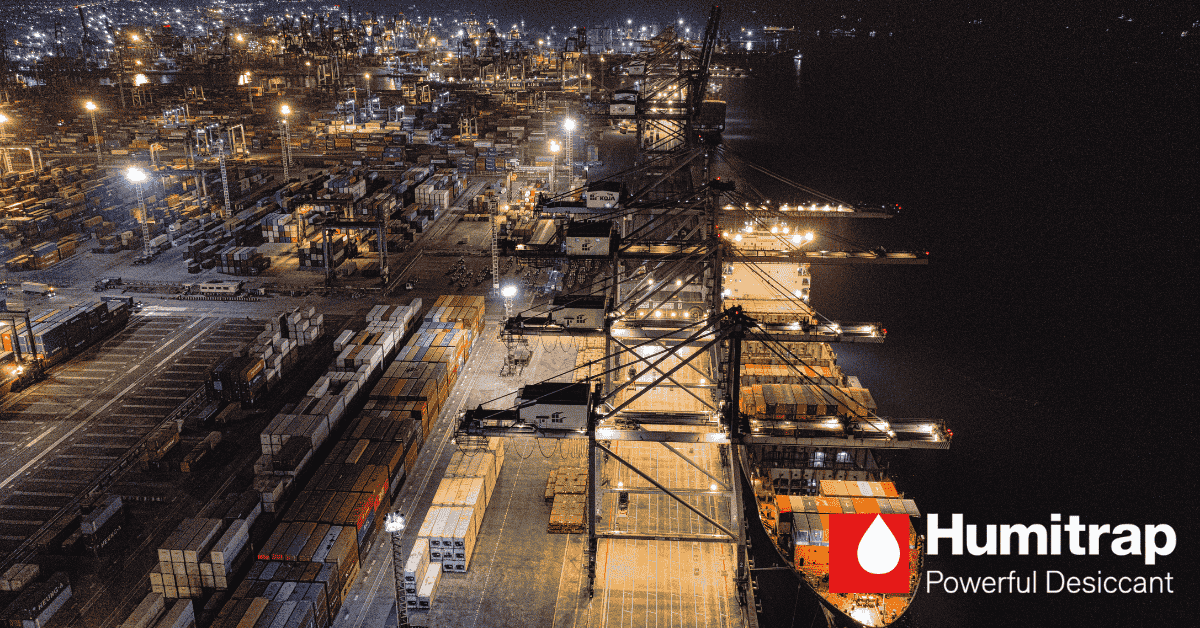
Shipping cargo across oceans or storing goods for extended periods introduces greater risks of moisture damage. Even outside the monsoon season, cargo shipments still need strong moisture protection. During long-haul sea transport, containers often pass through multiple climate zones. These changes in temperature can cause condensation to form inside, leading to what is known as container rain. This can result in soggy packaging, mold, and serious product damage. Delays at ports and extended storage in humid environments only increase the risk. That is why cargo requires dependable protection in every season. Items like furniture, textiles, electronics, and agricultural goods are especially vulnerable to humidity. Mold, corrosion, and product degradation are common outcomes of poorly managed moisture.
In these cases, using a stronger desiccant is critical. Silica gel can only absorb around 30% of its weight in moisture and often needs replacement or reactivation. For industrial desiccant needs, calcium chloride desiccant proves significantly more effective.
The Benefits of Calcium Chloride Desiccant
Calcium chloride desiccant is widely regarded as one of the most efficient moisture-control options available today. Here’s why:
- High Absorption Capacity: Calcium chloride desiccant can absorb up to 300% to 500% of its weight in moisture. This makes it far more effective than silica or clay-based alternatives.
- No Re-evaporation: It binds moisture into a solid or gel form, reducing the chance of moisture re-entering the environment.
- Long-Lasting Protection: With the ability to function effectively for up to 60 days, calcium chloride desiccants offer consistent moisture control for long-term storage and shipping.
- Reliable in Extreme Conditions: Whether it’s high humidity or fluctuating temperatures, calcium chloride maintains its performance.
- Versatile Application: Suitable for use in containers, warehouses, export packaging, and long-term storage environments.
For any business handling sensitive goods in bulk, calcium chloride desiccant is a cost-effective and high-performance solution.
Learn how to test your desiccant here.
Introducing Humitrap: Your Trusted Industrial Desiccant Partner
For those in need of a reliable calcium chloride desiccant, Humitrap offers a top-tier solution. Designed specifically for the export-import industry, Humitrap Premium is made in Indonesia and tested under real-world conditions, including the high humidity of Southeast Asia.

Humitrap is trusted as one of the best industrial desiccant solutions for global shipping.
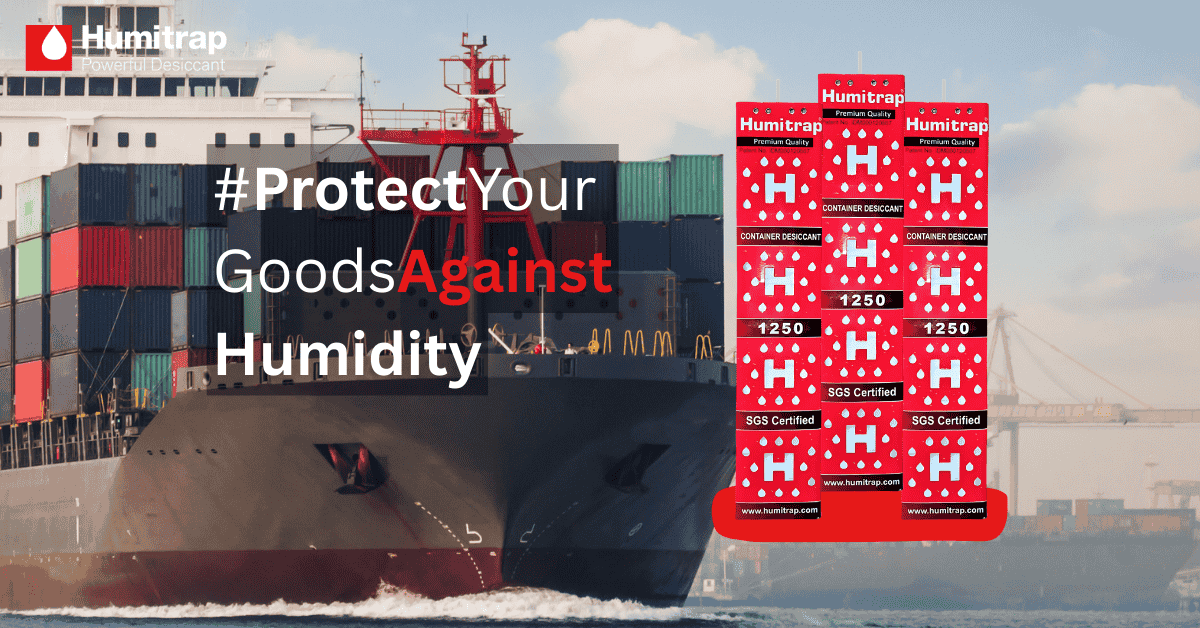
Humitrap is trusted by logistics companies, freight forwarders, and exporters worldwide. Its leak-proof design, high moisture retention, and one-way membrane ensure long-lasting protection without the risk of re-evaporation. Easy to install in cargo containers or warehouse environments, Humitrap is a practical, effective choice for protecting goods during transport.
By using Humitrap calcium chloride desiccant, businesses can reduce losses from moisture damage, improve customer satisfaction, and maintain the integrity of their products across the supply chain.
Final Thoughts
When choosing a desiccant for household use, basic silica or clay packets may be sufficient. But for industrial desiccant applications and moisture protection during shipping, nothing matches the reliability of calcium chloride desiccant.
Understanding what is a desiccant bag and selecting the right type is key to protecting your inventory and cargo. Humitrap delivers powerful moisture control tailored to the needs of global businesses. Make the smart choice before your cargo hits the ocean.