+62 811-2577-878
 NEWSLETTER



Silica gel as desiccant has long been trusted to protect products from moisture damage, especially in a variety of desiccant packages. These bead-filled packets appear in everything from electronics to pharmaceuticals. But as global shipping becomes more complex, it is time to ask: is silica gel as desiccant still good enough?
Understanding how silica gel is made, the dangers it might pose, and why solutions like calcium chloride and Humitrap are now leading the way in moisture protection will help answer that question.
Understanding Silica Gel as Desiccant and How It Is Made
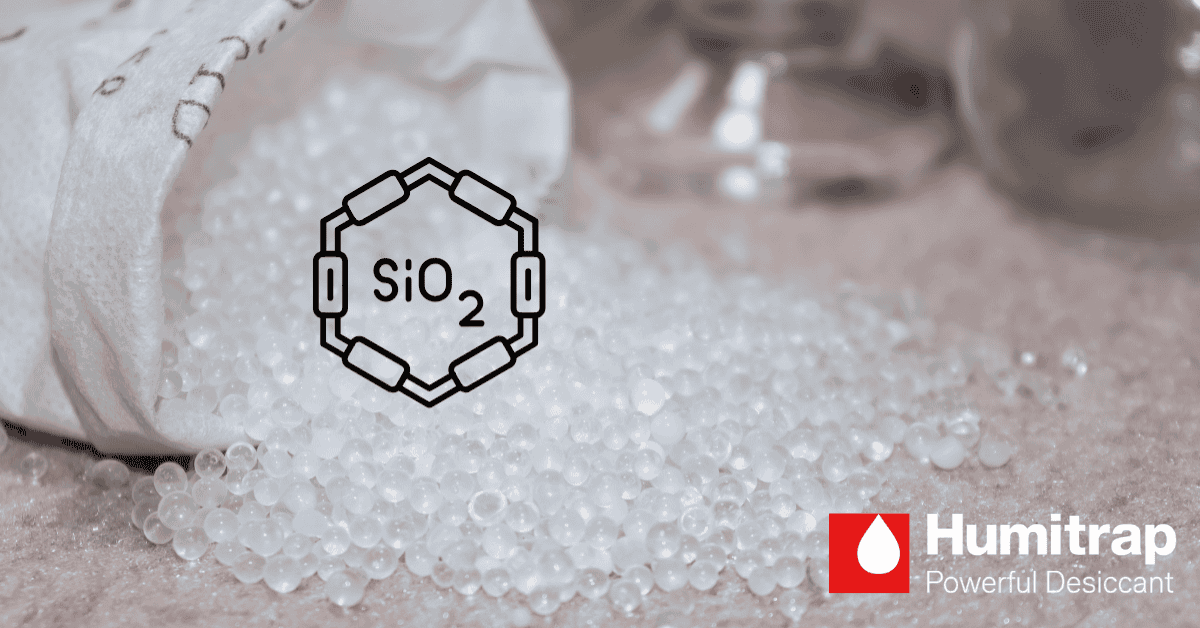
Silica gel as desiccant is a granular, porous form of silicon dioxide made synthetically from sodium silicate. The production process involves acidifying a solution of sodium silicate, forming a gelatinous substance. This gel is then washed, dried, and processed into the tiny beads you find inside a desiccant package.
Despite being called a “gel,” silica gel is actually solid. It works by adsorbing moisture onto its surface rather than absorbing it into its core. This makes it useful in small-scale packaging but less effective for industrial-scale applications.
While many see silica gel as a harmless, non-toxic product, there is more to the story.

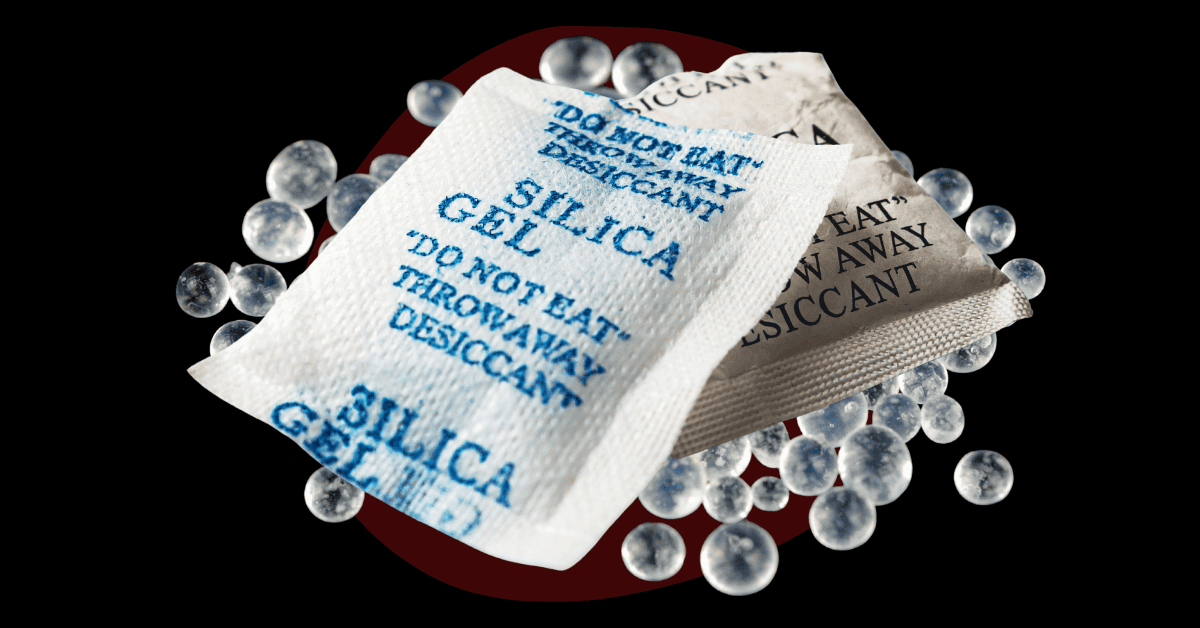
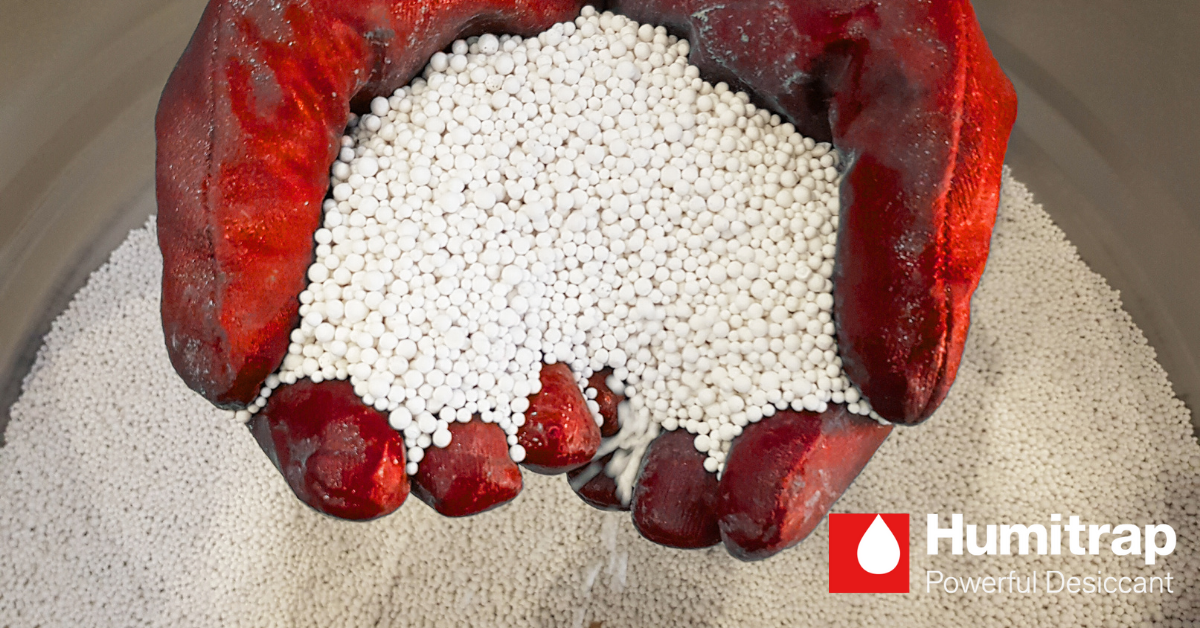
Silica gel desiccant packs offer basic moisture protection for packaged goods.
The Hidden Dangers of Silica Gel as Desiccant
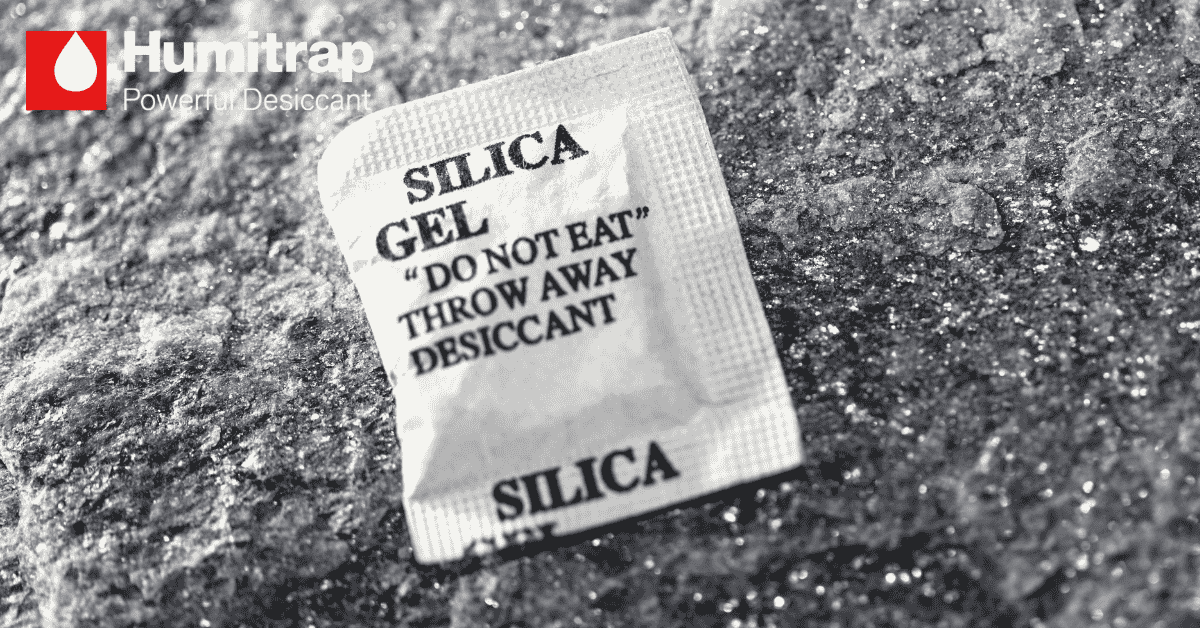
The widespread use of silica gel as desiccant often overshadows its potential risks. Although generally safe, silica gel packets often contain cobalt chloride as an indicator. Cobalt chloride is a known carcinogen that turns pink when saturated. These packets are usually labeled “Do Not Eat,” not just to prevent choking, but also to avoid ingestion of potentially harmful chemicals.
In addition to ingestion risks, silica gel can be ineffective in high-humidity environments or during long-haul shipping. When silica gel as desiccant becomes saturated, it stops working. Worse, it can release moisture back into the package if conditions change drastically, creating a risk of mold, corrosion, or spoilage.
These drawbacks are why industries are increasingly turning to better alternatives, especially in large-scale operations like export and import.
Why Silica Gel as Desiccant Is No Longer Enough
In the world of global logistics, especially for industries like agriculture, electronics, furniture, and textiles, silica gel as desiccant often falls short. Here is why:
- Limited capacity: Silica gel typically adsorbs only about 30 percent of its own weight in moisture.
- Reactivation required: To reuse it, you must heat the beads to expel moisture, which is not practical for exporters.
- Short life span: In humid climates, silica gel saturates quickly, providing minimal long-term protection.
While once revolutionary, silica gel as desiccant has not kept pace with the demands of modern supply chains.
Enter Calcium Chloride: A Modern Solution
Unlike silica gel, calcium chloride is a highly absorbent salt that draws in moisture and chemically locks it away by turning it into a stable brine or gel. This gives it a much higher moisture absorption capacity, often up to 300 to 500 percent of its weight. It is also less likely to re-release moisture, offering more reliable protection.
Many exporters are now choosing calcium chloride-based desiccant packages over traditional options. This material performs exceptionally well across long shipping durations and in high-humidity environments, making it ideal for container shipments.

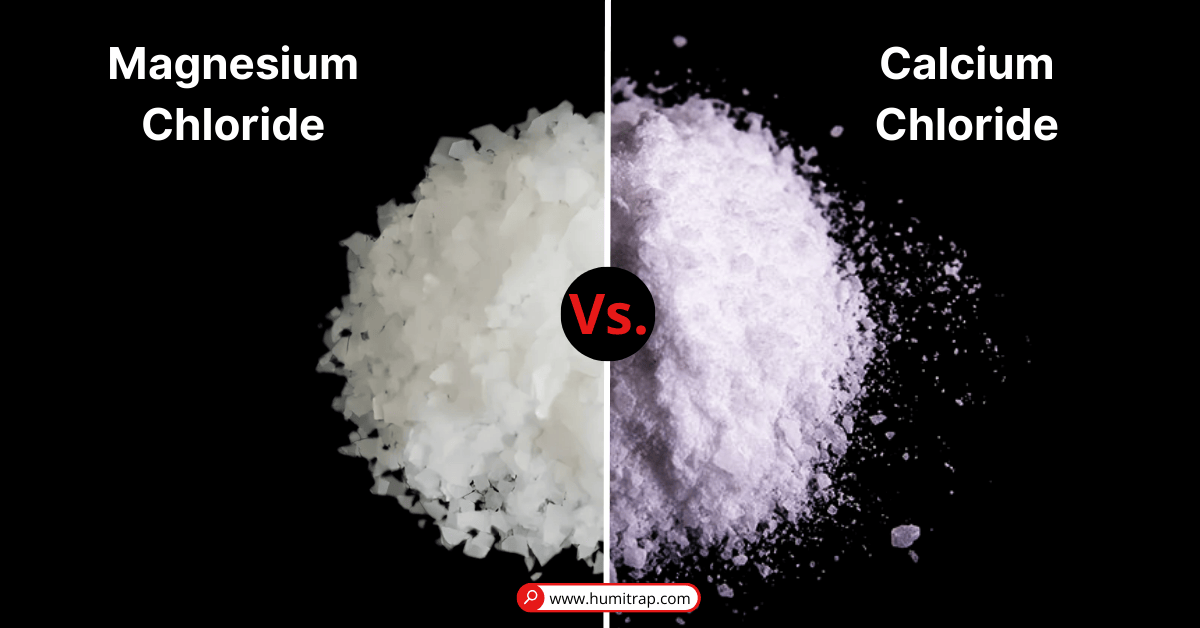
Calcium chloride is a natural desiccant ideal for high-moisture environments.
Another added benefit is that calcium chloride is a natural desiccant. It occurs naturally in the environment and is generally considered safe and food-grade when used correctly. It poses fewer health risks compared to indicator-filled silica gel products.
Why Calcium Chloride Is the Best Choice for Export and Import
When dealing with sea freight, long storage times, or cross-continental journeys, using silica gel as desiccant becomes a liability rather than a solution. Based on series of tests, here is why calcium chloride leads:
- Longer-lasting performance
- Stronger moisture retention
- Leak-proof design when gel-based
- Ideal for extreme climates and longer routes
In export and import logistics, where even a small amount of moisture can damage goods worth thousands of dollars, the reliability of calcium chloride desiccants is unmatched.
Humitrap: A Smarter Desiccant for Serious Shipments
For those searching for a modern, high-performance alternative to silica gel as desiccant, Humitrap Premium is a top choice. Designed with international shipping in mind, Humitrap uses advanced calcium chloride gel technology that locks in moisture for up to 60 days without leaks or re-evaporation.
Here is why Humitrap stands out:
- Absorbs up to 4,500 grams of moisture per unit
- SGS-certified and food-safe
- One-way membrane to prevent moisture return
- Eco-conscious and made in Indonesia with ethical labor
- Easy to install with hangers or adhesive backing
Whether you are exporting coffee beans, electronics, furniture, or textiles, Humitrap ensures your goods stay dry and intact from origin country to destination.

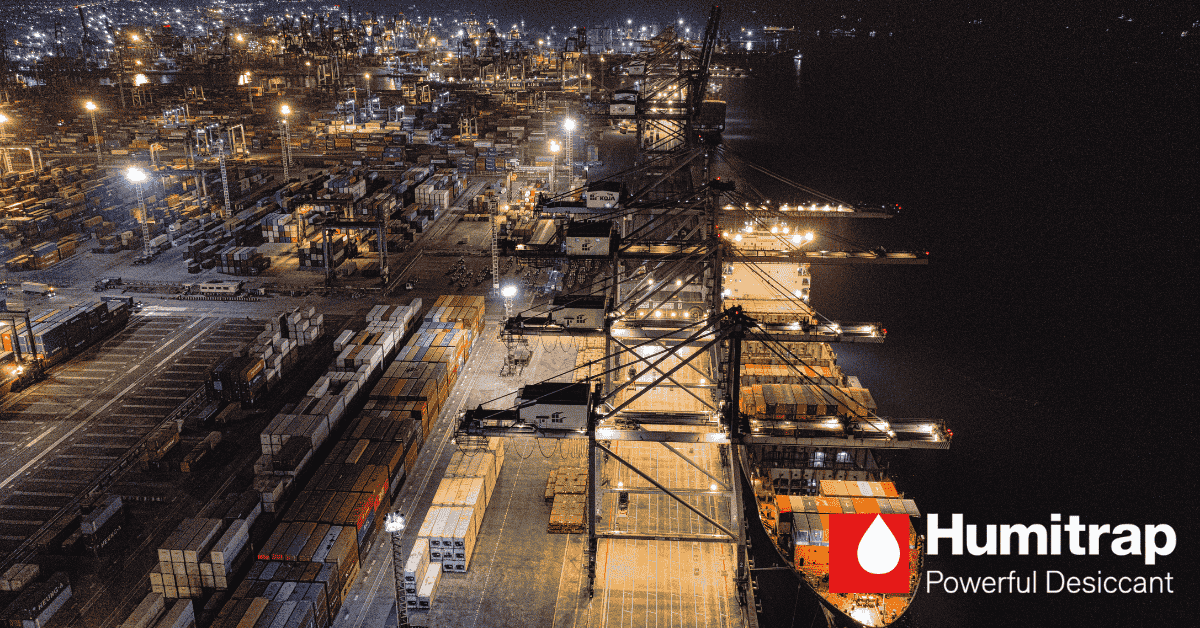
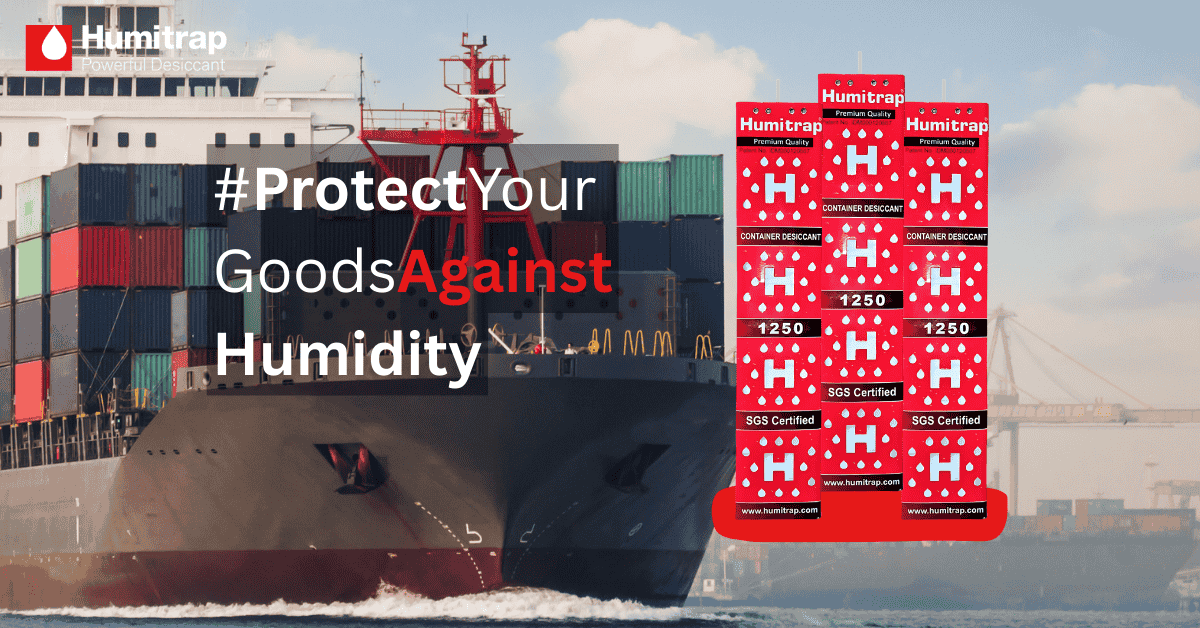
Humitrap desiccant cargo offer high moisture absorption using calcium chloride, ideal for protecting cargo during export and import.
Final Thoughts
While silica gel as desiccant has served industries well for decades, its limitations make it a risky choice in today’s demanding shipping landscape. With the rise of global trade and extreme weather patterns, businesses need moisture control solutions they can trust.
Switching from outdated silica gel to calcium chloride-based desiccant packages like Humitrap is not just an upgrade. It is a smart investment in product quality, customer satisfaction, and long-term cost savings. If you are ready to protect your goods the right way, it might be time to retire the old and embrace the future of moisture protection.