+62 811-2577-878
 NEWSLETTER



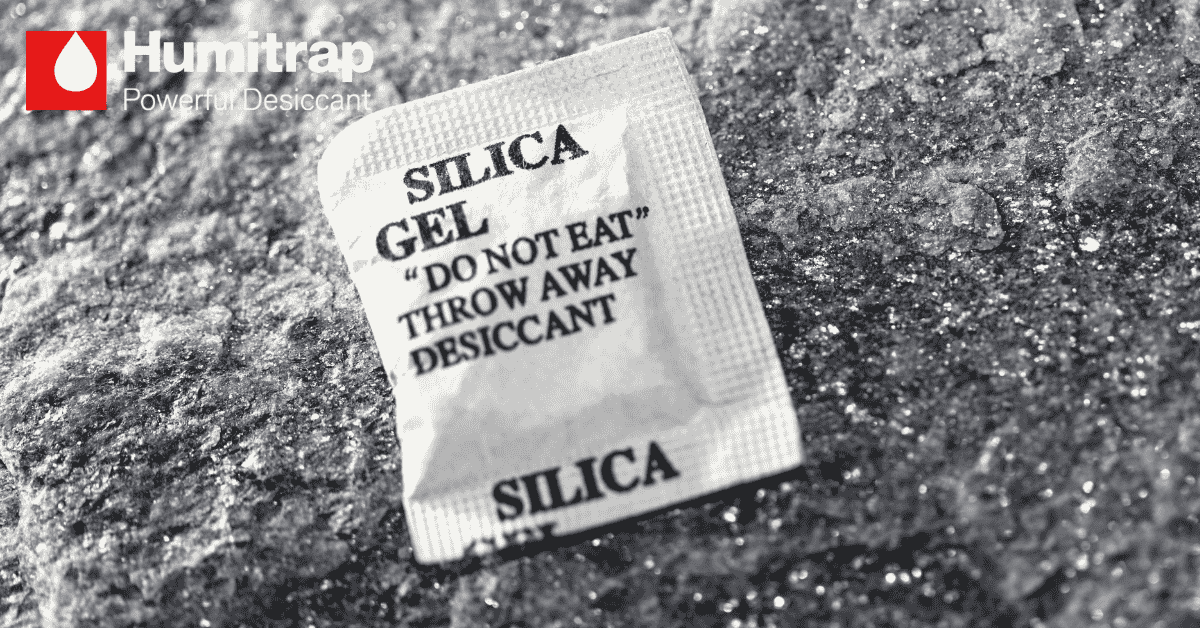
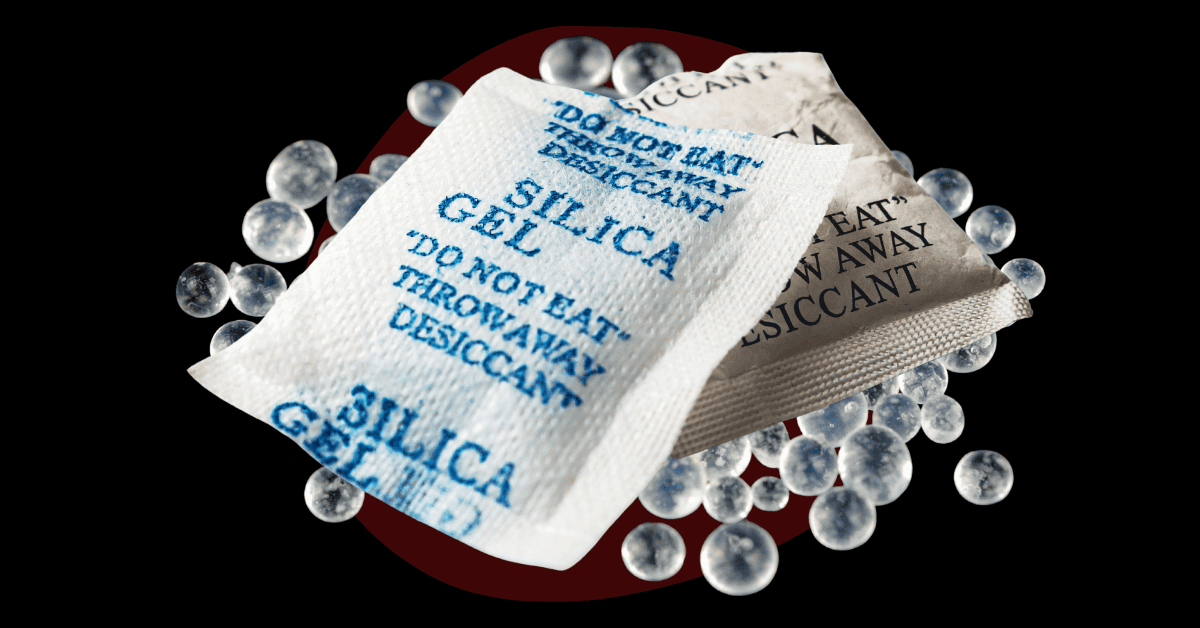
When it comes to moisture control, silica gel desiccant is a name many Australians recognise. You’ve likely seen those small packets in a new handbag or electronics box labelled “Do Not Eat.” But while silica gel is a well-known choice, is it the most effective option for industrial or cargo-scale protection?
In this article, we’ll explain what a desiccant is, compare different desiccant materials, and help you understand why modern alternatives like Humitrap desiccants may offer superior performance — especially for Australian businesses.
Desiccant Definition
A desiccant is a substance that absorbs moisture from its surroundings. It’s used to protect products from humidity-related damage such as mould, corrosion, spoilage, and caking.
Desiccants are essential for:
- Protecting shipped goods during sea freight
- Preserving electronics, pharmaceuticals, and food products
- Long-term storage in humid or coastal climates (very relevant in parts of Australia)
Types of Desiccant Material
While silica gel is the most commonly known type, it’s just one of several options. Here are the main desiccant materials used today:
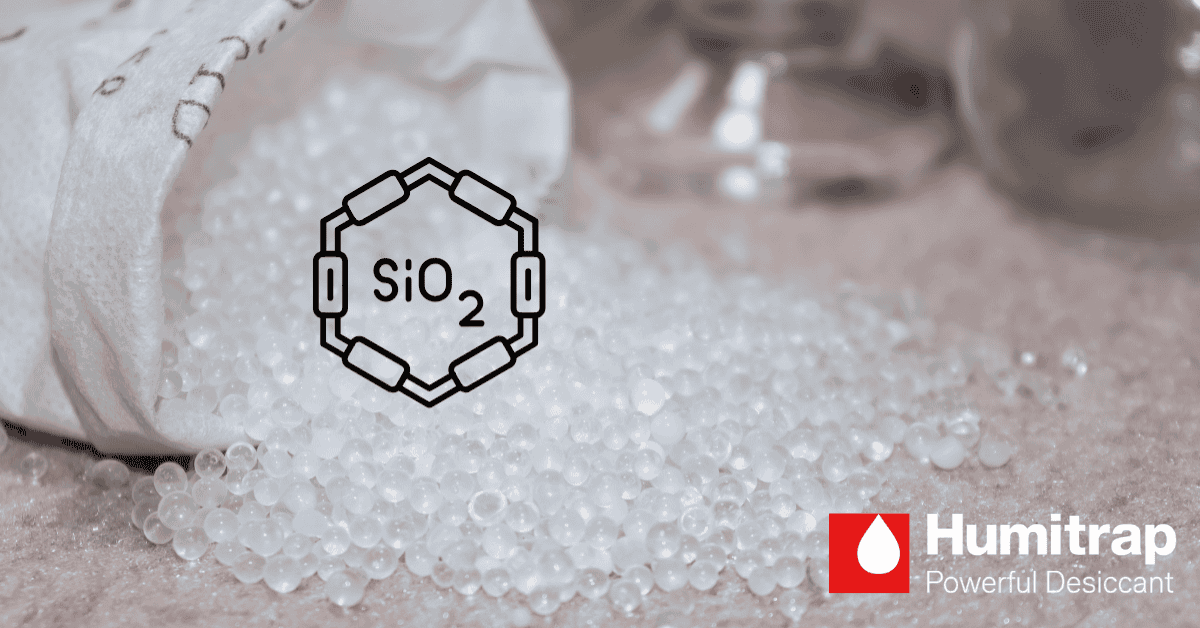
1. Silica Gel Desiccant
- Made from silicon dioxide
- Absorbs up to 30-40% of its weight in moisture
- Reusable when re-dried
- Ideal for small packages and moderate humidity
2. Clay Desiccant
- Natural, low-cost
- Performs well in moderate humidity
- Limited performance in high-humidity environments
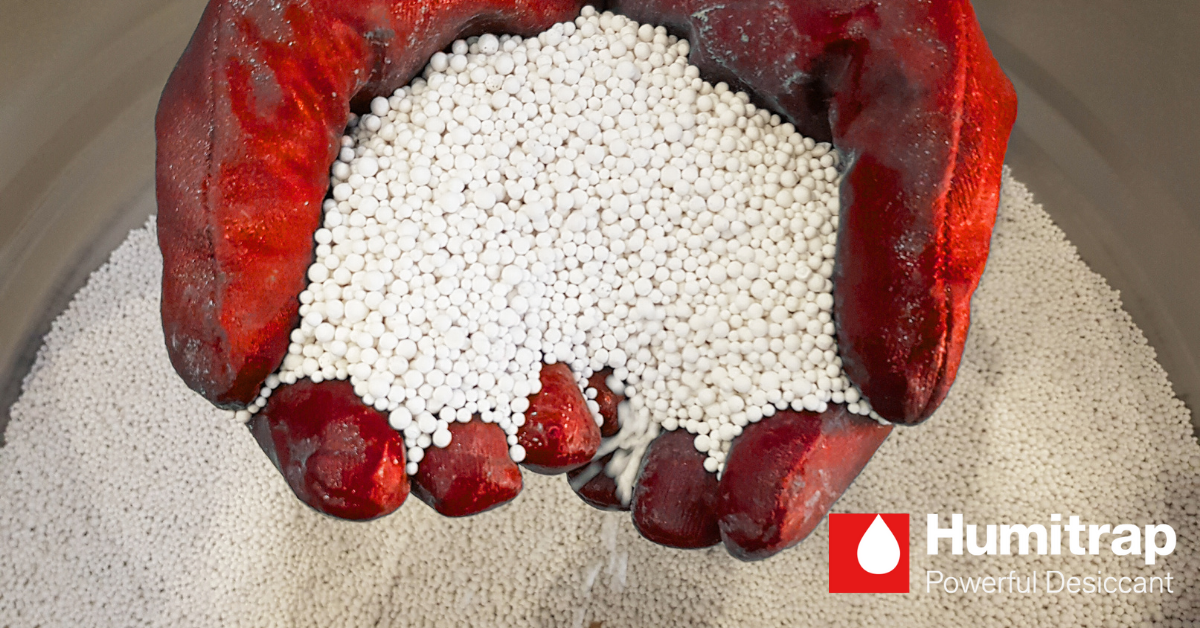
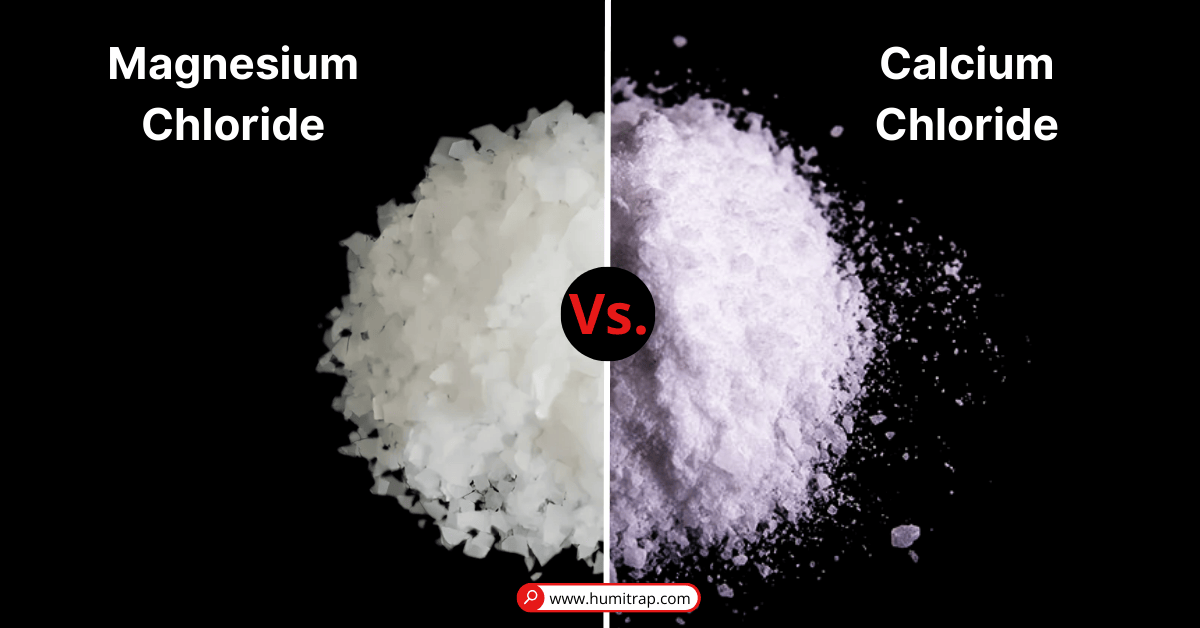
3. Calcium Chloride Desiccant (e.g. Humitrap)
- Absorbs up to 300% of its weight
- Ideal for high-humidity or long-term container storage
- Often combined with a leak-proof gel to prevent liquid release
- Used widely in shipping, agriculture, and industrial export
Why Silica Gel May Not Be Enough
Silica gel desiccant is commonly used in small-scale or short-term applications, such as packaging for consumer electronics, leather goods, or vitamins. It is a familiar choice for keeping individual items dry during storage. However, when dealing with large-scale exports from Australia, including agricultural products, industrial equipment, or sensitive electronics, silica gel desiccant may not be the most reliable solution.
One major limitation of silica gel desiccant is its relatively low moisture absorption capacity. It typically absorbs about 30 to 40 percent of its weight in moisture. In contrast, more advanced desiccant materials such as calcium chloride can absorb up to 300 percent, making them far more suitable for high-humidity or long-duration conditions. Silica gel desiccant also becomes saturated relatively quickly in environments with consistent humidity, at which point it stops protecting the contents from moisture damage.
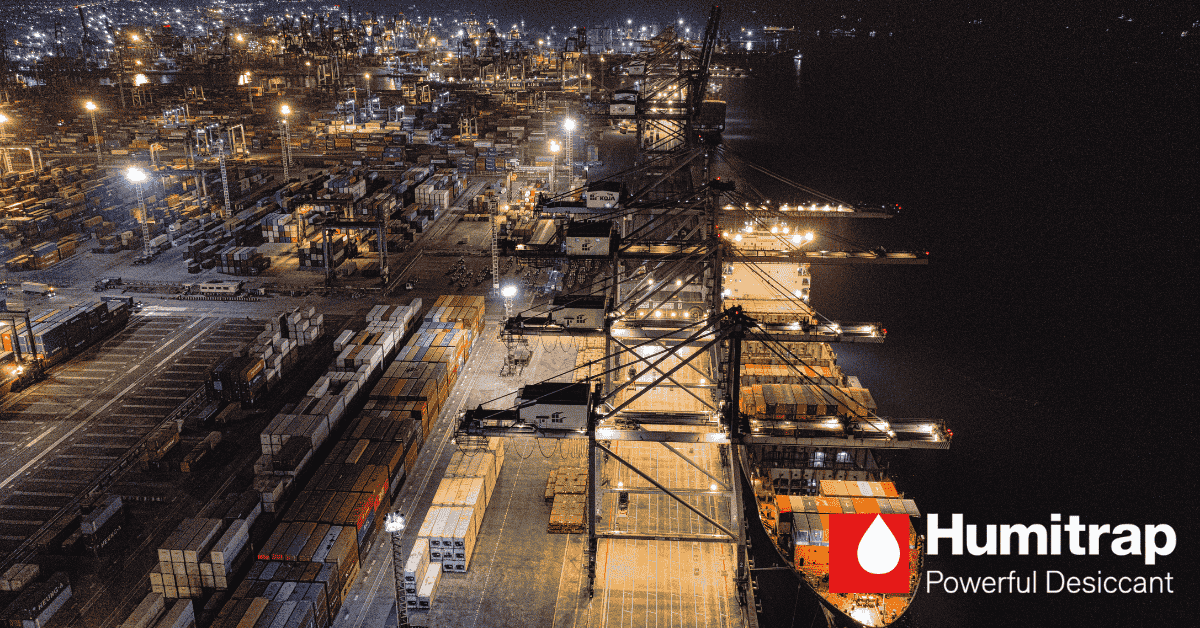
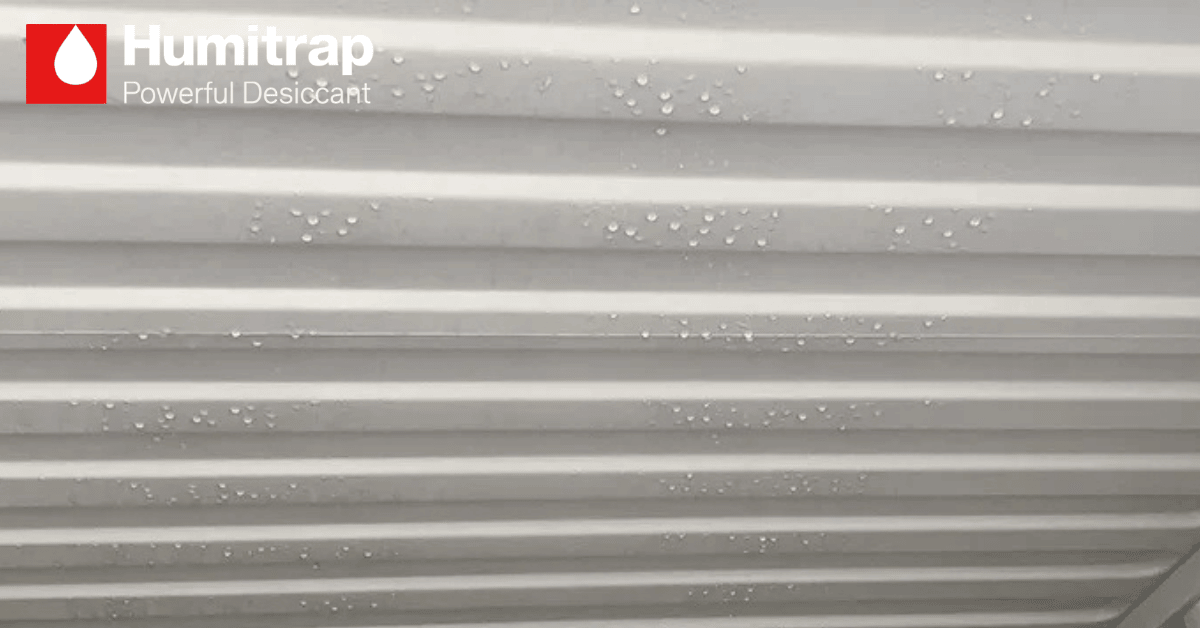
This is especially relevant for exporters in humid areas of Australia, such as Queensland and Western Australia. In these regions, temperature changes between day and night often cause moisture in the air to condense on the walls of shipping containers. This phenomenon, known as container rain, can result in mold growth, corrosion, soggy packaging, and product degradation. Silica gel desiccant alone often lacks the capacity to prevent these outcomes during long-distance shipments.
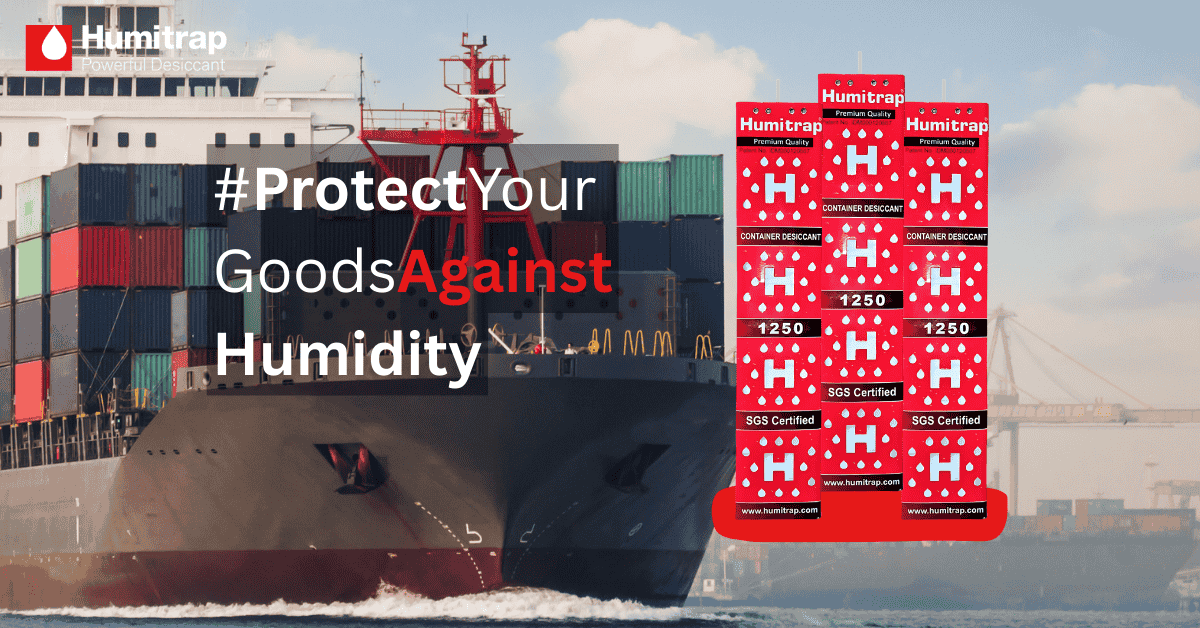
To overcome these challenges, many Australian businesses are turning to more effective alternatives like Humitrap desiccants. These products are designed to handle high moisture environments for longer periods. Unlike silica gel desiccant, Humitrap uses high-performance calcium chloride and leak-proof technology to absorb significantly more moisture and reduce the risks of condensation-related damage.
Although silica gel desiccant still plays a useful role in protecting individual retail items or small shipments, it is not always the best choice for larger cargo or extended transit times. For businesses exporting valuable goods across varying climates, switching to a higher capacity desiccant solution can offer better protection and peace of mind.
Why Choose Humitrap Desiccants?
Humitrap desiccants are designed for demanding environments. Made from high-grade calcium chloride, they provide:
- Superior moisture absorption for cargo, containers, and warehouse storage
- Leak-proof design that turns absorbed moisture into gel
- Food-safe and non-toxic formulation
- Custom sizes for cartons, pallets, and containers
Whether you’re exporting wine, grains, electronics, or textiles, Humitrap helps you maintain product integrity from origin to destination.
Choosing the Right Desiccant for Your Business
If you’re still using silica gel for container shipments or large-scale storage, it may be time to reconsider. Ask yourself:
- Are you shipping in tropical or coastal climates?
- Do your goods spend weeks at sea?
- Have you had issues with mould, rust, or soggy packaging?
If you answered yes to any of these, upgrading your moisture protection with a modern desiccant material like calcium chloride, the one used in Humitrap is a smart move.
Final Thoughts
While silica gel desiccant still has its place, it’s not a one-size-fits-all solution. As Australian businesses face longer shipping routes and more humid climates, switching to advanced desiccants like Humitrap ensures better product protection and fewer costly claims.
Desiccant definition is simple — but choosing the right one makes all the difference.
Stay dry. Stay protected. Choose smarter.