+62 811-2577-878
 NEWSLETTER



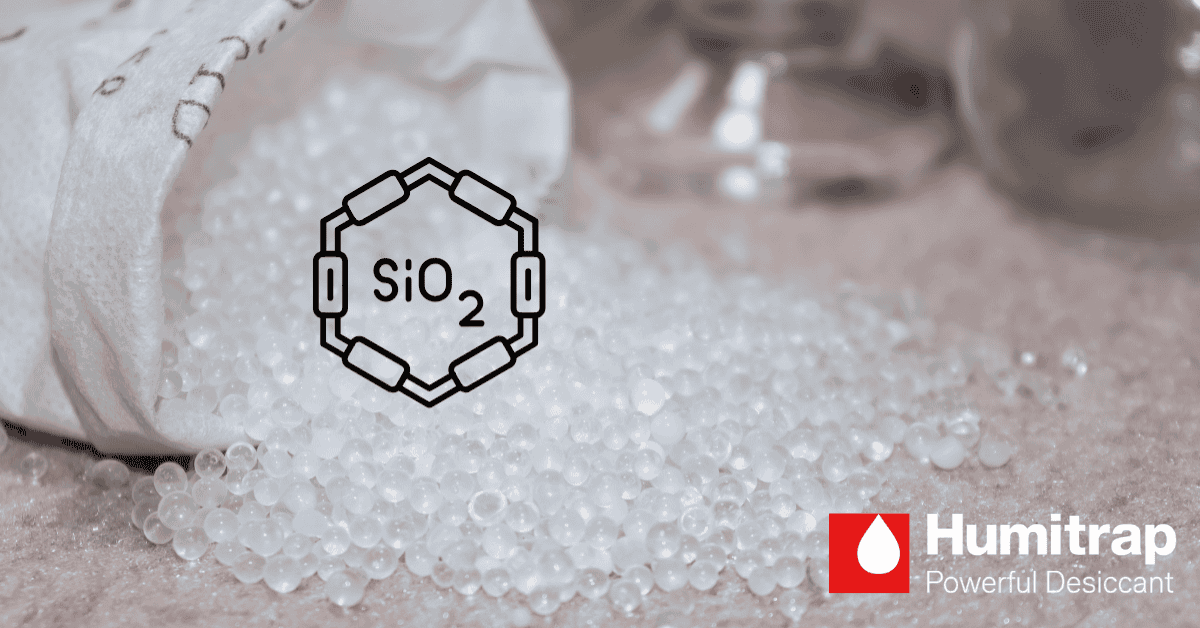
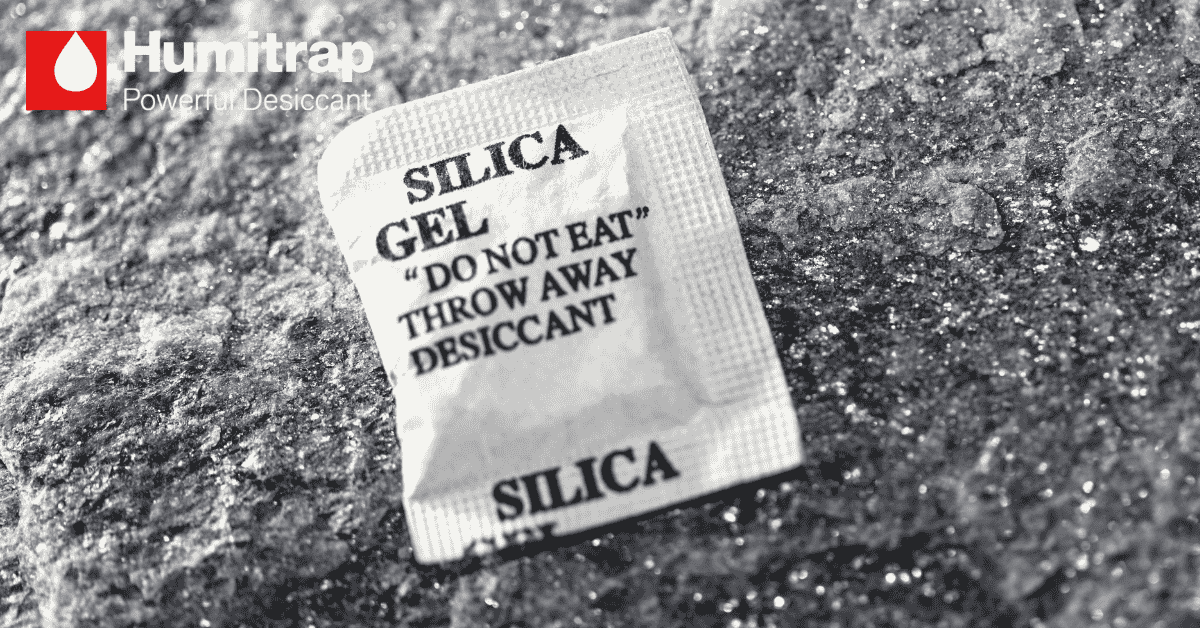
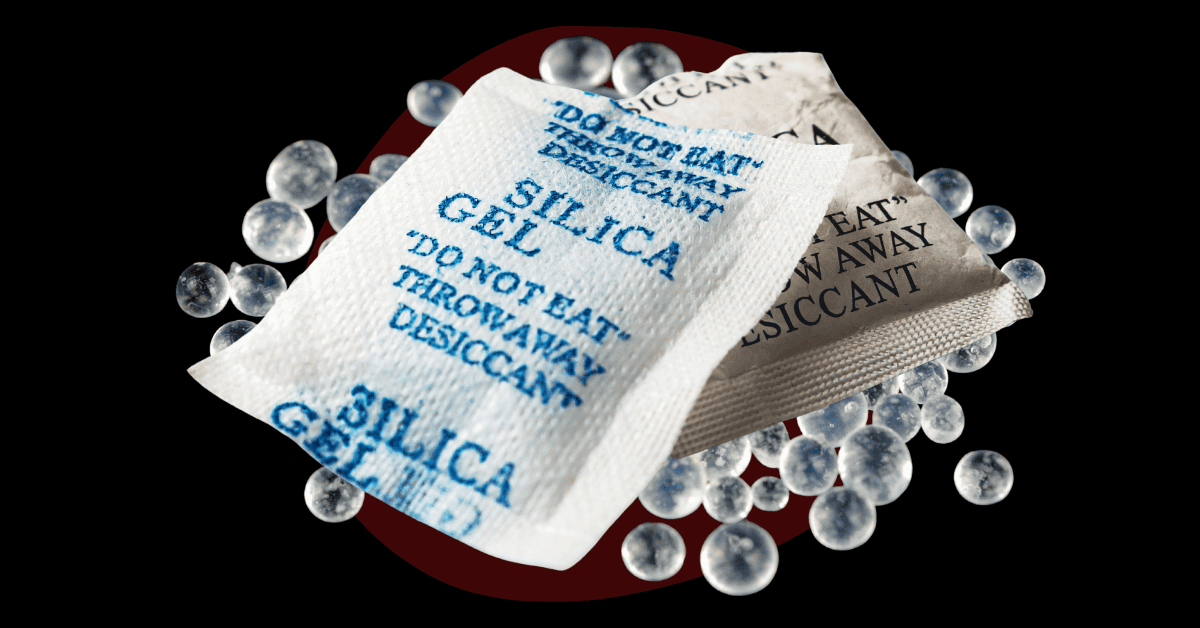
Silica gel moisture absorber packets are a familiar sight, often tucked inside new handbags, camera boxes, or supplement bottles. These tiny white sachets labeled “Do Not Eat” are the most common tools used to keep products dry during storage and transport.
But while these little packets are everywhere, are they still the best choice for professionals managing large shipments, warehouse inventory, or long-haul exports?
If you’re in your 30s or 40s and juggling business operations, supply chains, and customer expectations, the answer might surprise you.
Understanding the Basics of Silica Gel
Silica gel is made from silicon dioxide and works by adsorbing water vapor onto its surface. It’s lightweight, affordable, and chemically stable. For decades, companies have trusted it to protect sensitive products from humidity, especially in packaging.
Silica gel is made from sodium silicate, a compound derived from sand. The production process begins by reacting sodium silicate with sulfuric acid, forming a gel-like substance composed of silicon dioxide (SiO₂), the same material found in quartz. This gel is then washed, aged, and dried into the hard, porous beads that make up traditional silica gel moisture absorber packets. The internal structure of these beads contains millions of microscopic pores, which create a large surface area capable of adsorbing moisture from the surrounding environment. Though the material itself is chemically inert and non-toxic, it’s typically labeled as you know, “Do Not Eat”, to avoid accidental ingestion.
While silica gel moisture absorbers are generally considered safe and non-toxic, there are still some risks to be aware of. The biggest concern is accidental ingestion, especially by children or pets, since the small packets are often found in food packaging or vitamin bottles. Although most silica gel is chemically inert, some varieties include indicator chemicals like cobalt chloride, which can be toxic if swallowed. Additionally, because silica can release moisture under certain temperature conditions, it may create a false sense of security in high-risk storage or shipping situations—leading to unexpected mold, rust, or spoilage. That’s why it’s important to evaluate not just safety, but also performance and reliability, especially in professional or industrial use.
Common uses for silica include:
- Shoe boxes, handbags, and apparel
- Electronics and tools
- Vitamins and dry food packages
- Camera lenses or gear
- DIY home storage bins
For smaller, enclosed environments, silica packets often do the job. But that doesn’t mean they’re always the right tool—especially when the scale or humidity rises.
The Internal Debate: Is Silica Gel Moisture Absorber Still Cutting It?
Let’s say you’re preparing a $25,000 shipment of furniture headed from California to Southeast Asia.
You ask yourself:
“Can I just throw in a few silica gel moisture absorbers?”
You might think, “They’re cheap and easy. I’ve used them before. Should be fine…”
But then the second voice kicks in, the one that remembers a client complaint last year:
“Yeah, but remember that container last summer? We used silica and still had mold on arrival. The customer wasn’t happy.”
Now you’re weighing risks. The silica gel you’re used to only absorbs about 25–30% of its own weight in moisture. You know it’s fast to saturate, and after that, it’s done. If conditions are hot and humid, it might even release moisture back into the air, a BIG problem you definitely don’t need.
In that moment, the choice becomes clearer: There has to be a better option.
Why Professionals Are Switching from Silica Gel Moisture Absorber to Calcium Chloride

Smart storage starts here, explore top desiccant packets uses for food, electronics, textiles, and more.
As you know desiccant packets are commonly used to protect products from moisture damage during storage and transit. Typical desiccant packets uses include keeping electronics, leather goods, pharmaceuticals, food items, and textiles dry by reducing humidity in sealed packaging. They’re essential for preventing mold, corrosion, and spoilage. Calcium chloride desiccant packs are quickly replacing silica in large-scale operations and this decision was made for a plenty lot of reasons.
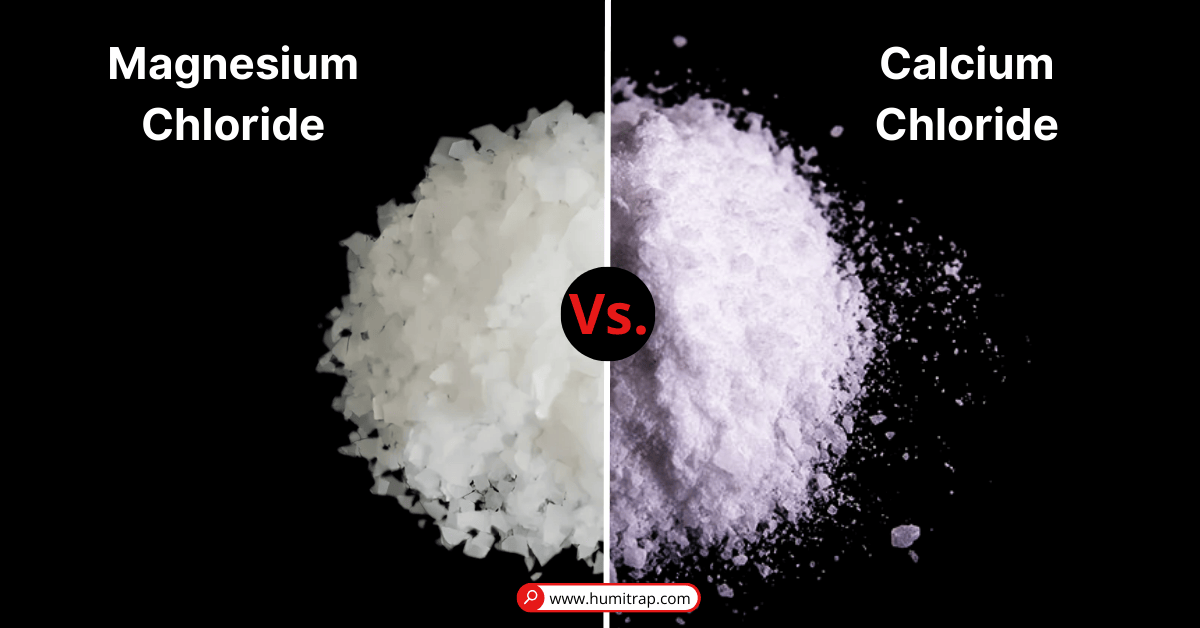
Unlike silica, calcium chloride chemically pulls in moisture and traps it as a thick gel. That means:
- No re-evaporation
- No leaks
- Much higher absorption capacity, up to 10 times more than silica
- Protection that lasts for 30 to 60 days, not just a few hours
You think back to that last ocean shipment. You know what the environment inside a sea container is like: heat, condensation, temperature swings. Silica can’t hold up under those conditions. But calcium chloride? It thrives in them.
Real-World Decisions: A Practical Example
Constant corrosion issues bound to happen for overseas shipments, despite using dozens of silica packets. The main problem? Humidity outpaced absorption. You are helping yourself by switching from silica gel moisture absorber to calcium chloride-based packs,.
No more guesswork. No more costly returns. Just protection that works.
Meet Humitrap Premium: Desiccant That Actually Delivers

Humitrap Premium Desiccant packets uses include protecting food, electronics, and textiles from moisture damage during shipping and storage.
When it comes to high-stakes shipping and reliable moisture control, Humitrap Premium is setting the new standard.
Designed with a calcium chloride gel formula, each unit of Humitrap Premium absorbs up to 4,500 grams of moisture, turning it into a leak-proof gel that stays locked in for up to 60 days. It’s SGS-certified, safe for food use, and trusted by exporters, importers, and freight forwarders in over 3,500 containers each month.
Whether you’re shipping wood furniture, electronics, textiles, or food products, Humitrap offers confidence that silica just can’t match.
For the installation? It’s a breeze, you only need to hang it, stick it, or slide it into place. You’re done.
The Final Thought: Are You Still Using Silica Gel Moisture Absorber Out of Habit?
You’ve got a lot on your plate, start from supply chain issues, customer satisfaction, cost efficiency. The last thing you need is a preventable moisture issue cutting into your profit margin or reputation.
So ask yourself:
“Am I using silica gel moisture absorbers because they work or because they’re familiar with me?”
Because in today’s logistics environment, doing what you’ve always done might not be good enough anymore.
Switching to calcium chloride desiccant packs, like Humitrap Premium Dessicant isn’t just an upgrade. It’s protection that scales with your operation and grows with your standards.
Want to Get Your Own Humitrap Premium Desiccant?
We would gladly help, get your own price now.