+62 811-2577-878
 NEWSLETTER




India’s monsoon season is a critical climatic event that shapes not only agriculture but also trade and logistics. For importers and exporters, especially those relying on sea cargo, the India monsoon seasons can be a time of risk, disruption, and financial uncertainty.
This article explores when monsoon season in India occurs, how long will monsoon last, the dangers it poses to shipping, and how desiccant technologies like calcium chloride packets, specifically Humitrap Premium, play a vital role in protecting cargo through advanced moisture absorption.
When Monsoon Season in India Begins
India experiences its monsoon primarily in two phases:
- Southwest Monsoon (Primary monsoon):
- Begins: Late May to early June, starting from Kerala.
- Peak: June to September
- Retreat: By mid-October
- Northeast Monsoon (Secondary, for South India):
- Begins: October to December
- Impacts: Tamil Nadu, southern Andhra Pradesh, and parts of Karnataka.
So, when monsoon season in India typically starts is early June, but weather agencies now track shifting patterns due to climate change. In recent years, the monsoon has arrived early or retreated late, increasing uncertainty for sea cargo schedules.
How Long Will Monsoon Last?
Generally, the monsoon lasts for 4–5 months, with peak intensity between June and September. However, exact duration can vary by region:
- Western India (Mumbai, Gujarat): heavy rains from June to September
- North India (Delhi, Uttar Pradesh): mostly July to early October
- Eastern India (Kolkata, Assam): May to October with high humidity
- Southern India: affected by both monsoons, extending total rainfall season
For cargo planners, this extended timeline raises concerns: shipments passing through tropical ports may face persistent humidity and rainfall for nearly half the year.
Dangers of Monsoon to Sea Cargo

The risks in India Monsoon Season
The India monsoon seasons bring more than just rain, here you must know, they introduce serious risks to global trade via sea. Here’s how:
1. High Humidity & Condensation
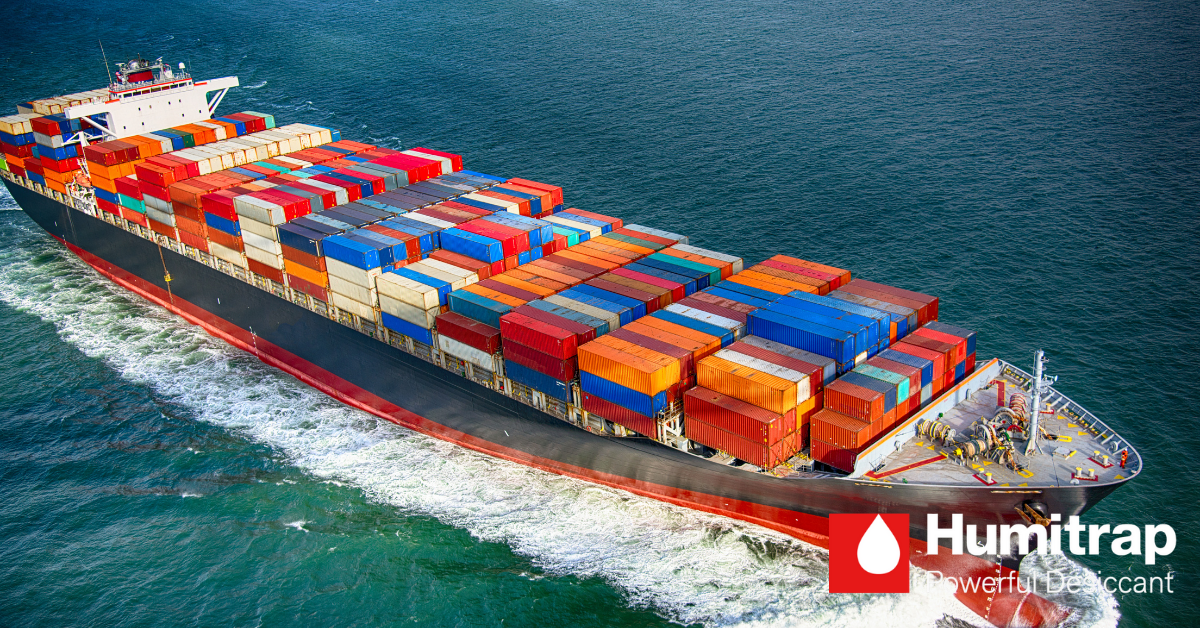
Shipping containers loaded during monsoon months trap moist air. As containers move through different climates, temperature shifts cause condensation, leading to:
- Mold growth on textiles, leather, paper, and grains
- Rusting of metals and machinery
- Degradation of packaging and branding materials
- Musty odors in apparel and furniture
This is often called container rain, and it is a primary cause of product damage during monsoons.
2. Heavy Rain and Port Delays
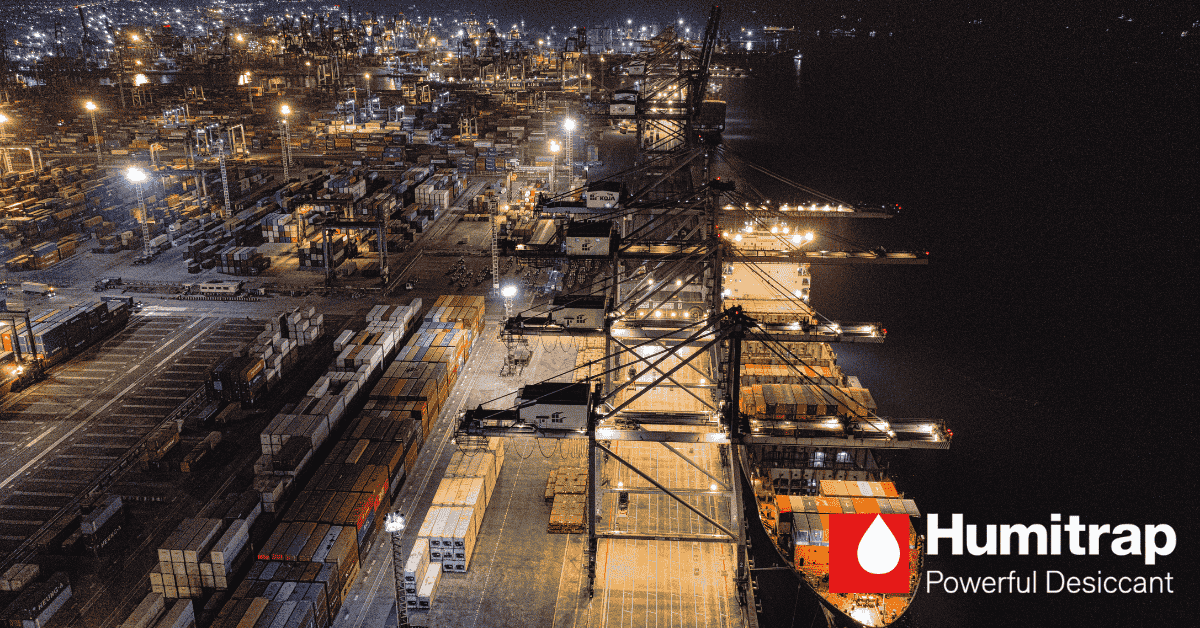
Indian ports like Mumbai, Chennai, Kochi, and Kolkata are hit by torrential downpours. Operational challenges include:
- Flooded storage yards
- Delayed loading/unloading
- Cargo exposure during handling
- Increased vessel congestion and queuing
- Supply chain interruptions
3. Cargo Claim Risk and Brand Damage
Delayed, damaged, or spoiled cargo affects both exporter and importer:
- Insurance claims may not cover preventable damage like moisture
- Buyers may reject shipments or demand discounts
- Reputation and trust are eroded
Why Moisture Absorption is Critical During Monsoon
To counter monsoon effects in general, not only when monsoon season in India, shippers must manage moisture absorption inside containers and warehouses.
How It Works:
- Desiccants are placed inside sealed containers.
- These absorb excess moisture from the air.
- When high humidity or condensation occurs, the desiccant traps the vapor, preventing it from settling on the goods.
- This maintains a stable, dry microclimate within the cargo area.
The Role of Calcium Chloride Packets
Not all desiccants are created equal, especially if you plan to ship your goods during the intense India monsoon seasons.
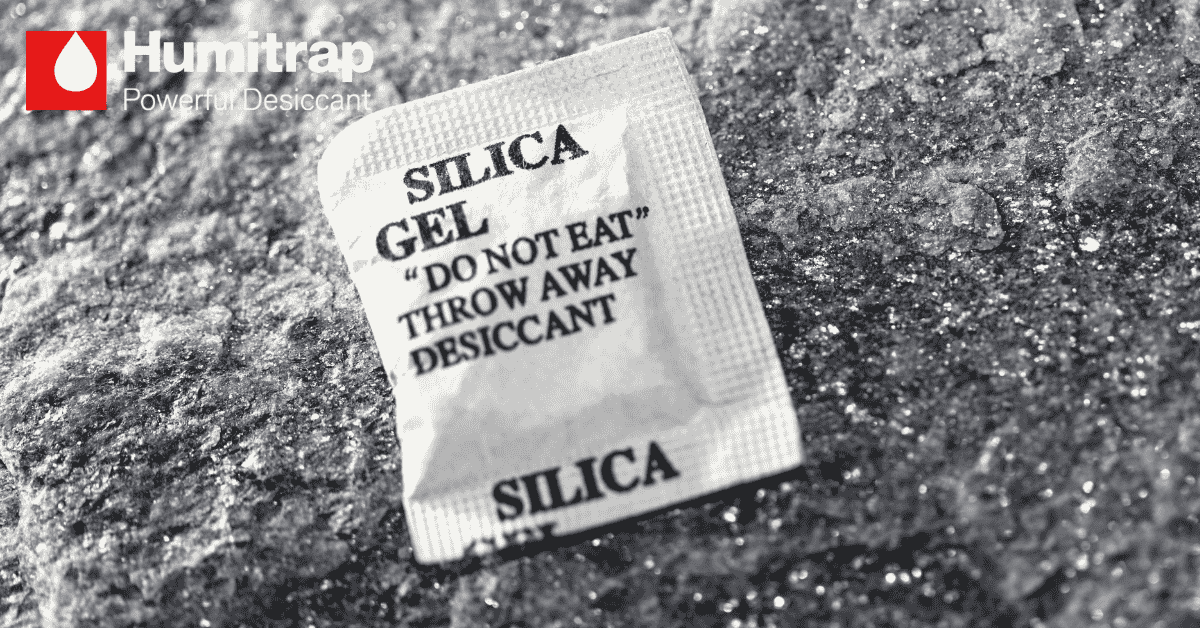
Take the case of a furniture exporter in central India. They were using silica gel to protect wooden cabinets during shipment. But even with multiple sachets, moisture still crept in. Upon arrival, pieces showed signs of swelling and warping. Silica gel had simply reached its limit too quickly.
In another case, a Southeast Asian spice supplier switched to calcium chloride packets after experiencing clumping and mold issues during storage in humid warehouses. Once they made the change, the environment inside their containers remained dry for the full transit period, even after over 45 days journey at sea.
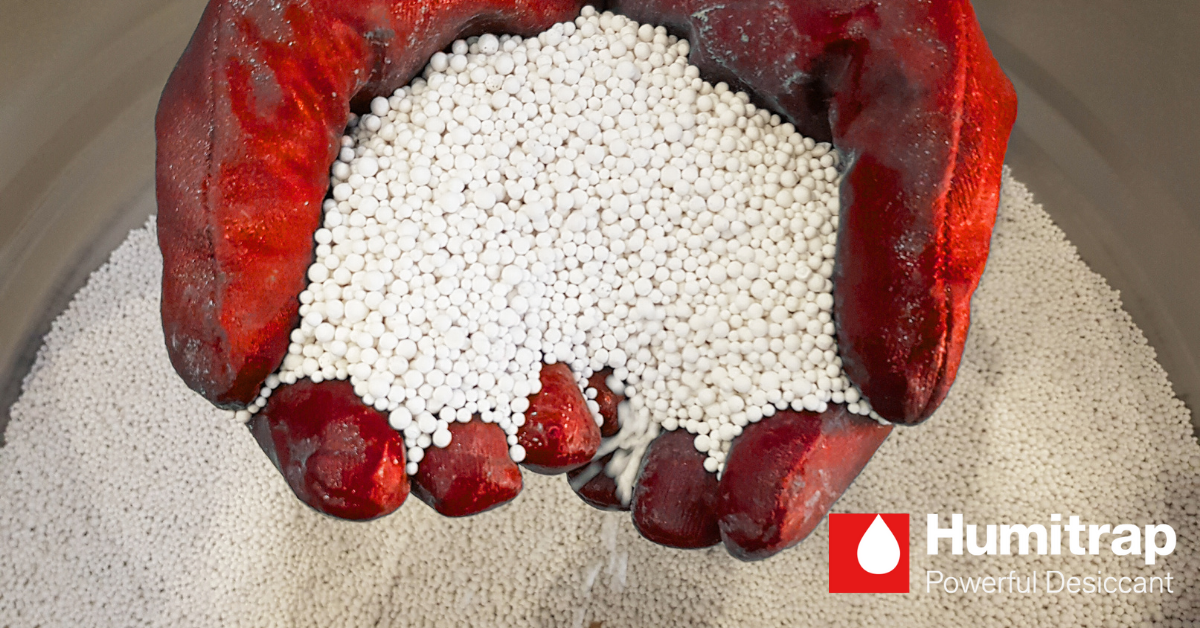
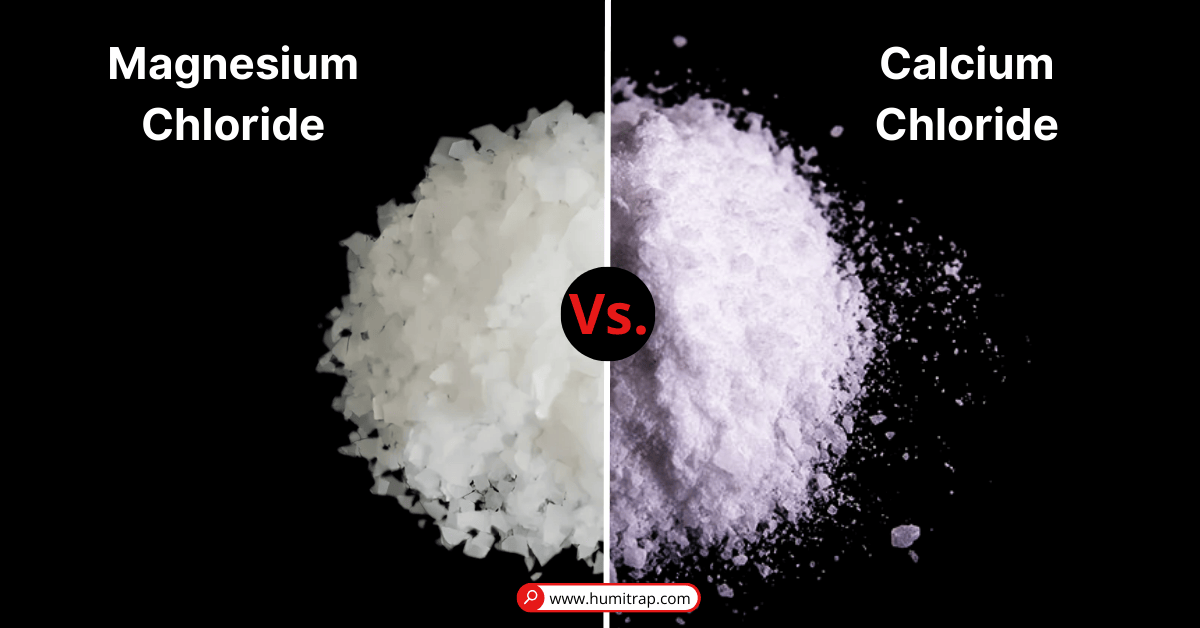
Unlike silica, calcium chloride doesn’t just absorb, it has the capability to transforms. It captures moisture from the air and turns it into a gel, locking it away for good. No re-evaporation. No mess. Just consistent protection.
Introducing Humitrap Premium: Monsoon-Ready Moisture Protection
Not every desiccant can stand up to India’s monsoon, but Humitrap Premium is designed for exactly that and more not only for cargo when monsoon season in India.
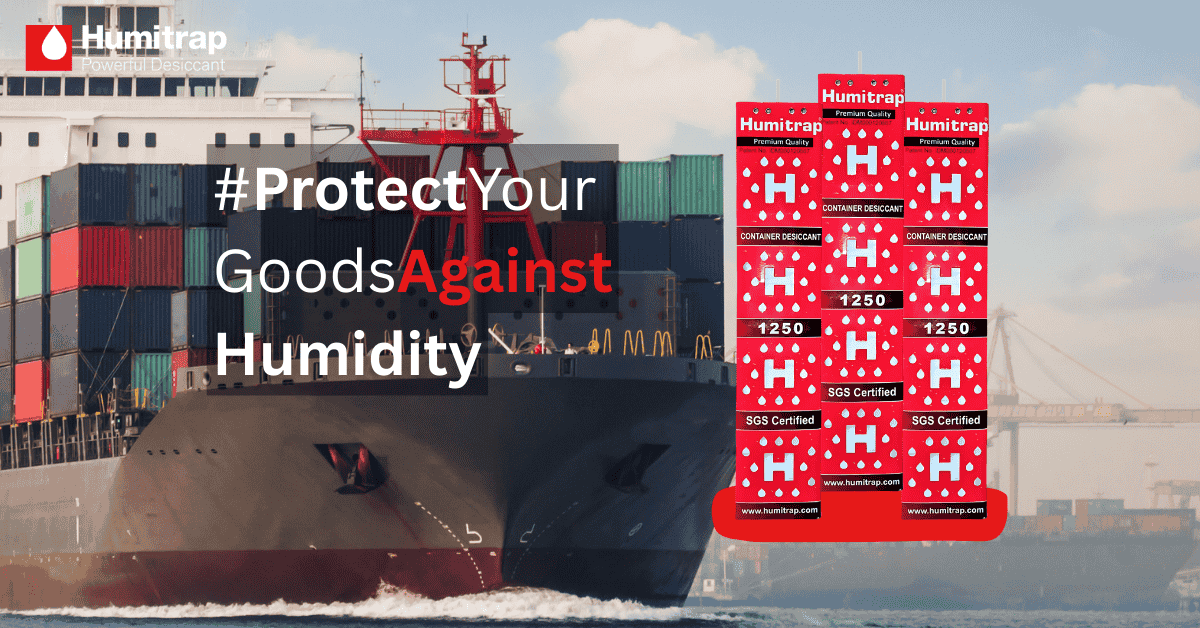
Engineered with calcium chloride gel technology, Humitrap Premium delivers long-lasting, reliable performance for even the most moisture-sensitive cargo.

Rely on Humitrap Premium as Moisture Absorption
Why supply chain professionals rely on Humitrap Premium:
- Absorbs up to 4,500 grams of moisture per unit
- Eco-safe, food-grade, and SGS certified
- No leaks — thanks to a gel-lock system and dual-layer packaging
- One-way membrane to prevent re-evaporation
- Installs easily with hanger and adhesive tape
- Stays effective for up to 60 days
- Already used by more than 3,500+ containers each month
Whether you’re shipping textiles, electronics, food, or furniture, Humitrap Premium ensures your goods arrive exactly how you packed them, dry, clean, and claim-free.
Case in Point: Textile Exporter Beats the Monsoon
A well-known furniture exporter in struggled with dampness and odor in fabric shipments every monsoon. Even after trying silica gel, the results remained disappointing.
After switching to Humitrap Premium, they saw a drop in moisture-related complaints. Claims disappeared, and customer confidence returned.
This wasn’t just about controlling humidity, it was about protecting reputation, reducing waste, and maintaining global trust.
Monsoon Planning Checklist for Exporters
To protect your sea cargo during the India monsoon seasons, follow this checklist:
✅ Choose high absorption capacity desiccants like Humitrap Premium Desiccant
✅ Avoid relying solely on silica beads
✅ Seal containers properly to reduce humid air intake
✅ Store cargo off the ground and under cover while loading
✅ Monitor transit time and regional humidity forecasts
✅ Coordinate with freight forwarders during monsoon delays
✅ Document desiccant placement to support claims if needed
Final Thoughts
As someone in export-import scene, understanding when monsoon season in India starts and how long will monsoon last is essential. But preparing for the season goes beyond planning schedules. It’s about ensuring your cargo’s integrity under harsh, humid conditions.
By switching from short-term solutions like silica to calcium chloride-based desiccants such as Humitrap Premium, exporters and importers can confidently ship year-round, even during the most challenging months.
Protecting moisture-sensitive cargo is important for any business that relies on safe, reliable international shipping.
Interested using Humitrap Premium Desiccant so you’re ready when monsoon season in India come? Contact us now.