+62 811-2577-878
 NEWSLETTER



In the realm of moisture control, desiccants play a vital role, especially in shipping, storage, and industrial applications. Two widely used compounds for this purpose are magnesium chloride and calcium chloride. But what are desiccants made of, and why does one outperform the other in many use-cases? This article delves into these questions, compares magnesium chloride vs calcium chloride, explores what commercial calcium chloride products bring to the table, and highlights how innovations like Humitrap Premium Desiccant harness calcium chloride’s advantages for premium protection.
1. What Are Desiccants Made Of?
Desiccants are materials that absorb or adsorb water vapor, reducing humidity in enclosed spaces. Common types include:
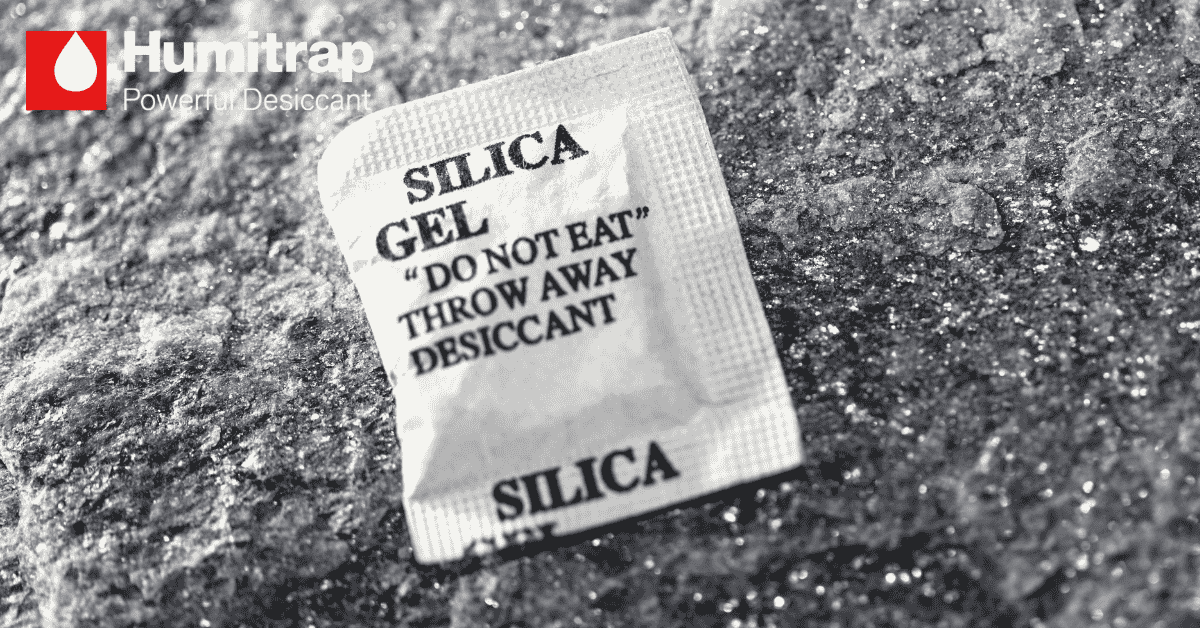
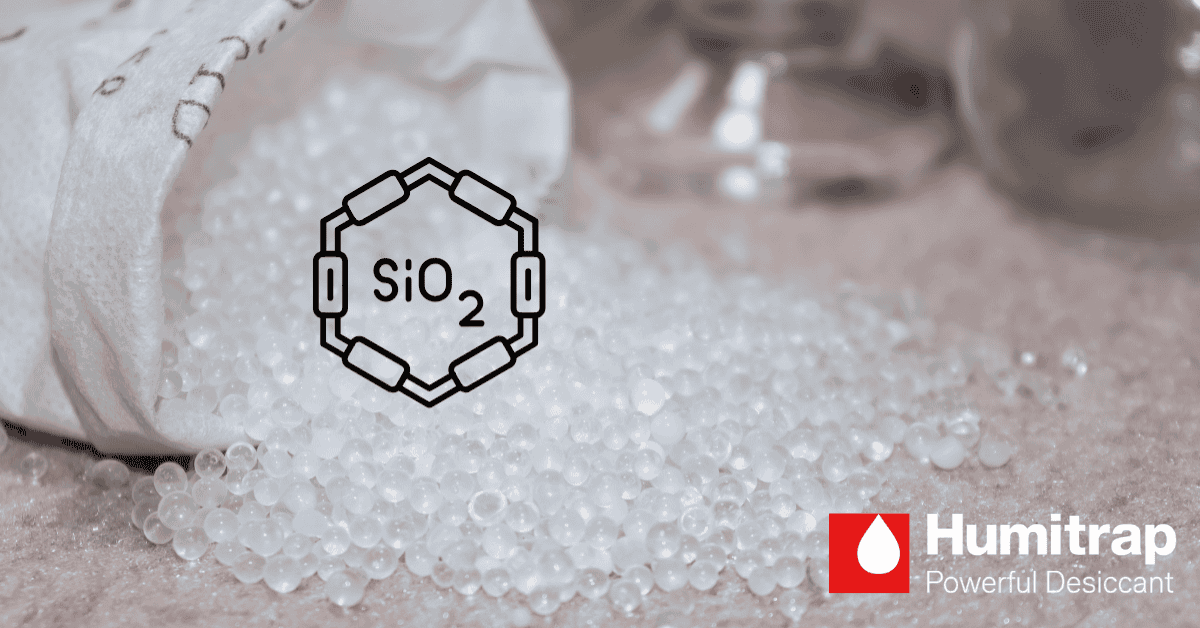
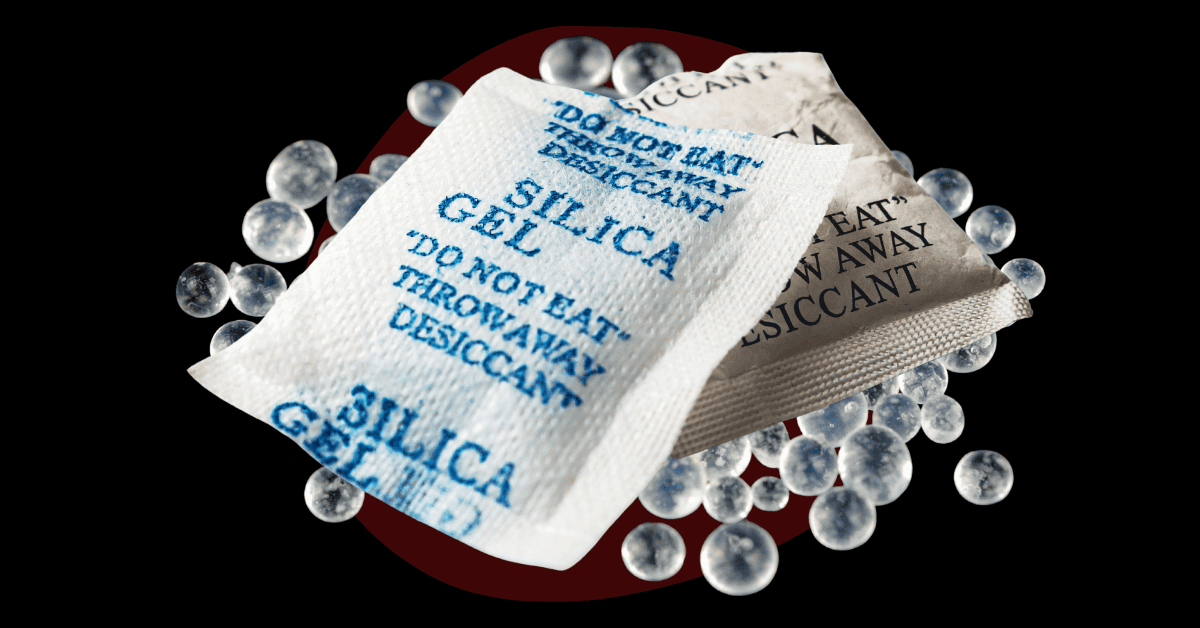
- Silica gel : porous silicon dioxide beads with moderate moisture capacity.
- Clay-based (bentonite) : economical but slower and lower capacity.
- Calcium chloride : highly hygroscopic salt that transforms water into gel.
- Magnesium chloride : similar but less efficient hygroscopic salt.
Desiccants often come packaged in sachets, pouches, or container-hanging units. The choice of material varies depending on how much moisture control is needed. whether in small packaging, electronics containers, or full shipping containers.
2. Magnesium Chloride vs Calcium Chloride: Chemical Properties

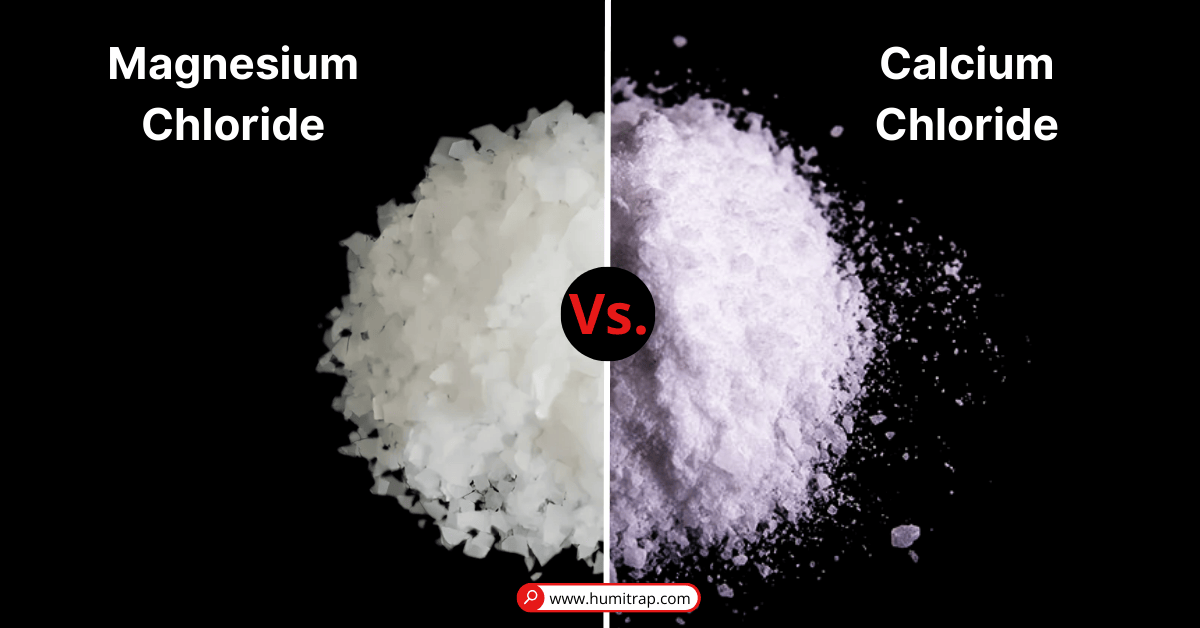
Learn more about Magnesium Chloride vs Calcium Chloride
To truly understand which performs better between magnesium chloride or calcium chloride, it helps for us to examine their chemistry beforehand:
- Hygroscopic strength in Magnesium Chloride vs Calcium Chloride, reflects how much water vapor each salt attracts; calcium chloride outperforms magnesium chloride significantly.
- End product consistency is vital turning into a gel prevents water from re-entering the environment.
- Calcium chloride’s temperature of dissolution means it won’t freeze as quickly and remains effective in cooler, high-humidity settings.
3. Why Calcium Chloride Is Better Than Magnesium Chloride
As we are debating Magnesium Chloride vs Calcium Chloride which one is more suitable as desiccant. Here are the core reasons calcium chloride is superior:
3.1 Up to Twice the Absorption Capacity
Calcium chloride can absorb over 300–500% of its weight, compared to magnesium chloride’s 150–200%. This is crucial for high-humidity or long-duration storage and transport.
3.2 Converts Water Into Thick Gel
Calcium chloride forms a stable gel that traps moisture permanently. Magnesium chloride forms brine, which can leak, corrode equipment, or allow vapor to escape. The gel also reduces spill risk.
3.3 Broad Operating Temperature Range
Calcium chloride remains effective in low or variable temperatures, whereas magnesium chloride may lose effectiveness or freeze.
3.4 Safer for Sensitive Cargo
The thick gel produced by calcium chloride is less likely to drip onto goods like electronics, textiles, or food, protecting product integrity across industries.
4. Calcium Chloride Products on the Market
Various product formats use calcium chloride:
- Loose granules: industrial use, floor drying.
- Pouches/sachets: small-scale moisture control.
- Container hanging units: large units used in shipping containers or storage rooms.
Popular products include:
- Polymer-gel desiccants: gel form retained in pouches.
- Calcium chloride plates: rigid panels with moisture-trapping structures.
- Container gel hangers: large devices with heavy absorption for freight.
Key features to look for:
- Fill weight: how much moisture it can trap.
- Leak protection: gel formation or anti-leak membrane.
- Installation ease: hangers with foam tape or hooks make a big difference.
- Certification & safety: SGS certified products ensure quality.
5. How Does a Desiccant Work?

How does a desiccant work from changing water into gel:
Now that we’ve explored the materials, let’s explain how does a desiccant work:
- Moisture adsorption/absorption, where the desiccant attracts surrounding vapor.
- Chemical transformation as salts like calcium chloride dissolve, pulling vapor in.
- Containment, phase when the water is trapped as gel, preventing re-evaporation.
- Humidity reduction, interior humidity drops to safe levels (usually <60% RH).
- Cargo protection as a result from dry conditions that will prevent mold, corrosion, mildew, and degradation.
Unlike silica or clay, calcium chloride’s thick gel reaction sets it apart in effectiveness and safety.
6. Real-World Use: Why Businesses Prefer Calcium Chloride Desiccants
When faced with option between Magnesium Chloride vs Calcium Chloride, we noticed across industries whether textiles, agriculture, electronics, furniture, calcium chloride desiccants bring several benefits:
- Reliability: huge moisture capacity ensures consistent protection.
- Proven track record: used effectively in diverse climates, including tropical origin country.
- Peace of mind: moisture-caused damage is avoided, reducing loss and claims.
- Safety: gel-based system minimizes leaks and is non-corrosive.
7. Introducing: Humitrap Premium Desiccant
Among the elite calcium chloride options is the Humitrap Premium Desiccant, which enhances traditional benefits with modern design:
- High capacity: Each unit absorbs up to 4,500 g of moisture and weighs 1,250 g.
- Leak-proof gel seal: One-way membrane and dual-layer security.
- Simple use: Hanger and foam tape installation in containers and warehouses.
- Long effective life: Lasts up to 60 days.
- Eco-friendly & certified: SGS-approved, safe for food, medicine, and garments; 3,500+ containers used monthly worldwide.
Designed for professionals aged 30–44 dealing with international logistics, Humitrap offers effective, hassle-free moisture control.
8. Comparing with Silica Bags vs Continued Benefits of Calcium Chloride
Imagine this: a shipment of premium cotton garments is headed from Indonesia to Europe. The voyage takes over 30 days, passing through tropical climates and high-humidity zones. Inside the container, the air begins to condense as temperatures fluctuate. Without protection, the moisture starts to collect: first as vapor, then as droplets, that later will start seeping into fabric fibers, forming mildew spots, and leaving a musty smell.
The exporter had used silica gel bags, thinking it would be enough. But by the time the container arrived, the silica had saturated quickly, its capacity maxed out in just days. Worse, the absorbed moisture began to re-evaporate during hotter phases of the journey. creating a damaging cycle of absorption and release. Dozens of garments were unsellable. A minor cost-saving decision became a major claim.
This is where calcium chloride-based desiccants, like Humitrap Premium, make all the difference.
Unlike silica, calcium chloride pulls in moisture aggressively — up to 300–450% of its own weight — and locks it into a gel, permanently. There’s no re-evaporation, no liquid pooling, and no second-guessing. Once water is captured, it’s captured for good.
One logistics manager for a Southeast Asian furniture exporter described how they switched to Humitrap after repeated issues using silica gel. “We used to place dozens of silica sachets inside each container,” he explained. “But the wood still arrived swollen or stained. After switching to Humitrap, we only needed a few units, and damage claims dropped by over 90%.”
This shift didn’t just reduce complaints, it will brand reputation, built stronger client trust, and saved money over the long run.
9. Choosing the Right Desiccant
If you handle shipments of electronics, textiles, furniture, foodstuffs, or pharmaceuticals, consider these questions:
- How humid is the origin and destination?
- How long will the cargo remain sealed?
- What is cargo sensitivity to moisture damage?
- Are you sensitive to eco-impact and food-grade safety?
For high-value, long-term, or global shipments with these considerations, calcium chloride desiccants, especially gel-based units, offer unmatched performance.
Final Thoughts
While both magnesium chloride and calcium chloride can absorb water, calcium chloride stands out due to its higher capacity, safer gel formation, and better temperature resilience. Whether branded or generic, adopting calcium chloride-based desiccants is a smart move for professional users.
We also hope we learnt together about Magnesium Chloride vs Calcium Chloride, and by the end of it we can conclude which one is more superior.
The Humitrap Premium Desiccant is a top-tier example, we offer SGS-certified, eco-conscious, easy-to-use moisture control that’s proven across thousands of containers.